The Islamic Revolutionary Guard Corps fired multiple ballistic missiles at U.S. military forces across the Middle East on Tuesday evening, but all projectiles were intercepted by air defense systems, prompting an immediate coordinated response from American and Saudi fighter aircraft targeting Iranian proxy positions in Iraq.
U.S. Central Command confirmed the attack and the subsequent interception in separate statements detailing the incident’s full scope. The ballistic missile launch, occurring at 5:45 PM Eastern, represented a direct military strike originating from Iranian territory against American forces stationed throughout the region.
Following the successful interception of all incoming missiles, U.S. and Saudi fighter aircraft conducted precision strikes across eastern Iraq targeting Islamic Revolutionary Guard Corps-directed logistics hubs and weapons storage facilities. The targeted sites were linked to more than 30 drone attacks on American personnel and installations during the previous 72 hours, according to military statements.
What Happened
The sequence of events unfolded over several hours. The IRGC initiated the attack with ballistic missiles launched from Iranian soil. American air defense systems successfully intercepted the entire salvo. Within hours, coordinated U.S. and Saudi military aircraft conducted retaliatory strikes against infrastructure used to stage attacks on American forces.
CENTCOM’s operational updates emphasized the readiness of American forces throughout the region. Statements indicated that U.S. personnel remained unharmed and that military operations continued without interruption. The Saudi military’s participation marked a significant escalation in regional coordination against Iranian-aligned militias operating throughout Iraq and Syria.
The Reaction
The attack by Iran-backed forces has intensified over recent months. Between February and April 2026, Iranian-aligned militias operating in Iraq conducted more than 600 attempted attacks against American military facilities and personnel. These operations have been consistently coordinated by the Islamic Revolutionary Guard Corps rather than occurring as isolated incidents.
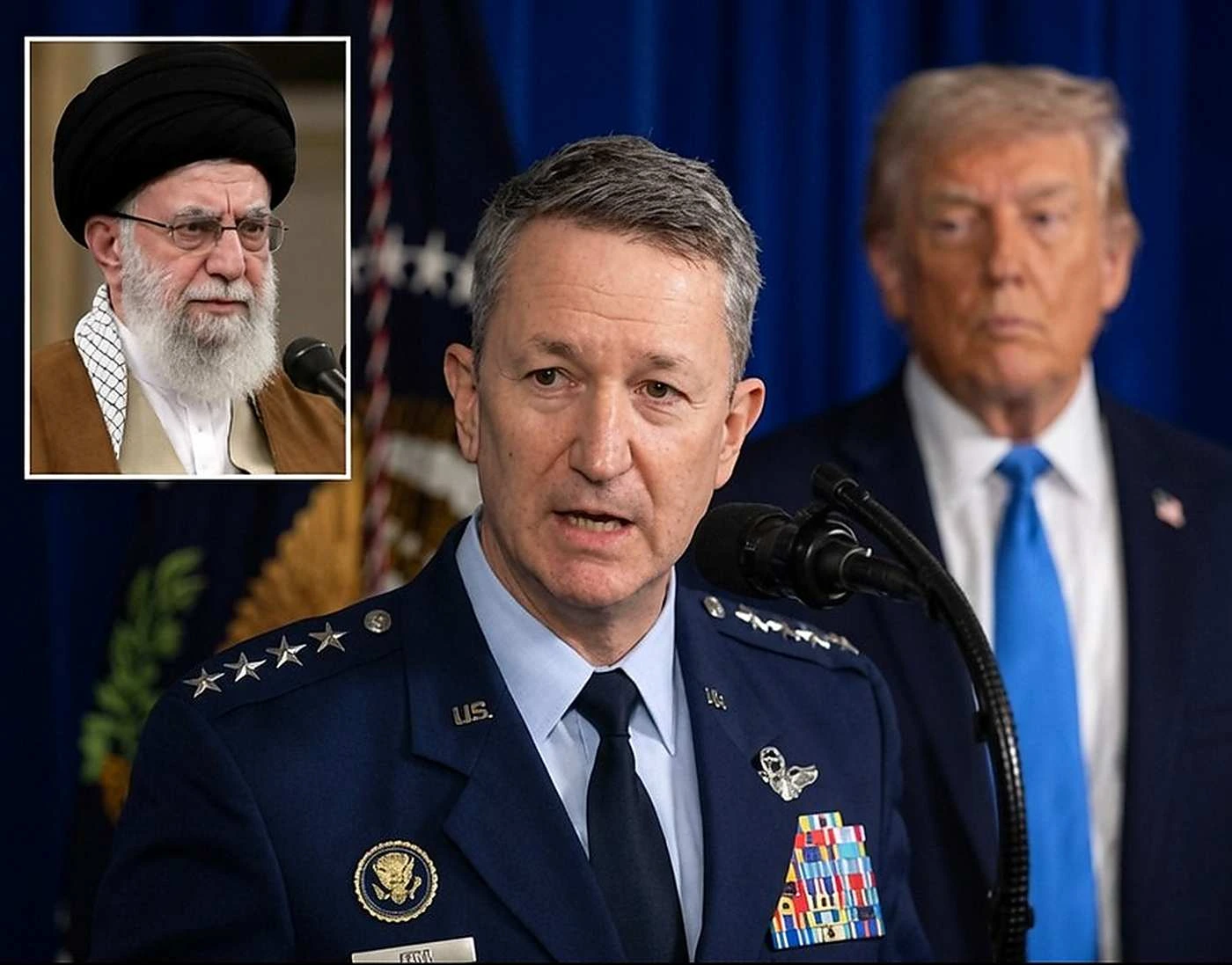
Saudi Arabia’s direct military involvement signaled a shift in regional dynamics. The kingdom has faced repeated attacks on its energy infrastructure by Iranian proxies and has now determined that direct military action alongside the United States was necessary. Saudi fighter aircraft flying alongside American planes represented the operational manifestation of a functioning regional coalition against Iranian-directed aggression.
Military officials characterized the response as swift and proportionate. The timing of the retaliatory strikes—occurring the same evening as the initial ballistic missile launch—demonstrated the coordination and readiness maintained by American and allied forces throughout the region.
What This Means
The incident reflects a broader pattern of escalating tensions in the Middle East. Iran continues to direct proxy forces across Iraq and Syria while simultaneously engaging in diplomatic discussions regarding sanctions relief. The Tuesday attack occurred as negotiations proceeded through multiple channels, suggesting competing strategic objectives within Iranian leadership.
The demonstration of successful air defense capabilities and rapid response mechanisms provides operational clarity regarding American and Saudi military posture in the region. The willingness to execute precision strikes against infrastructure directly supporting attacks on American forces establishes the operational parameters under which future incidents may unfold.
Regional observers noted that the incident underscores the complexity of managing simultaneous military operations and diplomatic engagement. American forces continue to maintain presence across multiple countries, manage complex intelligence operations, and enforce designated restricted airspace while managing asymmetric threats from distributed networks of militia groups. The Tuesday sequence—missile interception followed by coordinated retaliatory strikes—represents one iteration of this ongoing operational reality in the Middle East.



