Viral social media claims that Korea has authorized a military strike against another nation have spread across the internet in recent days, but official government channels and reputable news organizations have confirmed the reports are false, with no such military order issued.
The unverified allegations gained traction online through social media posts and certain websites, often without citing credible sources or official statements. The rapid spread highlights how sensational claims about regional military action can generate confusion and concern across digital platforms.
What Happened
Claims circulating online suggested that the Korean government had authorized a military strike against another nation. The allegations spread widely through social media, generating widespread discussion and, in some instances, public concern about potential regional conflict escalation.
South Korean officials and major international news organizations have since verified that no such military order was issued. Government representatives emphasized that the nation remains focused on monitoring international developments, maintaining regional stability, and prioritizing citizen safety.
The Reaction
The speed at which false military claims spread online underscores vulnerabilities in the current information landscape. Several factors contributed to the viral nature of these reports: social media algorithms frequently amplify sensational content regardless of accuracy, emotionally charged news about potential conflict triggers strong engagement, and some websites use attention-grabbing headlines designed to drive traffic without supporting evidence.
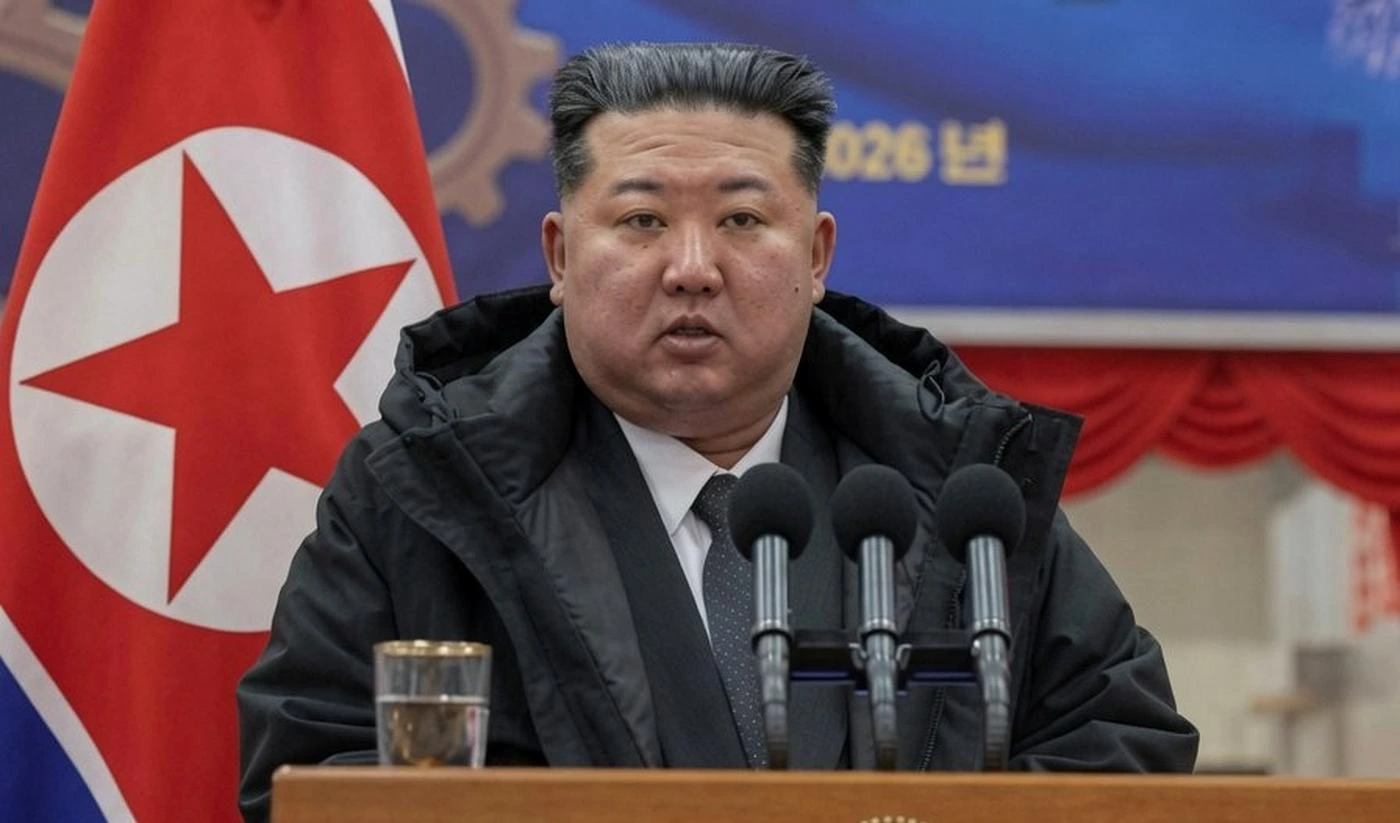
South Korean authorities have consistently prioritized peaceful conflict resolution and regional security. Government spokespeople clarified that the focus remains on diplomacy, international cooperation, and public safety rather than aggressive military action. Officials have stressed the importance of monitoring international developments, maintaining public calm through accurate information, and engaging in diplomatic discussions with allies and neighboring countries.
When faced with alarming headlines, individuals benefit from consulting multiple reliable sources before reacting. Trusted channels for international news include official government statements, reputable global news agencies, and expert analyses from recognized political and military scholars. Responsible consumption of news—avoiding the amplification of unverified claims—helps reduce public confusion and unnecessary anxiety.
What This Means
The incident illustrates broader lessons about navigating today’s fast-moving information environment. Critical thinking remains essential when evaluating headlines; not every sensational claim represents verified fact. Established media organizations follow rigorous verification standards, and their reporting typically provides context that social media posts lack.
Regional tensions in East Asia continue to receive international attention, but it is critical to distinguish actual military activity from rumors or misinformation. Diplomatic channels remain actively engaged in addressing regional concerns, and any military actions would be subject to strict protocols and public announcements. Public speculation should not replace factual reporting when assessing government policies or intentions.
As news cycles accelerate and information spreads faster than ever, informed consumers of media can protect themselves by consulting credible sources, questioning sensational headlines, and recognizing the difference between verified facts and viral rumors. This approach enables individuals to remain informed about genuine regional developments while avoiding the panic that accompanies unsubstantiated claims.



