Military operations, economic sanctions and maritime tensions are mounting between the United States and Iran over the Strait of Hormuz, a waterway critical to global energy transport, as diplomatic efforts remain stalled over nuclear and security issues.
The Strait of Hormuz has emerged as the central flashpoint in the escalating confrontation, with recent military incidents and shipping disruptions reshaping dynamics in the Persian Gulf. Average daily commercial traffic through the vital shipping lane has declined to its lowest level since May, according to reports, as attacks near vessels have deterred cargo movement through the narrow waterway.
What Happened
The waterway serves as a major artery for global energy shipments, and control over maritime passage has become a leverage point in the broader U.S.-Iran conflict. Washington has pushed for reliable freedom of navigation through the strait, while Tehran has used its geographic position to exert influence over commercial traffic amid months of rising tensions.
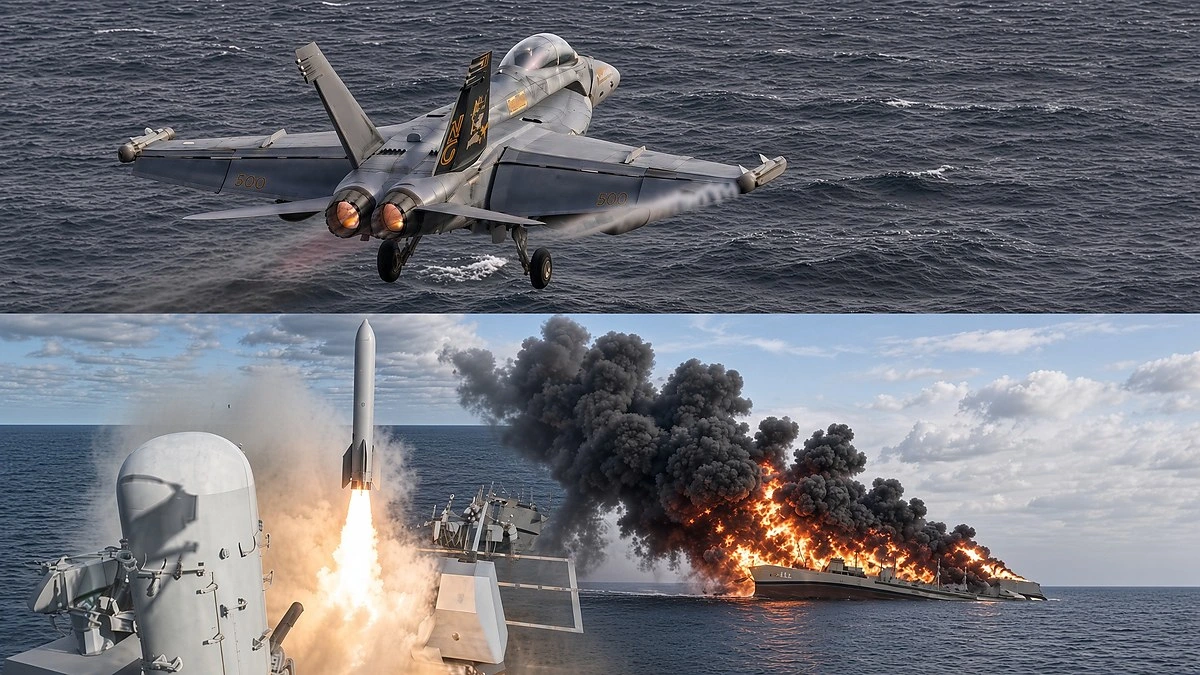
Military clashes have intensified in recent weeks, with U.S. forces conducting strikes on Iranian targets and Iranian forces launching counterattacks. Incidents involving both military and commercial vessels near the strait have heightened concerns about shipping safety and the potential for wider regional disruption.
Iran’s crude oil exports have been severely curtailed, with the country experiencing roughly seven weeks without meaningful shipments through Hormuz. The disruption reflects the cumulative effect of U.S. military operations and economic pressure on Tehran’s ability to move petroleum to international markets.
The Reaction
Diplomatic channels between Washington and Tehran remain open, but negotiations have produced no comprehensive settlement. The Trump administration has intensified economic pressure through sanctions and a naval presence in the region, targeting Iran’s oil exports and access to foreign currency. Iranian officials have publicly acknowledged mounting economic difficulties, including foreign currency shortages, declining imports and rising domestic prices.
U.S. Energy Secretary Chris Wright stated that Washington may not reach a new nuclear agreement with Iran under current circumstances, signaling that broader negotiations have stalled. Discussions between Iran and Oman about managing shipping through the strait have continued, with mediators exploring arrangements to restore more predictable maritime traffic, but these talks have not yet produced tangible results.
The uncertainty surrounding the Strait of Hormuz has extended beyond bilateral concerns, contributing to volatility in global energy markets as traders and shipping companies adjust to reduced capacity through the waterway and unpredictable transit conditions.
What This Means
The standoff reflects competing priorities that have proven difficult to reconcile through existing diplomatic channels. The central disputes—Iran’s nuclear program, sanctions relief, maritime security and shipping freedom—remain unresolved as both sides maintain military readiness and economic pressure.
Any durable settlement would require difficult negotiations on security restrictions, nuclear oversight, sanctions architecture and navigation rights through the strait. As military tensions and economic measures continue alongside diplomatic contacts, the path toward a breakthrough remains unclear, with global energy markets and international shipping facing sustained uncertainty about the region’s stability.



