President Trump is expected to intensify his campaign travel throughout October, with reports suggesting near-daily rally appearances in competitive states and districts as Republicans prepare for the November midterm elections.
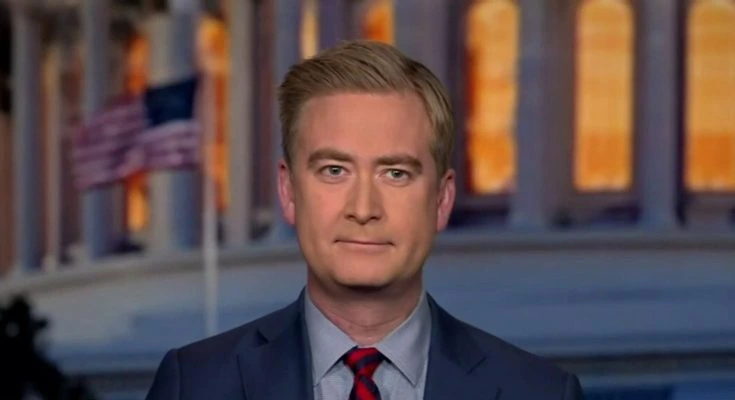
White House correspondent Peter Doocy outlined the extent of the president’s planned involvement while discussing the midterms and their significance for the Republican Party. The campaign schedule reflects an unusually hands-on approach from a sitting president during a midterm cycle.
What Happened
Doocy said Trump would be largely absent from Washington for much of October due to campaign commitments. “It’s a big advantage, and a big part of President Trump’s pitch to Republicans right now is just to pretend like he is on the ballot, and we are hearing some whispers of a ton of Trump travel in October, possibly as much as a Trump rally a day in the most competitive states and districts,” Doocy said.
The frequency of rallies represents an unusual level of involvement from a president during midterms, when the sitting party traditionally faces electoral headwinds. “And that is something that you don’t typically see from a president in a set of midterms that are historically very hard for the president’s party,” Doocy added.
The Reaction
Doocy clarified that Trump’s presence on the campaign trail carries direct political consequences beyond his own name on a ballot. “But he is on the ballot in that if Democrats win control of the House or the Senate, it’s just going to be constant investigations,” he said, noting that congressional control would shape the legislative environment for the remainder of Trump’s presidency.
The strategy underscores Republican confidence heading into the midterms, buoyed by historic fundraising numbers. The Senate Leadership Fund and its affiliated groups have raised more than $500 million, marking a record for Senate-focused political efforts. The organization alone has committed more than $350 million to support Republican Senate candidates across multiple battlegrounds.
Targeted races include Alaska, Iowa, Maine, Michigan, and North Carolina, where Republicans aim not only to protect their Senate majority but potentially expand it. “Thanks to Leader John Thune and our generous investors, Senate Leadership Fund and its affiliated groups have raised more resources than any other Senate effort in history,” SLF Executive Director Alex Latcham said.
What This Means
The financial advantage reflects Republicans’ determination to overcome the historical pattern in which the president’s party loses seats during midterm elections. Meanwhile, Democrats face their own funding challenges, with the Democratic National Committee using its headquarters building as collateral for a $15 million loan over the summer.
Republicans are centering their campaign message on issues including immigration, crime, and inflation, while attempting to tie Democratic candidates to opposition toward Trump administration priorities. The scale of Trump’s planned campaign schedule suggests the party views his direct engagement as essential to sustaining Republican control of Congress and preventing investigations that would accompany Democratic legislative power.



