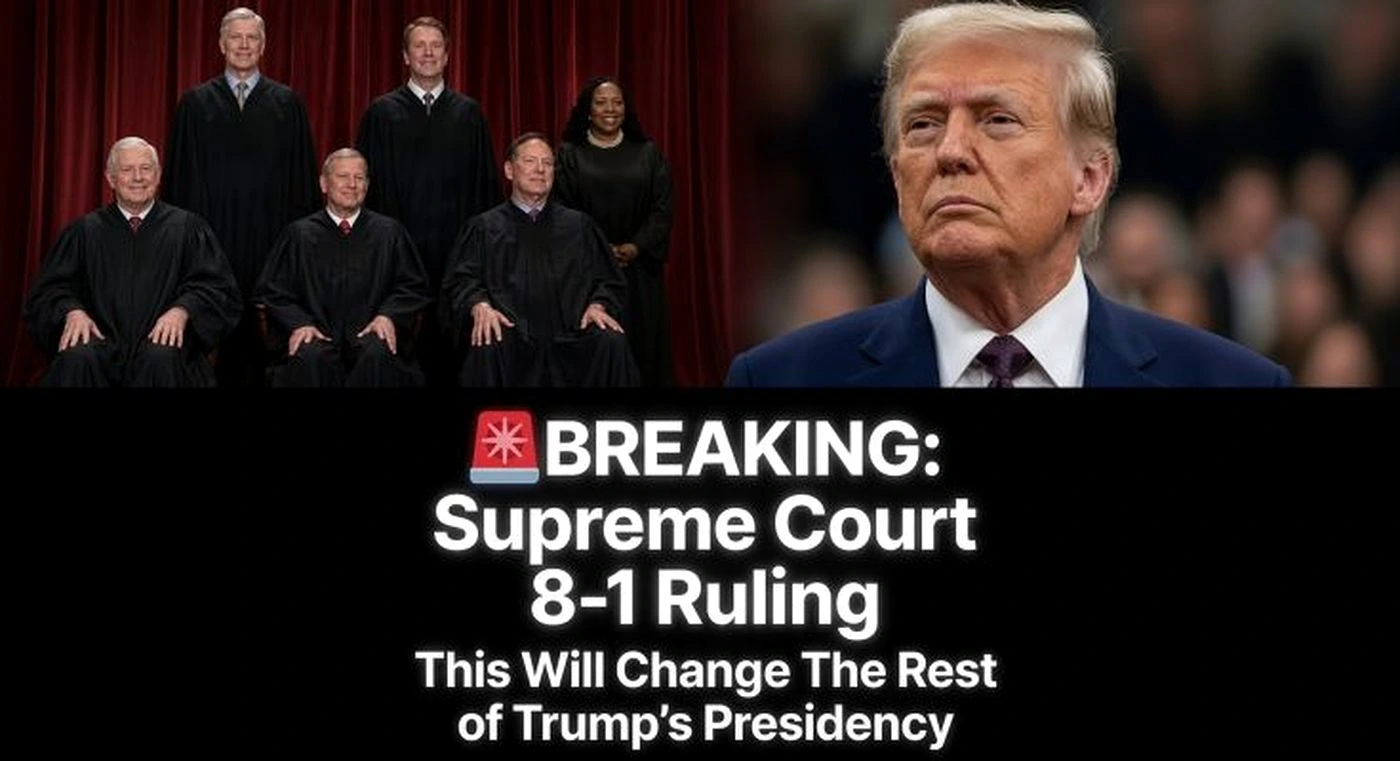
The Supreme Court ruled 8-1 on Tuesday that federal judges cannot create new private legal claims under the 1789 Alien Tort Statute and that the 1991 Torture Victim Protection Act does not permit secondary liability for aiding and abetting, blocking a lawsuit from Falun Gong practitioners against Cisco Systems over its role in surveillance infrastructure used by China.
The decision represents a significant victory for corporate defendants and the Trump administration, which had urged the court to curtail transnational human rights litigation in American courts. Justice Amy Coney Barrett, writing for the six-member conservative majority, emphasized that Congress—not unelected judges—holds the power to create new causes of action under international law.
What Happened
The case centered on a lawsuit filed by practitioners of Falun Gong, a religious movement banned by the Chinese government, who alleged that Cisco Systems and its executives knowingly provided surveillance and networking technology, including components of the “Golden Shield” project, that facilitated detention and torture by Chinese authorities. The San Jose-based tech company had moved to dismiss the claims.
A federal district court initially sided with Cisco, but the Ninth Circuit Court of Appeals reversed course, concluding that both the Alien Tort Statute and the Torture Victim Protection Act permitted the plaintiffs to pursue aiding-and-abetting liability against domestic companies that knowingly assist in violating international law. The Supreme Court accepted the case to resolve the question.
Barrett reasoned that the Alien Tort Statute functions solely as a jurisdictional grant to federal courts, not as a source of substantive rights. “Today, we close the door that Sosa cracked and hold that courts may not create new causes of action for violations of international norms,” she wrote, referring to the court’s 2004 precedent in Sosa v. Alvarez-Machain. On the Torture Victim Protection Act, the majority held that its text does not establish secondary liability, meaning that only direct perpetrators of torture—not those who aid them—can be held responsible under that statute.
Chief Justice John Roberts and Justices Clarence Thomas, Samuel Alito, Neil Gorsuch, and Brett Kavanaugh joined Barrett’s opinion. Justice Ketanji Brown Jackson concurred in part, agreeing that the Alien Tort Statute needed narrowing but expressing concern that the majority had gone too far in rejecting any secondary liability under the Torture Victim Protection Act.
The Reaction
The Trump administration and the Solicitor General’s office had encouraged the court to restrict transnational human rights litigation, arguing that expansive tort claims against American technology companies could disrupt foreign policy, invite reciprocal lawsuits against U.S. interests abroad, and discourage American innovation in global markets. Tuesday’s ruling aligned with those concerns.
Business groups and defense attorneys praised the decision as necessary relief from decades of costly class-action exposure under the Alien Tort Statute. Corporate defendants facing such claims have historically incurred massive litigation expenses to defend themselves against allegations tied to the foreign policy decisions of other governments.
The court’s three liberal justices—Sonia Sotomayor, Elena Kagan, and Jackson—voiced sharp dissent. Sotomayor argued that the plain text of the Torture Victim Protection Act naturally encompasses individuals who intentionally aid and abet torture. “Because the plain text of this statute includes individuals who aid and abet the victim’s torture, I would affirm the Ninth Circuit’s judgment on this score as well,” she wrote. Jackson raised similar concerns about the majority’s construction of the statute’s language.
What This Means
The ruling marks the culmination of a decades-long conservative effort to restrict human rights litigation in U.S. courts. By requiring Congress to legislate new private rights of action rather than allowing judges to infer them from international law principles, the court has effectively closed a channel for victims of foreign human rights abuses to seek damages from American companies with knowledge of their complicity.
The decision establishes that foreign policy remedies must originate through the legislative process, not through judicial interpretation. Technology firms operating across complex international markets now face reduced legal exposure under federal human rights statutes, though state laws and other federal frameworks may still apply to some corporate conduct. Advocates for international human rights law view the ruling as a setback for accountability mechanisms available to victims of state-sponsored abuse.



