The House of Representatives voted 373-15 on Tuesday to extend the federal Terrorism Risk Insurance Program through 2034, delivering overwhelming bipartisan backing for a system that protects commercial insurers and property owners from catastrophic losses tied to certified terrorist attacks.
The legislation, H.R. 7128, maintains a federal backstop mechanism created after the September 11, 2001 attacks that has never paid out a claim in its 25-year history. The measure now moves to the Senate, where a companion bill has already been introduced.
What Happened
Rep. Mike Flood, R-Neb., and chairman of the House Financial Services Subcommittee on Housing and Insurance, sponsored the reauthorization bill, which extends the program seven years beyond its current December 2027 expiration. The vote reflects rare consensus in a divided Congress on a financial stability measure affecting real estate, construction, and major commercial venues.
The bill introduces three substantive changes to the program’s framework. It raises the certification threshold for triggering federal involvement from $5 million to $10 million in insured losses starting in 2029. It grants the Treasury Department explicit statutory authority to publish its methodology for determining whether an event qualifies as terrorism under the program. These adjustments aim to tighten taxpayer protections while maintaining market stability.
The Reaction
Rep. French Hill, R-Ark., chairman of the House Financial Services Committee, described the program’s purpose during floor debate: “The law states that TRIA is designed to provide for a transparent system of shared public and private compensation for insured losses resulting from acts of terrorism in order to protect consumers,” Hill said. “The goal here: to give policyholders access to the financial protection they need and the confidence they need to build skyscrapers, sports venues, and malls, and employ workers that drive our economy.”
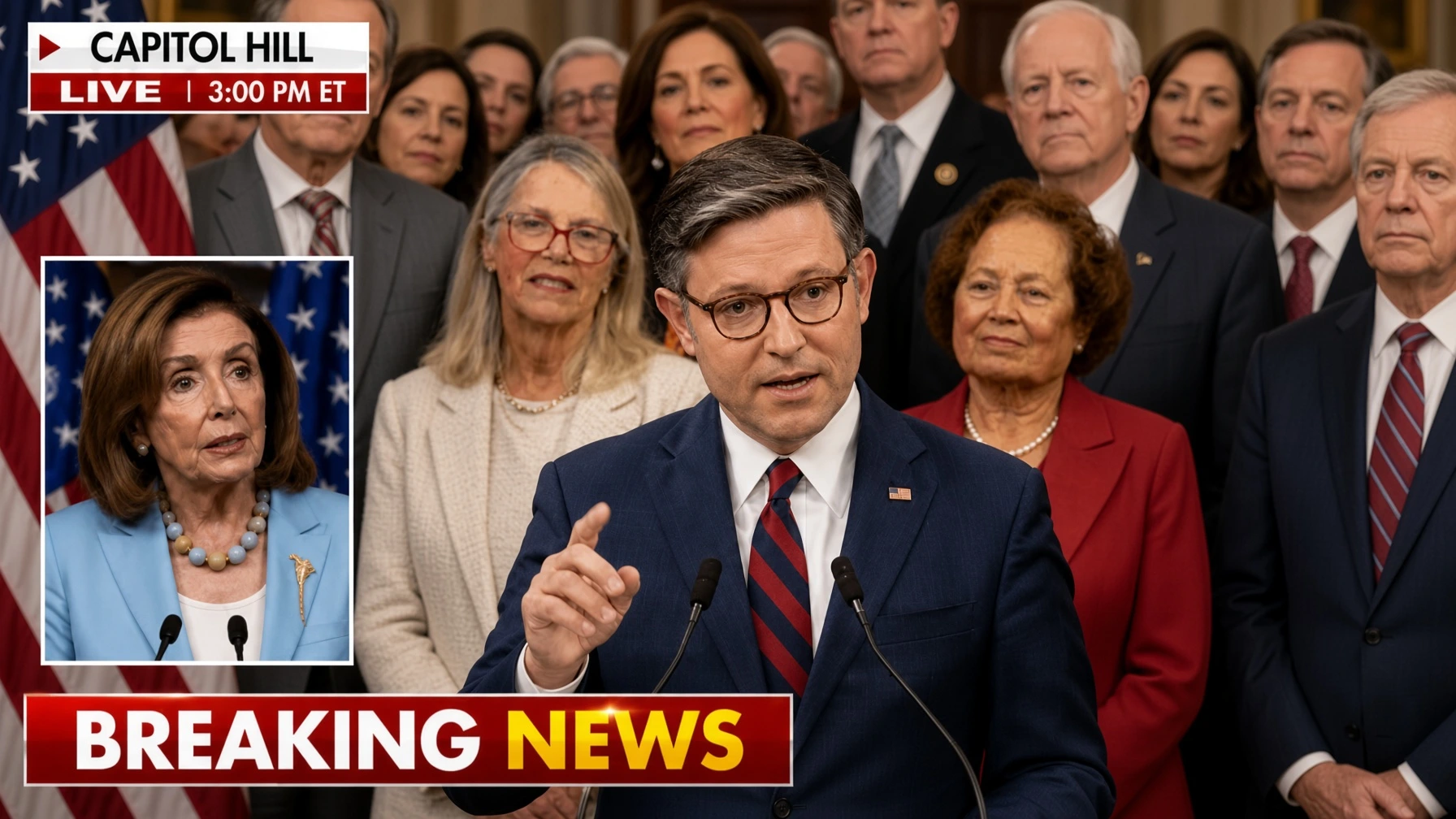
Flood emphasized both continuity and reform. “We are so fortunate that we have never seen a TRIA claim in the program’s entire history, and I hope that we never, ever see one,” he said. “However, if this program is going to continue to exist with a public backstop, we should ensure we update its charter to protect taxpayers in the event of future claims, and we should work to ensure the certification process is transparent.”
The U.S. Chamber of Commerce and the American Bankers Association have publicly endorsed the measure, arguing that predictable terrorism coverage is essential for lending on commercial real estate projects, construction activity, and operation of large venues and infrastructure that underpin the national economy. Business groups warn that without reauthorization, insurers could restrict terrorism coverage in major metropolitan areas and high-profile sites, raising costs or limiting availability for property owners and developers.
What This Means
The program operates as a public-private partnership in which private insurers retain financial responsibility for initial losses, with the federal government stepping in only when catastrophic events exceed defined thresholds. No federal payouts have ever been triggered, a fact cited by program defenders as evidence the system deters market disruptions through its mere existence rather than functioning as an active claims mechanism.
Raising the insured-loss certification threshold to $10 million represents a measured adjustment that addresses fiscal concerns. The higher bar means smaller events are less likely to trigger government participation, reducing potential taxpayer exposure while preserving federal backing for truly catastrophic scenarios that could destabilize the commercial insurance market.
The reauthorization through 2034 provides two decades of certainty for the construction, property management, retail, and hospitality sectors that depend on terrorism coverage availability. The Senate’s handling of this measure will determine whether this bipartisan consensus translates into law before the program’s current authorization expires at year’s end.



