A federal judge on Friday barred outside groups and individuals from submitting friend-of-the-court briefs in the criminal case against former FBI Director James Comey, who faces charges related to a 2025 social media post the government alleges constituted a threat to President Donald Trump.
U.S. District Judge Louise W. Flanagan issued the order after determining that both the prosecution and Comey’s defense team are adequately represented by competent counsel. The decision marks an unusually restrictive approach to public participation in what has become one of the most closely watched criminal prosecutions involving a former top federal law enforcement official.
Friend-of-the-court briefs, formally known as amicus curiae filings, allow outside parties with relevant expertise or interest in a case to submit legal arguments and policy perspectives for judicial consideration, even though they are not direct participants in the litigation. While such filings are routine in federal appeals courts and before the Supreme Court, they remain relatively uncommon in district court proceedings.
What Happened
Flanagan’s written order stated simply that “Defendant and the government are ably represented by competent counsel,” effectively foreclosing any avenue for external parties to weigh in on the case’s development. The ruling applies to all stages of the district court proceedings and signals the judge’s intent to maintain tight control over the litigation’s scope.
The decision contrasts sharply with Comey’s earlier 2025 prosecution on separate charges that he lied to Congress about leaks to media outlets. In that case, dozens of outside organizations—including former Justice Department officials, law professors, retired federal judges, and sitting and former members of Congress—sought to file amicus briefs. That case ultimately collapsed after just two months when a federal judge ruled the prosecutor had been unlawfully appointed, resulting in dismissal of all charges.
The Reaction
Legal scholars characterize Flanagan’s ruling as unusual, though not without precedent in federal practice. Scott Holmes, a law professor at North Carolina Central University, explained that district court judges operate under different constraints than appellate panels. “I can imagine that the court is worried about the floodgates opening, and everybody who wants to weigh in on this does,” Holmes said, noting that trial courts must balance competing demands of docket management and case efficiency.
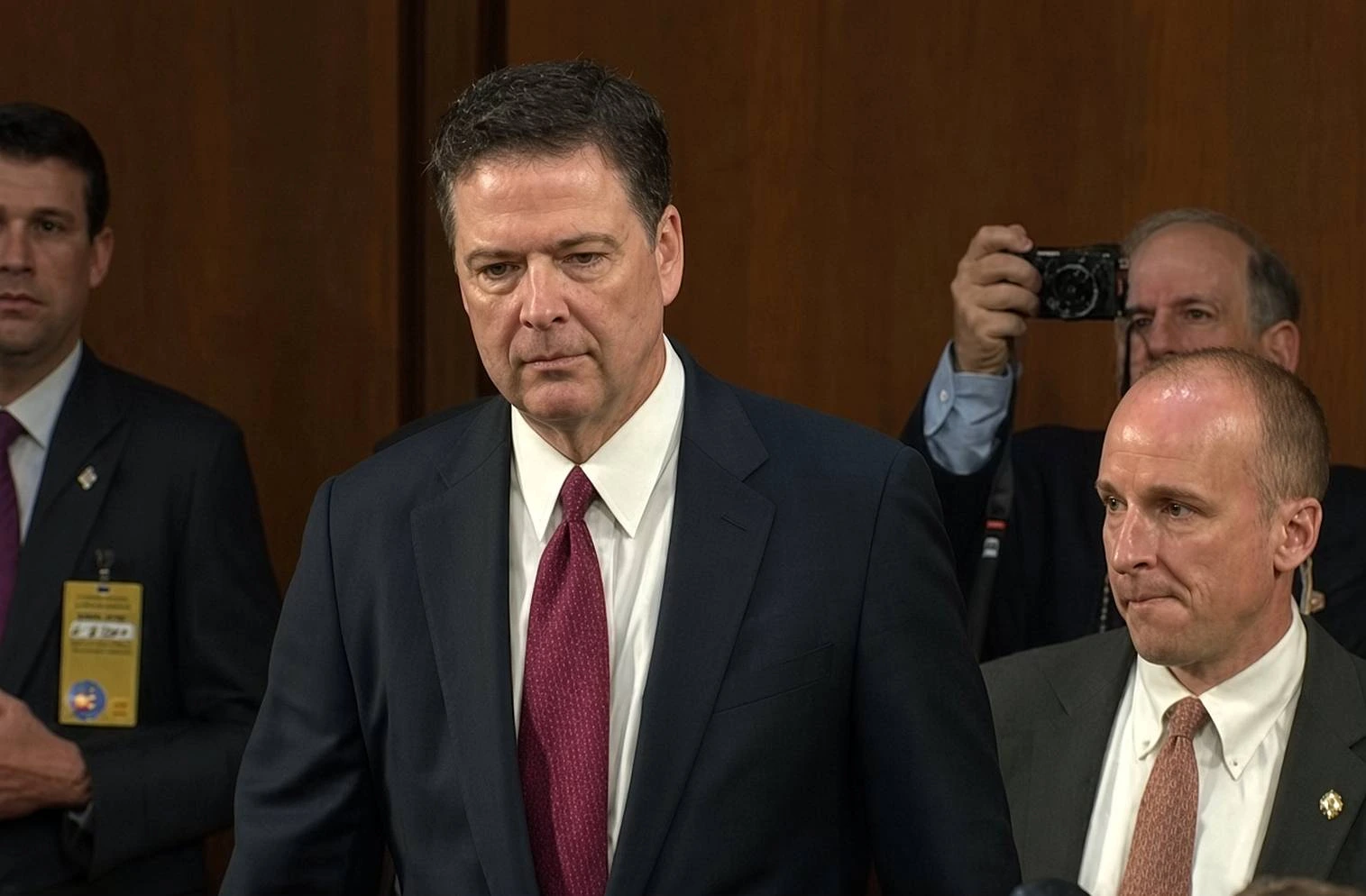
Holmes acknowledged, however, that amicus briefs can supply valuable legal research and analysis, particularly when cases involve complex constitutional or statutory questions. “It would be nice if the court would be willing to read really educated folks who have a real interest in the court getting it right and offering a lot of research,” he said.
Carl Tobias, a law professor at the University of Richmond, similarly described the order as uncommon. He pointed out that judges frequently find such briefs useful because they typically originate from individuals possessing specialized expertise or substantial professional experience related to the legal questions at stake. “They would be people who would have expertise about the issues that are raised and probably feel strongly about them,” Tobias said.
What This Means
Flanagan’s order does not address the merits of the charges against Comey, who has denied all allegations. Instead, it fundamentally reshapes how the case will proceed by restricting the information the judge will receive to arguments presented solely by prosecutors and the defense. The ruling ensures that the court’s consideration will draw only from the litigation positions of the two parties directly involved.
The underlying charges center on allegations that Comey’s 2025 social media post constituted a threat directed at Trump. The case has drawn significant public attention, with legal observers and former government officials monitoring its progression closely. By blocking amicus participation at this early stage, the judge has signaled her preference for a narrower, more streamlined litigation process focused exclusively on the claims and defenses raised by the government and Comey’s legal team.
The order represents the first significant procedural decision in what promises to be a lengthy criminal prosecution. As the case moves through discovery and toward potential trial, Flanagan’s framework will govern which voices the court hears and which perspectives the judge considers as she evaluates the government’s allegations and Comey’s defense.