A federal appeals court ruled Monday that the Pentagon’s restrictive transgender military policy violates constitutional protections, blocking the administration from discharging current service members while leaving recruitment restrictions in place as litigation continues.
The three-judge panel of the U.S. Court of Appeals for the D.C. Circuit issued a 2-1 decision in Talbott v. United States, finding that Executive Order 14183 and the Pentagon’s implementing guidelines—referred to as the “Hegseth Policy”—go beyond any legitimate military readiness rationale. The majority opinion stated that the policy appeared designed to target a politically disfavored group rather than advance defense objectives.
The case centers on restrictions issued by the Trump administration in January 2025 that largely disqualify individuals with a diagnosis of gender dysphoria or who identify as transgender from military service, except through rare waivers. Active-duty service members and prospective recruits challenged the rules as arbitrary and discriminatory.
What Happened
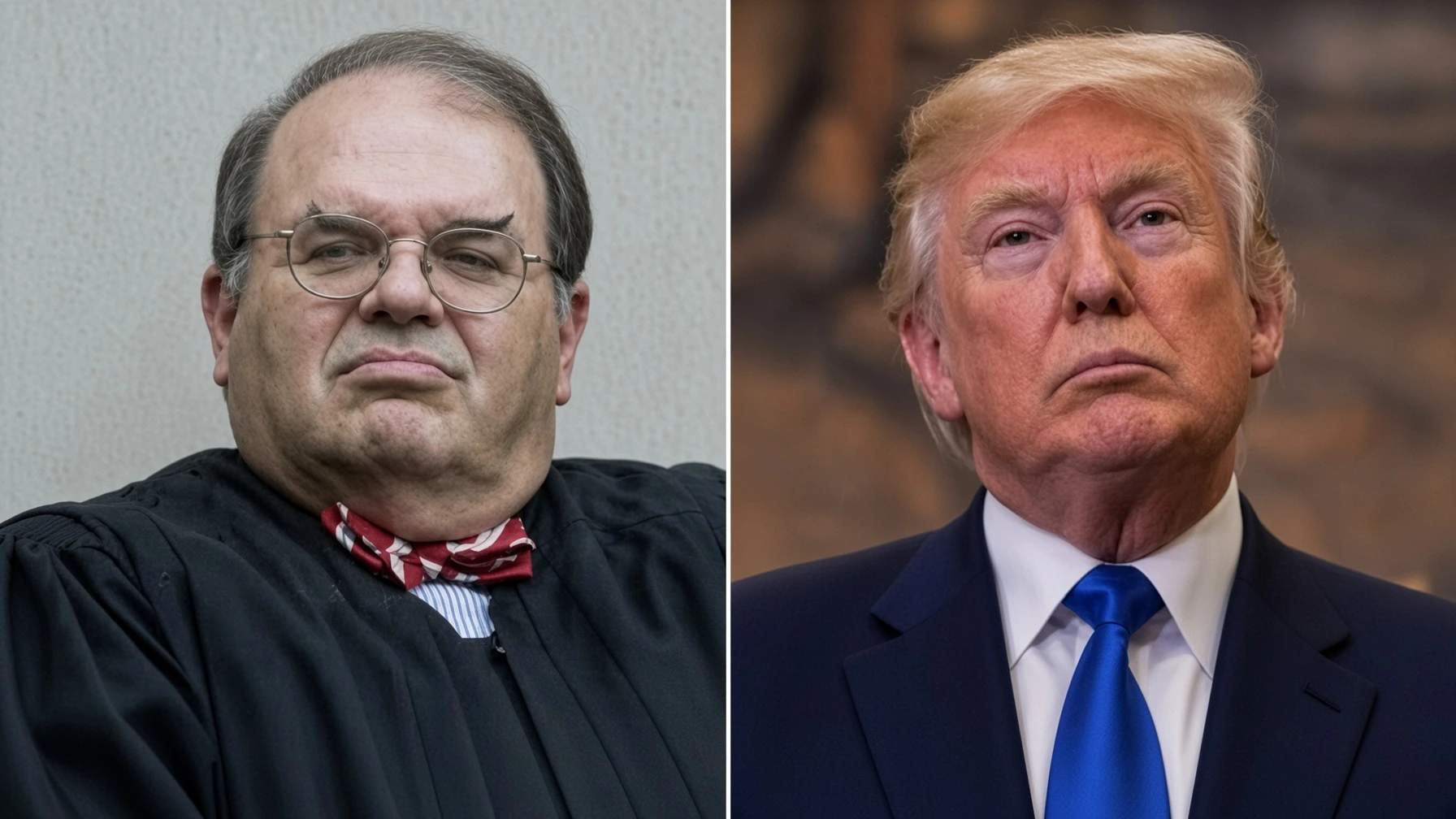
Circuit Judge Robert L. Wilkins, writing for the majority, found that the policy violates Fifth Amendment equal protection guarantees. “The record shows that the purpose of the Hegseth Policy is to target applicants and servicemembers who express what the Administration believes is a ‘false gender identity,’ and the Policy goes far beyond disqualifying persons currently or recently suffering from gender dysphoria,” the decision states.
The ruling creates an immediate shield for existing transgender troops, preventing their discharge, though it permits the administration to maintain existing recruitment restrictions pending further legal proceedings. The majority emphasized that the administration provided no rational, evidence-based justification for sweeping restrictions on those already serving in uniform.
The court noted that transgender troops had served openly and successfully under previous policies without demonstrable harm to unit cohesion, military readiness, or deployability. The judges found the policy’s rapid implementation and aggressive focus on discharges suggested political motivation rather than calculated military necessity. By characterizing transgender identity as “false,” the court concluded, the administration effectively enacted exclusionary policy without demonstrating how removal of these service members would improve armed forces capability.
Secretary of War Pete Hegseth, a vocal defender of the restrictions, contended that the policy maintains necessary medical standards and deployment readiness. The Department of War argued that military service is not a constitutional right but a privilege, and that the government retains authority to establish rigorous standards comparable to exclusions for individuals with chronic medical conditions.
The Reaction
The dissenting judge warned that the majority had overstepped judicial boundaries by questioning military expertise during heightened global tensions. The dissent argued that courts must grant substantial deference to presidential and Pentagon judgment on defense matters. From this perspective, concerns about medical costs, deployment limitations, and unit integration of transgender troops constitute legitimate policy considerations, even if politically contentious.
Advocacy organizations including GLAD Law and the National Center for Lesbian Rights praised the ruling as recognition of discriminatory policy. These groups indicated they would continue pursuing class-action certification to extend protections to all transgender personnel and eventually overturn recruitment restrictions.
Secretary Hegseth signaled on social media that the administration would pursue further legal remedies, with an appeal to the Supreme Court appearing likely. The administration has not ruled out seeking full en banc review by the entire D.C. Circuit before moving to the nation’s highest court.
What This Means
The ruling’s immediate practical impact is confined. Current transgender service members gain protection from discharge, but the decision to maintain recruitment restrictions means military doors remain largely closed to new transgender applicants for now. Thousands already serving have secured temporary protection as the broader legal battle continues.
The case appears destined for Supreme Court review, making it one of the defining military policy disputes of the era. The competing judicial philosophies evident in the split panel—one emphasizing constitutional protections against discrimination, the other prioritizing executive deference on defense matters—may well require the highest court’s resolution. The outcome will shape military personnel policy for years and signal how courts weigh individual constitutional claims against governmental assertions of national security necessity.



