A federal judge in Virginia has blocked the Trump administration from moving forward with an $1.8 billion compensation fund intended to pay individuals the administration contends were wrongfully targeted by federal agencies.
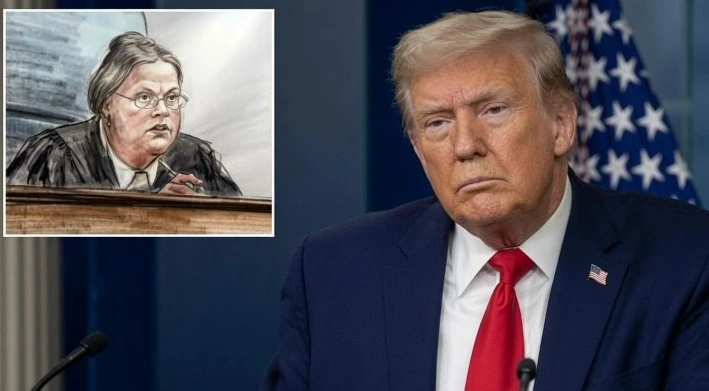
U.S. District Judge Leonie Brinkema issued the preliminary halt on Tuesday, barring the administration from taking steps to create or operate what officials have called the Anti-Weaponization Fund. The order freezes all related activities, including money transfers, claim reviews, and distributions.
What Happened
Judge Brinkema scheduled a hearing for June 12 to consider whether to extend the temporary block into a longer-term stay. The fund emerged as part of a broader settlement arrangement tied to President Trump withdrawing a $10 billion lawsuit against the Internal Revenue Service regarding the 2019 and 2020 leak of his tax returns.
The Justice Department announced the initiative Monday, designating $1.8 billion in compensation for individuals it claims were the target of federal overreach. The fund’s eligibility criteria and legal foundation have drawn immediate legal challenges from a coalition of government entities and civil rights groups who argue certain categories of people should be excluded from receiving payouts.
The Reaction
House Democrats moved quickly to oppose the fund. Last week, the House Rules Committee rejected an amendment introduced by Rep. Jim McGovern of Massachusetts that would have barred anyone charged or convicted in connection with the January 6 Capitol riot from receiving compensation. McGovern argued in the committee hearing that attorneys representing some Capitol riot defendants have already signaled they may seek payments on their behalf.
“This secret slush fund should be an outrage to every American, no matter your politics,” McGovern said during the debate. The Rules Committee amendment would also have required the attorney general to publicly disclose all payments made through the fund. Republicans blocked the measure, preventing it from advancing to the House floor for debate.
After the committee vote, McGovern posted on social media that the GOP had voted against preventing convicted Capitol riot participants from accessing the fund. “You read that right. They blocked us from even debating the issue on the House floor,” he wrote.
What This Means
The legal challenge raises fundamental questions about congressional appropriations authority and executive power. No formal congressional vote has appropriated the $1.8 billion, a point central to critics’ arguments that the fund operates outside standard budgetary processes.
The June 12 hearing will likely become a focal point for broader debates over accountability, federal agency authority, and eligibility standards for federal compensation programs. The court’s decision on whether to maintain or lift the injunction could signal the trajectory of similar executive initiatives during the second Trump term.



