Armenia, historically bound to Russia through military and security partnerships forged in the 1990s, is reassessing its strategic alignment as the Ukraine war reshapes geopolitical calculations across the South Caucasus and pressures smaller nations to reconsider their ties to Moscow.
For three decades, Armenia’s foreign policy has rested on a foundation of Russian security guarantees, reinforced by a 1992 military alliance and Russian troops stationed on Armenian soil. That framework is now under strain. The invasion of Ukraine has forced governments across the region to examine the costs and benefits of remaining aligned with the Kremlin, particularly as Western nations expand diplomatic and economic outreach to states seeking alternatives to Russian dependence.
Armenia occupies a precarious geopolitical position. Landlocked and isolated by regional conflicts, the country has relied on Moscow’s security umbrella to counter threats from Azerbaijan and Turkey. Yet that reliance has become more complicated. The same military forces Russia deployed to Ukraine are forces that once assured Armenian security, creating a credibility gap in Moscow’s ability or willingness to protect its allies.
What Happened
Armenia has begun exploring diplomatic and security options beyond its traditional Russian framework, though the specifics of any policy shift remain deliberate and measured. The government has expanded engagement with European and American officials, signaling openness to strengthened economic and defense ties. These moves reflect practical calculations: if Russia cannot reliably guarantee security in Ukraine, what value does its security umbrella hold for a small nation in the South Caucasus?
Yerevan has maintained formal commitments to the Collective Security Treaty Organization, the Russian-led military alliance, while simultaneously pursuing trade agreements with Europe and security dialogues with NATO members. This dual approach reflects the complexity of Armenian policymaking: the country cannot afford to fully abandon Russian protection, but neither can it ignore Western alternatives.
The Reaction
Moscow has responded with characteristic pressure tactics. Russian officials have criticized Armenian overtures to the West, framed them as threats to regional stability, and suggested that Armenian security ultimately depends on continued alignment with Russia. The Kremlin has historically used economic leverage—energy supplies, trade access, remittances through Russian workers—to remind smaller neighbors of their dependence.
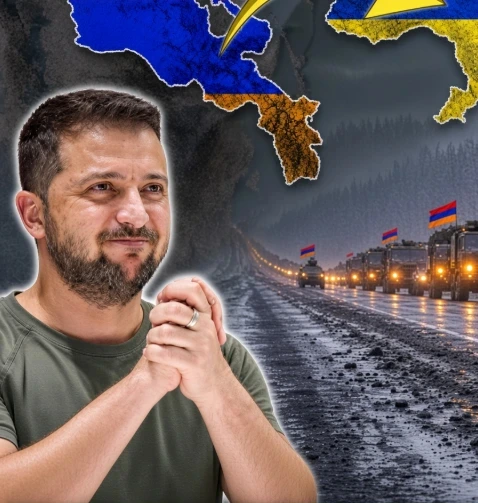
Western governments, meanwhile, have signaled receptiveness to deeper engagement with Armenia. The European Union has expanded trade negotiations, and the United States has increased diplomatic contact. These powers have portrayed Armenian strategic reorientation as a natural response to Russian aggression in Ukraine and have offered Armenia both tangible benefits and rhetorical support for its sovereignty.
Azerbaijan and Turkey, Armenia’s regional adversaries, have watched these developments with their own calculations. Any reduction in Russian military commitment to Armenia could shift the regional balance—a possibility that complicates Yerevan’s strategic calculus and limits how far the government can realistically move away from Moscow.
What This Means
Armenia’s cautious pivot reflects a broader pattern across the former Soviet sphere. Nations that once accepted Russian security dominance as inevitable are now testing alternatives, emboldened by demonstrated Russian military limitations in Ukraine. If Armenia successfully navigates a middle path—maintaining minimum necessary ties to Moscow while deepening Western engagement—it could embolden similar moves in Georgia, Moldova, and Central Asia.
For Russia, Armenian reorientation represents a symbolic and strategic loss. The erosion of influence in the South Caucasus reduces Moscow’s ability to project power regionally and signals to other post-Soviet states that Russian security guarantees may no longer be binding. The Kremlin faces the prospect of watching its sphere of influence contract precisely when it needs allied support most.
The outcome of Armenia’s strategic recalibration remains uncertain. The country must balance genuine security needs against the risks of antagonizing its most powerful neighbor while simultaneously integrating into Western-aligned institutions. How successfully Yerevan manages this balance over the next several years will likely determine whether other regional powers follow similar paths—and whether Russia’s post-Cold War dominance in the South Caucasus becomes a relic of an earlier geopolitical era.



