Lara Trump, the former president’s daughter-in-law, was confirmed as co-chair of the Republican National Committee during a Monday meeting in North Carolina, formalizing Trump family control over party operations heading into the 2026 midterm cycle.
The appointment marks a formal consolidation of power within GOP leadership ranks. Lara Trump, who has served as a prominent surrogate and fundraiser for the Trump political operation, now holds direct authority over party strategy, donor relations, and field operations alongside other RNC leadership.
What Happened
The confirmation took place during an RNC meeting in North Carolina, where party officials formally voted to elevate Lara Trump to the co-chair position. The vote proceeded with minimal opposition from the assembled delegates and state party leaders present at the gathering.
As co-chair, Lara Trump’s responsibilities will encompass messaging priorities, candidate recruitment strategies, and the allocation of party resources across competitive races nationwide. Her portfolio extends beyond traditional fundraising roles into direct influence over Republican campaign architecture.
The Reaction
Trump allies characterized the appointment as a natural progression for someone who has already demonstrated organizational capacity within the political ecosystem. “She understands the mission and has earned this through years of dedication,” one senior GOP operative said of the confirmation.
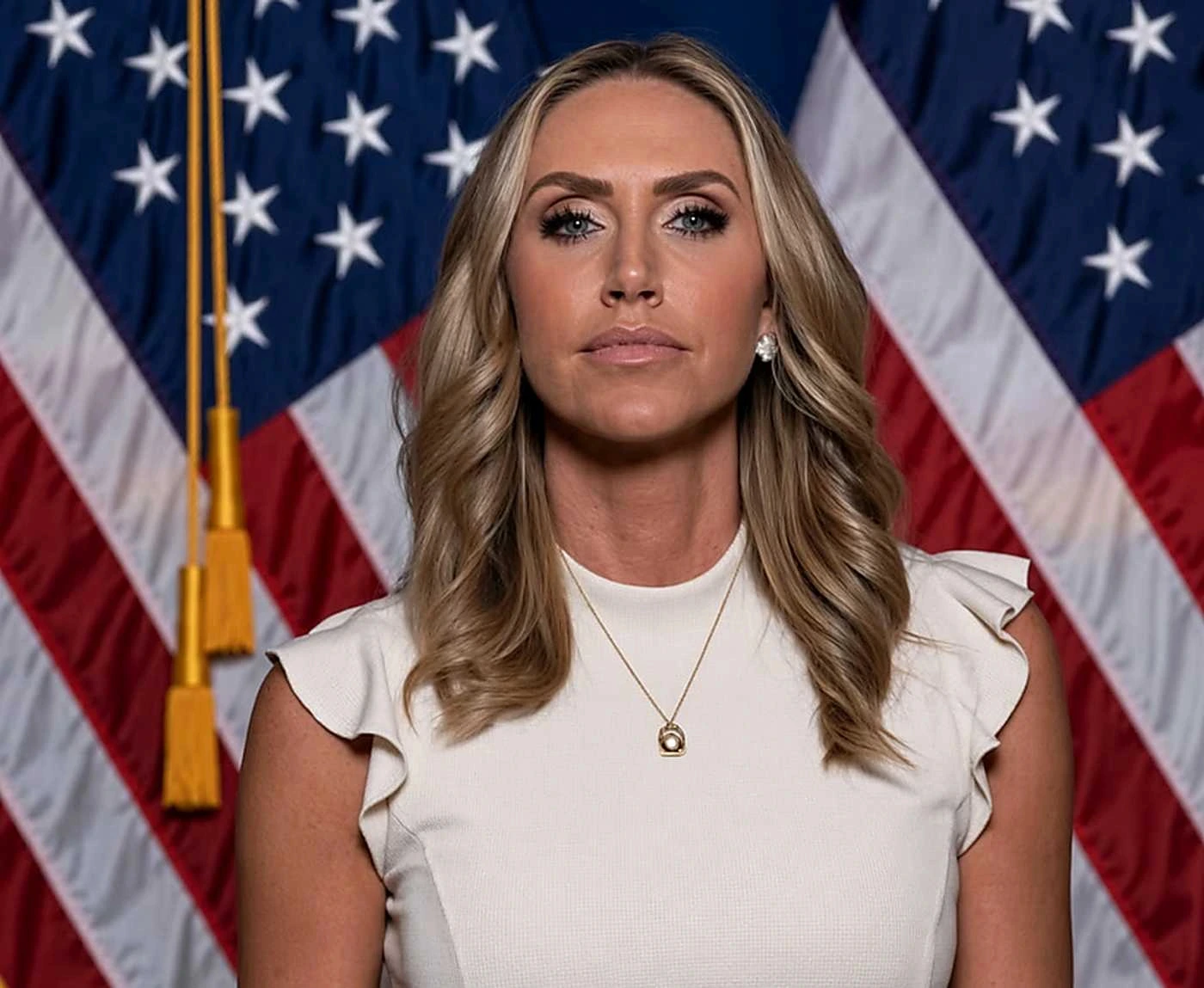
Among some Republicans, the move sparked internal debate about party independence from any single political figure or family. Critics within GOP circles expressed concern that the appointment accelerates what they view as the merger of Republican Party infrastructure with Trump family political interests.
Democratic strategists pointed to the confirmation as evidence that Republican leadership is unified around Trump heading into the midterm elections, potentially signaling organizational advantages for GOP candidates in contested races.
What This Means
The confirmation places Lara Trump at the center of Republican campaign strategy and donor networks during a crucial election cycle. For the Trump political organization, the appointment formalizes what has been an informal arrangement—direct influence over the machinery of the Republican National Committee.
This consolidation of control affects how the party prioritizes races, responds to opposition research, and coordinates fundraising efforts over the next two years. Republican leadership structures heading into 2026 signal that alignment with the Trump brand and family remains a central organizing principle for GOP operations moving forward.



