Russia’s Federal Security Service is reportedly investigating senior military commanders on allegations of treason and corruption, potentially signaling deepening tensions within the Kremlin’s defense establishment and raising questions about the influence of Chechen leader Ramzan Kadyrov amid the ongoing Ukraine conflict.
Accounts of recent confrontations between the FSB and Russia’s military high command have surfaced amid continued fighting in Ukraine. The reported investigations center on accusations against defense officials, with some accounts describing detention and interrogation of senior commanders.
What Happened
Intelligence and military officials have reportedly become subjects of FSB investigations involving allegations of treason and corruption within Russia’s defense structure. These probes are said to reflect a widening divide between the security apparatus and the uniformed military command. The specific scope and legal foundation of these investigations remain unclear, though accounts suggest they target individuals at senior levels within the defense establishment.
Institutional rivalry between Russia’s security services and military command is not unprecedented, but the scale and visibility of reported recent actions have drawn attention to the question of whether friction has deepened. Personnel disputes and investigative actions within the Russian state apparatus occur regularly, though their significance often depends on broader political context.
The Reaction
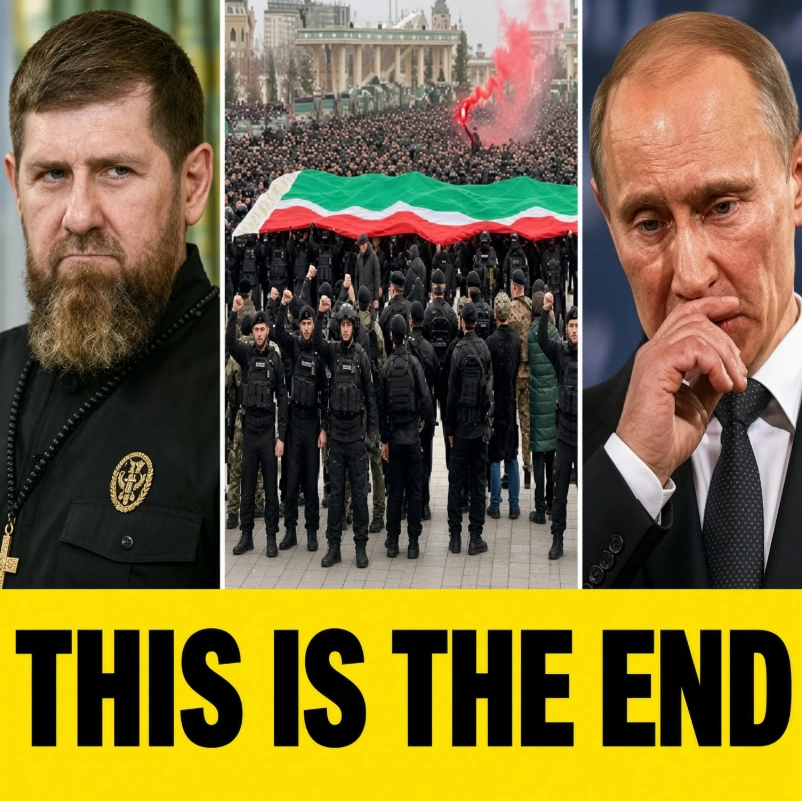
The position of Chechen leader Ramzan Kadyrov has become a focal point in assessments of potential power shifts. Kadyrov commands armed units loyal to him and maintains a complex relationship with the Kremlin. Some observers have suggested that divisions within Russia’s federal institutions could create opportunities for him to expand his role or influence.
However, claims that Kadyrov’s forces are actively preparing to intervene in Kremlin power struggles lack substantiated evidence. His relationship with Moscow remains defined by the Kremlin’s security interests and resource allocation to Chechen armed formations. Any shifts in his status would likely follow, rather than precede, broader changes in the Russian power structure.
What This Means
The reported tensions between security agencies and military leadership occur against the backdrop of prolonged conflict in Ukraine. Coordination between intelligence services and military command is essential to operational effectiveness, and sustained internal friction could affect strategic decision-making and resource allocation.
Yet institutional disputes and personnel investigations do not automatically signal a loss of central authority or imminent political transition. The critical questions are the verified scope of reported arrests, the substantive basis for accusations, and whether these developments translate into measurable shifts in Russia’s power distribution. Whether these reported tensions indicate temporary friction or structural instability remains an open assessment for analysts tracking developments within Russia’s state apparatus.



