President Donald Trump directed Vice President JD Vance on Thursday to shift his focus from Iran negotiations to investigating alleged corruption and crime in Democratic-led cities and states, declaring the U.S. no longer needs a deal with Tehran.
The directive represents a significant strategic realignment for Vance, who had taken a leading role in the administration’s diplomatic efforts with Iran. Trump used his Truth Social account to formalize the new assignment, writing that he had asked Vance to focus his “complete and total attention” on what he described as widespread corruption and crime across Democratic-run jurisdictions.
What Happened
Trump’s announcement marked an abrupt termination of Vance’s diplomatic portfolio regarding Iran. In his social media post, the president stated, “We don’t need a deal with Iran. Those days have long since passed. We’ve got their money, Hundreds of Billions of Dollars, and we’ve got their Strait!” Trump specifically named California, Minnesota, and Illinois as focal points for Vance’s new investigative mandate.
The timing coincided with reports that Vance had been exploring the possibility of renewed direct negotiations with Iranian officials. As the administration’s lead negotiator during a brief ceasefire earlier in the conflict, Vance had maintained diplomatic channels and recently signaled openness to restarting nuclear talks with Tehran.
Trump, however, has increasingly expressed confidence that military and economic pressure has diminished the strategic necessity for negotiated settlement. Earlier in the week, Trump characterized the conflict as “militarily effectively over,” while Secretary of State Marco Rubio asserted that the administration’s economic campaign against Iran was causing severe damage to the Iranian economy.
The Reaction
Vance’s reassignment came on the heels of his public criticism of the Iran conflict’s role in Republican midterm losses. Following the elections, Vance had written that the war was central to Republican electoral setbacks, though he framed the debate as one about policy choices rather than blame. Trump subsequently stated that Vance’s comments had not affected their relationship, despite acknowledging that some within the Republican Party had taken issue with the vice president’s assessment.
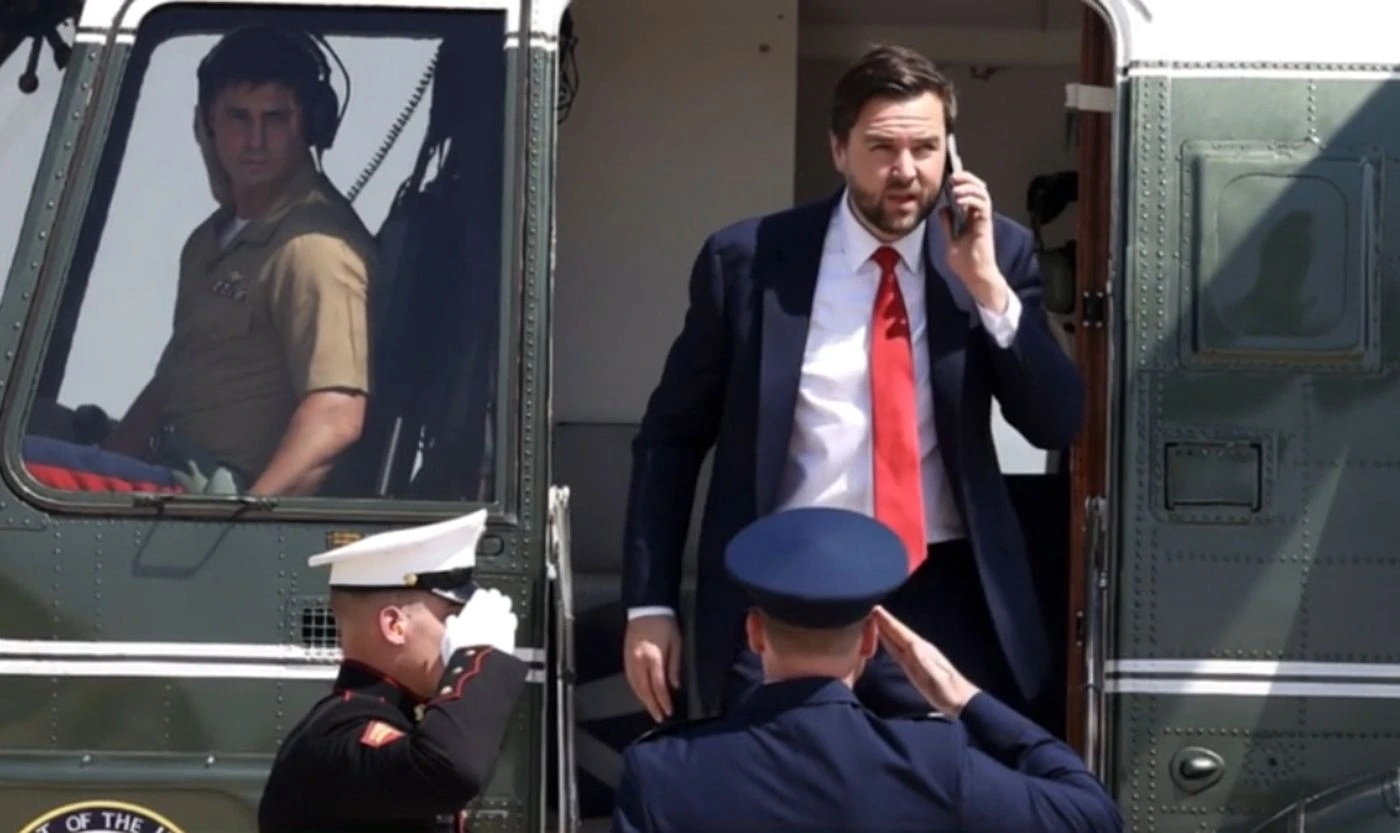
The new domestic focus builds on existing infrastructure. Earlier this year, Trump established a Task Force to Eliminate Fraud and appointed Vance to lead it. The administration has increasingly spotlighted fraud cases tied to government programs, particularly in Minnesota, where federal prosecutors have pursued numerous criminal investigations involving federally-funded services.
Meanwhile, questions about Iran policy remain unresolved despite Trump’s definitive language. Oil shipments through the Strait of Hormuz have recovered to near pre-conflict levels, yet commercial vessels continue requiring extensive U.S. military protection. Recent attacks on tanker vessels underscore ongoing regional volatility. Iranian officials have indicated that diplomatic pathways remain available, with Iranian parliament speaker Mohammad Bagher Qalibaf stating that U.S. officials had reportedly asked Russian President Vladimir Putin to facilitate direct talks, though the White House has not confirmed this account.
What This Means
The reassignment reflects Trump’s broader political strategy as Democrats prepare aggressive investigations into his administration when the new Congress convenes. Incoming House Democratic committee leaders have outlined potential inquiries into Trump’s business interests, immigration enforcement, federal contracts, and other administration policies.
Trump responded this week by attempting to redirect Democratic anti-corruption messaging. After Senate Democratic leader Chuck Schumer referenced voter demands to address “costs, chaos and corruption,” Trump proposed cooperation on corruption while insisting that Democratic-run states deserved heightened scrutiny. The repositioning of Vance as domestic anti-corruption lead appears designed to amplify this counter-narrative ahead of intensified partisan oversight battles.
The Iran question remains an unfinished policy matter. Trump’s declaration that deals are unnecessary does not resolve the underlying geopolitical complexities or regional tensions. His pivot toward using Vance domestically suggests the administration intends to defer Iran policy decisions while focusing public and political energy on domestic governance challenges—a reorientation that may carry implications for both legislative priorities and the 2026 political calendar.



