A federal judge in Manhattan has dismissed journalist Michael Wolff’s preemptive lawsuit against First Lady Melania Trump, rejecting his bid to block a threatened $1 billion defamation claim over statements linking her to disgraced financier Jeffrey Epstein.
The ruling by Judge Mary Kay Vyskocil eliminates Wolff’s attempt to use federal court as a shield against Trump’s anticipated legal action. The decision clears the dispute into state court, where Trump’s legal team can pursue the defamation claim under New York law—a framework her attorneys argue strengthens their position.
What Happened
Wolff filed a federal lawsuit in October after receiving a cease-and-desist letter from Trump’s attorney, Alejandro Brito, demanding retractions of statements about the First Lady’s alleged connection to Epstein. The journalist sought a declaratory judgment—a legal maneuver designed to establish his speech as protected and bar Trump from suing him.
Judge Vyskocil dismissed the case while acknowledging both sides raised legitimate claims. “It’s an inappropriate level of tactical gamesmanship,” she said from the bench, adding she would not be “drafted to oversee an abusively presented spat.” Though the federal court retained jurisdiction, she exercised discretion to send the matter to state court.
Brito had moved Wolff’s case into federal court following the October filing. The judge’s decision to redirect proceedings to New York state courts now permits Trump’s legal team to advance her defamation claim under state statutes rather than federal frameworks.
The Reaction
A spokesperson for the First Lady said Trump “is proud to continue standing up to, and fighting against, those who spread malicious and defamatory falsehoods as they desperately try to get undeserved attention and money from their unlawful conduct.” Trump’s attorneys have previously stated that Wolff’s statements caused her “overwhelming reputational and financial harm.”
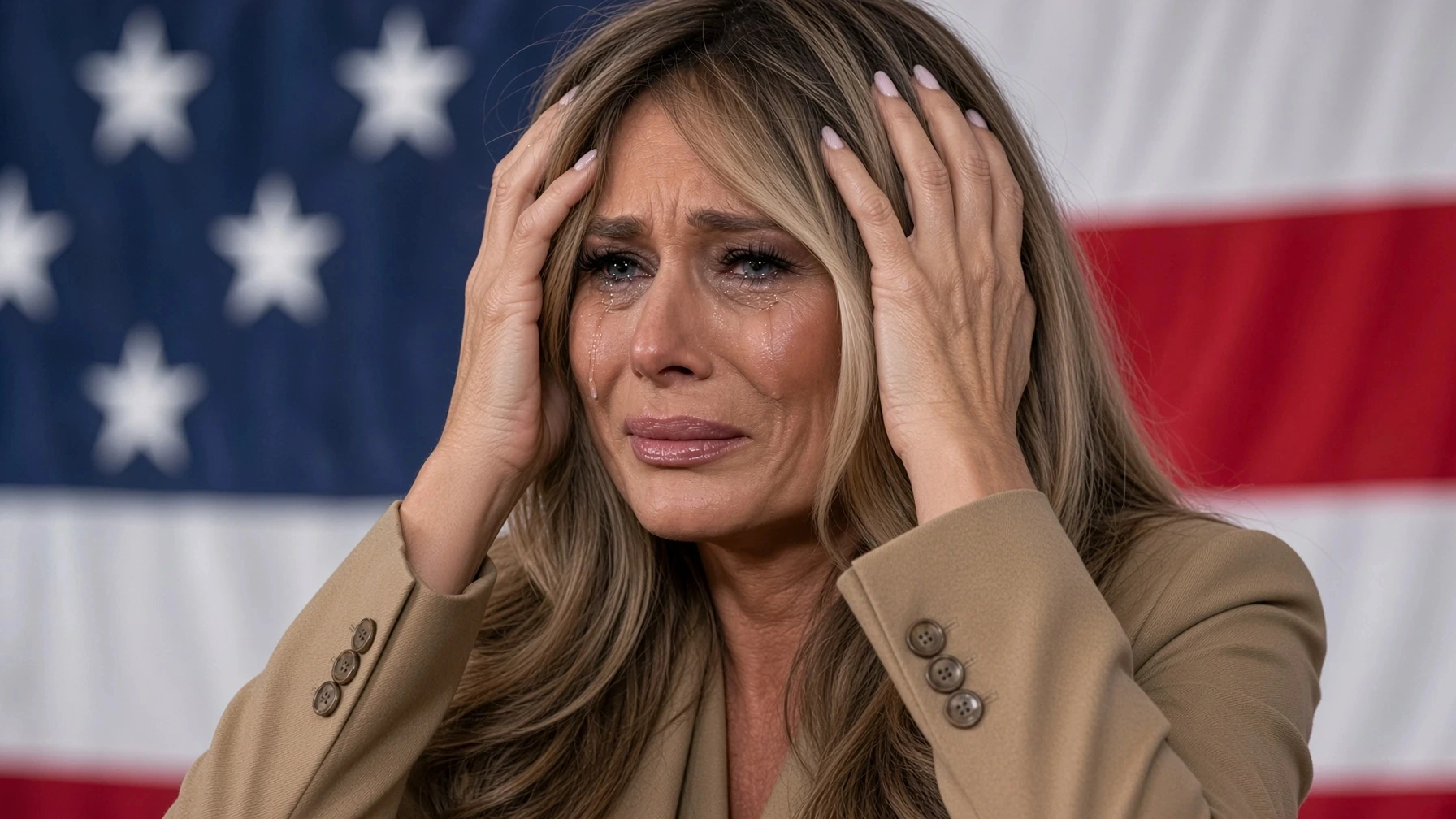
Melania Trump has consistently denied any connection to Epstein, who died in federal custody in 2019 while facing child sex trafficking charges. At an April press conference, she addressed the matter directly: “The lies linking me with the disgraceful Jeffrey Epstein need to end today,” characterizing those spreading such claims as “devoid of ethical standards, humility, and respect.”
Wolff contended in his legal filings that Trump and the President have weaponized litigation to “silence their speech, to intimidate their critics generally, and to extract unjustified payments.” He maintained that certain statements were taken out of context or constituted protected opinion, specifically his characterization of the couple’s relationship as a “trophy marriage.” He argued he never accused the First Lady of criminal involvement in Epstein-related matters.
The Daily Beast retracted an article last summer titled “Melania Trump ‘Very Involved’ in Epstein Scandal: Author,” which had been based on an interview with Wolff. In that interview, the journalist said he had reported the First Lady was working “behind the scenes” on the matter at the White House, though he stated she was not criminally implicated.
What This Means
The dismissal leaves the substantive dispute between Trump and Wolff to be litigated in state court, where procedural rules and damage calculations under New York law may differ from federal proceedings. Legal analysts note that state court venues often provide different advantages in discovery scope and remedies available to plaintiffs in defamation cases.
Congressional figures have weighed in on the broader matter. Republican Rep. Nancy Mace praised Trump’s stance, stating “Melania Trump stands with Epstein victims.” Democratic lawmakers including Rep. Robert Garcia called for congressional hearings, suggesting renewed legislative scrutiny of related matters.
Whether the First Lady’s legal team pursues settlement negotiations or proceeds to trial in state court remains to be seen. The path forward now runs through New York state courts rather than the federal system, fundamentally reshaping the legal terrain for both parties.



