The U.S. Supreme Court on Tuesday delivered a significant legal victory for American corporations by restricting private citizens’ ability to sue companies under international law statutes in a 6-3 decision that reshapes oversight of corporate conduct abroad.
The ruling in Cisco Systems, Inc. v. Doe invalidates claims that private litigants can pursue aiding-and-abetting liability under either the Alien Tort Statute (ATS) or the Torture Victim Protection Act (TVPA). The decision closes a legal pathway that human rights advocates have used to challenge American companies accused of facilitating violations overseas.
What Happened
Justice Amy Coney Barrett authored the majority opinion, joined by Chief Justice John Roberts and Justices Clarence Thomas, Samuel Alito, Neil Gorsuch, and Brett Kavanaugh. “Today, we close the door that Sosa cracked and hold that courts may not create new causes of action for violations of international norms,” Barrett wrote in the opinion.
The case originated from claims by unnamed Falun Gong practitioners who alleged that Cisco Systems sold networking equipment to Chinese authorities that was subsequently used in surveillance and persecution. The Ninth Circuit had permitted the lawsuit to advance, but the Supreme Court reversed that decision.
Barrett’s opinion also addressed the second statute at issue: “We also hold that the Torture Victim Protection Act of 1991, which contains an express cause of action, does not provide for aiding-and-abetting liability,” the justice wrote. The ruling narrows pathways for private litigation based on theories of indirect responsibility.
The Reaction
Justice Ketanji Brown Jackson filed an opinion concurring in part and dissenting in part, joined by Justice Elena Kagan. Jackson agreed with narrowing the ATS framework but contended that the TVPA’s language could encompass aiding-and-abetting claims in some circumstances.
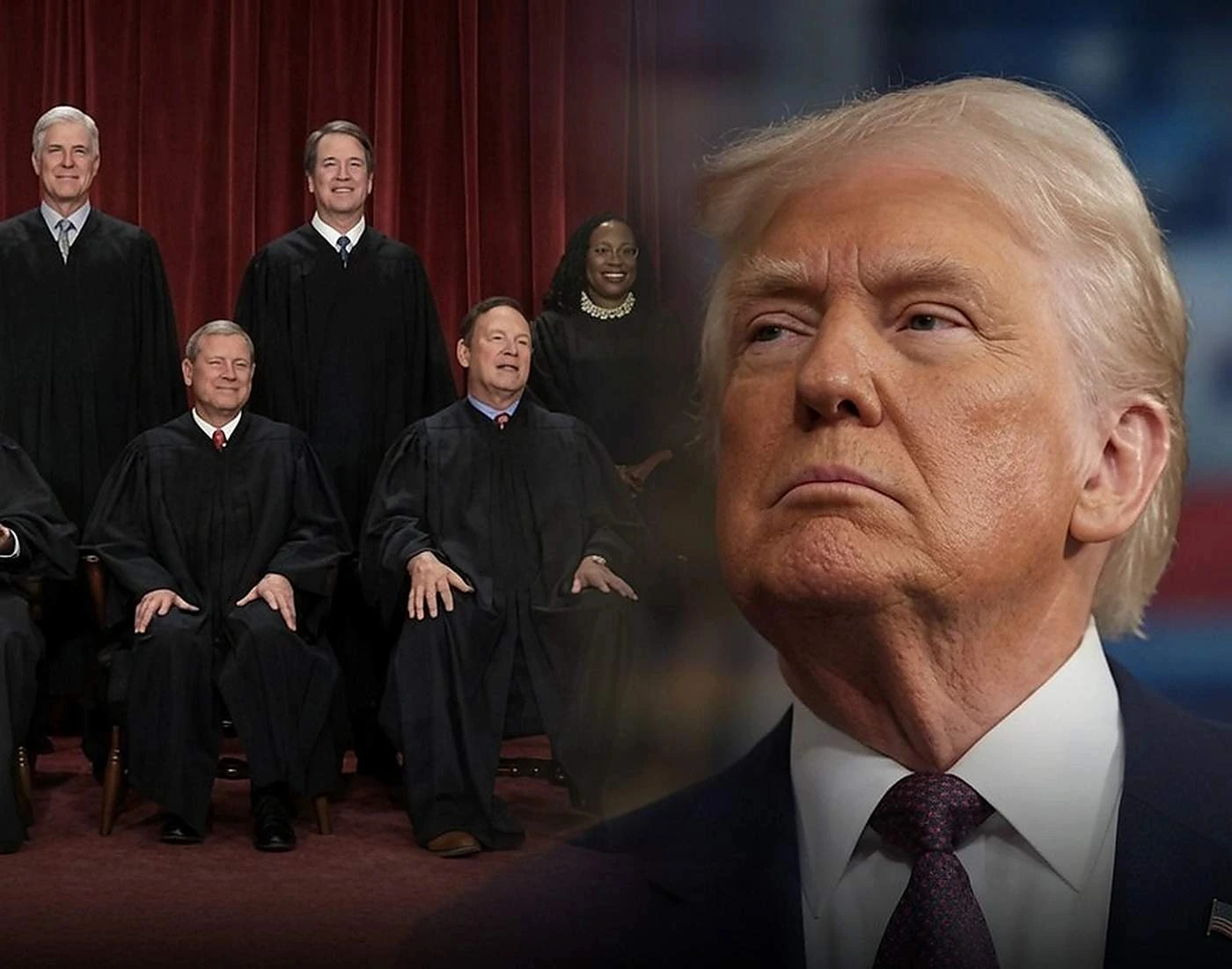
Justice Sonia Sotomayor dissented more broadly, joined by Kagan and Jackson in significant portions. Sotomayor argued the majority “jettisons two decades of settled precedent” and warned the decision “forecloses future reliance on Sosa and shuts the courthouse doors to almost any claimed violation of international law under the ATS.” She wrote: “Because the plain text of this statute includes individuals who aid and abet the victim’s torture, I would affirm the Ninth Circuit’s judgment on this score as well.”
What This Means
Barrett’s majority opinion emphasized separation of powers doctrine, stating “The power to create causes of action belongs to Congress… Creating any cause of action ‘is an extraordinary act that places great stress on the separation of powers.'” The opinion cautioned that courts risk generating “adverse foreign policy consequences” when they invent liability frameworks.
The decision substantially limits litigation pathways for overseas claimants seeking damages from American companies operating internationally. Lawyers who previously filed claims alleging corporate involvement in human rights abuses now face significantly higher hurdles in federal court.
Technology firms and multinational corporations no longer face liability exposure under the theory that they aided and abetted government actions through commercial transactions. Legal experts anticipate the ruling will reduce the volume of transnational human rights litigation filed against American enterprises in U.S. courts.
The Supreme Court’s narrowing of both statutes reflects a broader judicial stance that international disputes and foreign policy questions belong primarily within Congress and the executive branch rather than private litigation. How lower courts apply these boundaries in distinguishing permissible from impermissible claims will determine corporate exposure to international law suits in the years ahead.



