The Texas Attorney General’s Office filed a lawsuit Thursday against Harris County election officials, alleging that taxpayer-funded voter outreach advertisements improperly used racial and ethnic targeting on Facebook and Instagram to exclude white and other demographic groups.
The suit names County Clerk Teneshia Hudspeth and Communications Director Irene Nuñez as defendants and seeks an emergency court order to halt the targeted advertising practices before the general election. The state contends that Harris County used Meta’s advertising tools to selectively distribute voter awareness messages based on interests linked to African-American history, Hispanic culture, Latin dance and geographic connections to foreign nations.
What Happened
According to the complaint filed in Harris County district court, the clerk’s office spent approximately $43,429 on advertisements over a 30-day period using audience categories based on race and ethnicity. The ads themselves carried nonpartisan messaging such as “Plan. Check. Vote!” and provided practical information to help voters prepare to cast ballots. However, the Attorney General’s Office argues that by selectively distributing these messages based on demographic targeting criteria, the county exceeded its legal authority and violated equal-rights protections under the Texas Constitution.
Harris County, which encompasses Houston, is the state’s most populous county with roughly 46 percent Hispanic residents, 20.5 percent Black residents, nearly 25 percent white residents and 8 percent Asian residents according to Census data. The state contends that the county failed to apply similar targeting strategies to European ethnicities and other demographic groups, creating an unequal distribution of government-funded election information.
The lawsuit emerged at a critical juncture in the election cycle, with early voting ending Friday and the general election scheduled for the following Tuesday. The timing meant that the dispute over advertising practices became public just days before voters would head to the polls in one of Texas’ most competitive regions.
The Reaction
Harris County officials rejected the state’s legal arguments and said their voter outreach program was lawful and nonpartisan. “We are confident that our voter outreach efforts are lawful,” the Harris County Clerk’s Office said in a statement Thursday, while announcing that it had deactivated the contested Meta audience subsets to prevent the lawsuit from becoming a distraction during the election.
The clerk’s office maintained that its objective was to provide accurate election information to qualified voters and emphasized that it does not seek to influence how residents cast their ballots on candidates or measures. Harris County Attorney Abbie Kamin added that her office was reviewing the lawsuit and defended the county’s efforts to ensure all voters throughout the diverse Houston area have access to election information.
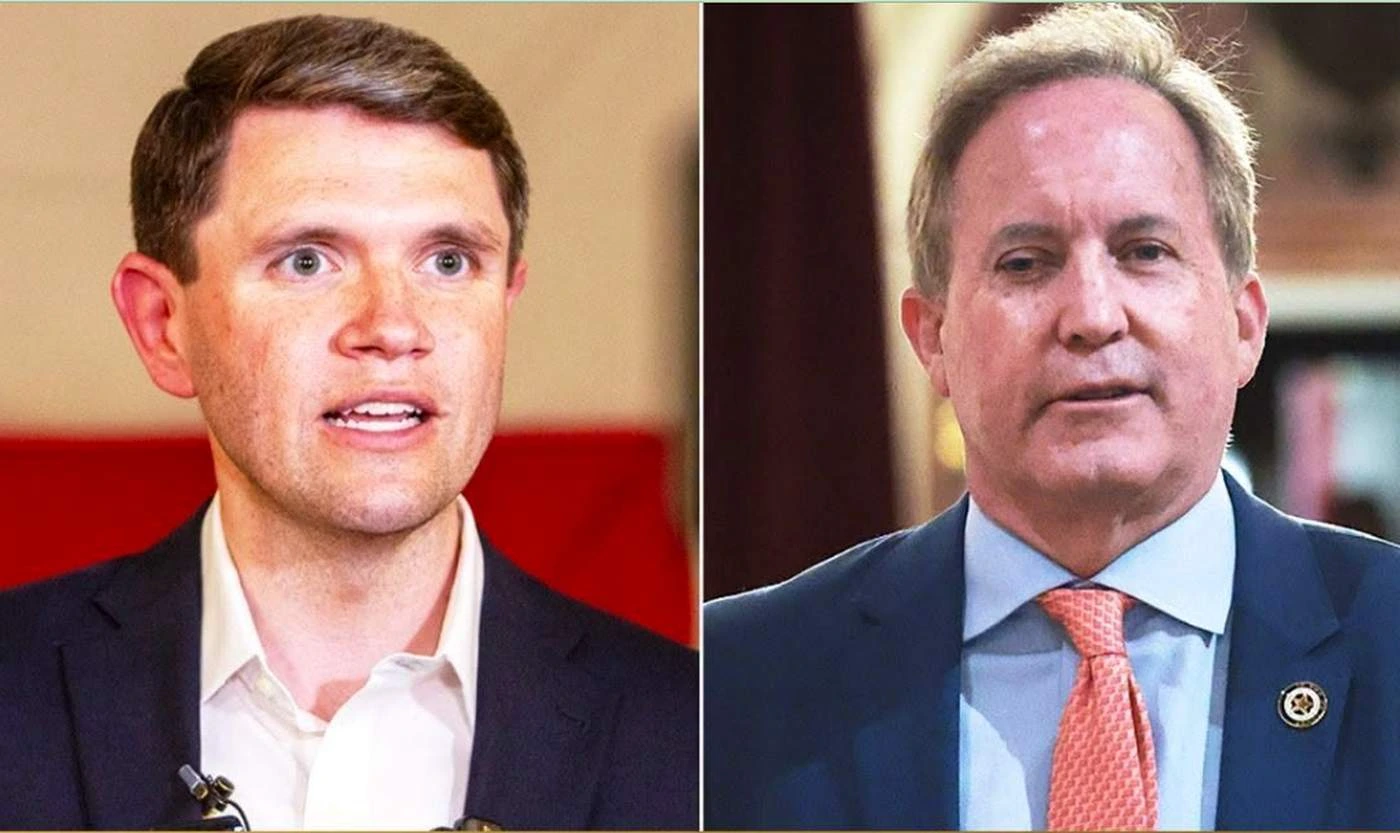
Attorney General Ken Paxton recused himself from the litigation because he appears on the November ballot as the Republican nominee for U.S. Senate. First Assistant Attorney General Brent Webster led the case on behalf of the state, which requested both temporary and permanent injunctions against the targeted advertising practices.
What This Means
University of Houston law professor Seth Chandler noted that the state faces a substantial legal burden in proving that the county’s advertising practices constitute intentional discrimination. He suggested the outcome may hinge on whether county officials deliberately selected demographic categories to favor particular racial groups or instead employed cultural and interest-based targeting as part of routine voter outreach efforts.
The case underscores broader questions about how election administrators can conduct voter outreach in diverse jurisdictions while navigating equal-protection principles and avoiding allegations that targeting mechanisms unlawfully sort voters by race or ethnicity. As demographics across Texas continue to shift, election officials in major urban counties will likely face sustained scrutiny over how they design and execute voter communications campaigns.



