As political developments unfold across the American landscape, major news stories involving prominent figures continue to attract widespread public attention, raising questions about how modern media covers evolving situations and what drives audience engagement with political narratives.
The American political ecosystem has become increasingly connected to everyday life, with decisions made in Washington and state capitals influencing economic policy, healthcare access, education funding, foreign relations, and tax structures. This interconnection means that developments affecting major political figures routinely become front-page news.
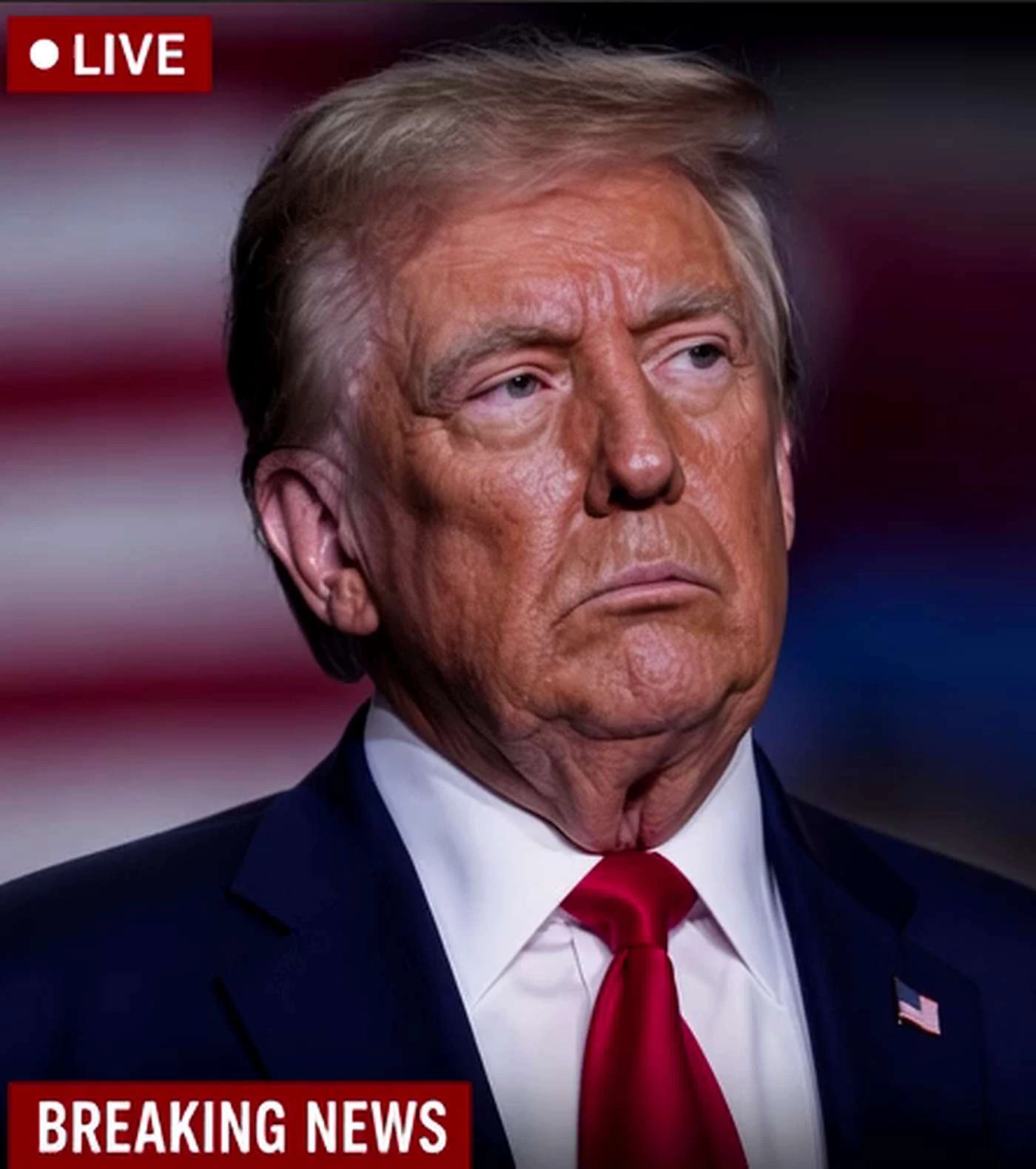
Headlines suggesting new challenges or setbacks for political figures operate with particular effectiveness because they combine elements of urgency and incomplete information. Readers encountering such language naturally want to understand what occurred, why it carries significance, and what ramifications may follow.
What Happened
The phrase “gets more bad news” can encompass a remarkably broad range of circumstances. Polling results showing shifting voter preferences qualify as bad news in certain contexts. So do legal proceedings, legislative defeats, policy setbacks, fundraising challenges, public criticism from allies or party officials, and changing approval ratings. The ambiguity means readers cannot determine actual meaning without examining the specific facts underlying the headline.
Political news typically evolves rapidly throughout news cycles. Information available during morning hours frequently gets updated by afternoon as new facts emerge. Court filings, official statements, government reports, campaign announcements, and public reactions from political figures and voters all reshape developing narratives.
Another significant factor driving attention to political headlines is the degree of polarization within the electorate. Supporters and opponents often interpret identical events in fundamentally different ways. A development considered a major setback by one group may be viewed as insignificant or even favorable by another, contributing to sustained public debate.
The Reaction
News organizations balance competing pressures when covering political developments. Competitive media markets create incentives to report stories quickly, yet responsible journalism requires verifying facts, consulting sources, and providing necessary context. Maintaining this balance while meeting publication deadlines presents ongoing challenges.
Social media has accelerated the spread of political information across the public sphere. Stories can reach millions of people within minutes, creating opportunities for engagement while simultaneously increasing risks of misinterpretation or incomplete understanding. As information moves faster than ever before, verification becomes increasingly critical.
What This Means
For readers encountering political headlines, focusing on evidence rather than assumptions provides the clearest path to understanding. Substantive analysis requires asking what specific event or development prompted the headline, what independent verification exists, who is directly affected by the circumstances, and what credible sources say about the situation’s significance.
Political figures across the spectrum regularly experience both favorable and unfavorable developments. Elections, judicial decisions, policy debates, economic indicators, and public opinion surveys all contribute to shifting political fortunes. Events that appear significant today frequently get overshadowed by subsequent developments.
Headlines function as entry points to complete stories rather than comprehensive accounts. Understanding the actual significance of any political event requires context, verified information, and careful analysis. In media environments driven by speed and competitive pressures, readers gain the most value when they move beyond attention-grabbing language and prioritize substantive reporting that explains what occurred, why it matters, and what consequences may follow.



