The U.S. Supreme Court ruled 6-3 on Tuesday that foreign plaintiffs cannot use two major federal statutes to sue American corporations for allegedly aiding human rights abuses abroad, significantly limiting international litigation against U.S. companies in domestic courts.
The decision in Cisco Systems, Inc. v. Doe centers on whether the Alien Tort Statute and the Torture Victim Protection Act create private causes of action allowing overseas claimants to hold U.S. firms liable for facilitating violations of international law. The case originated from a lawsuit brought by practitioners of Falun Gong, a religious movement banned by China, who alleged that Cisco’s surveillance technology helped Chinese authorities commit torture and other abuses.
What Happened
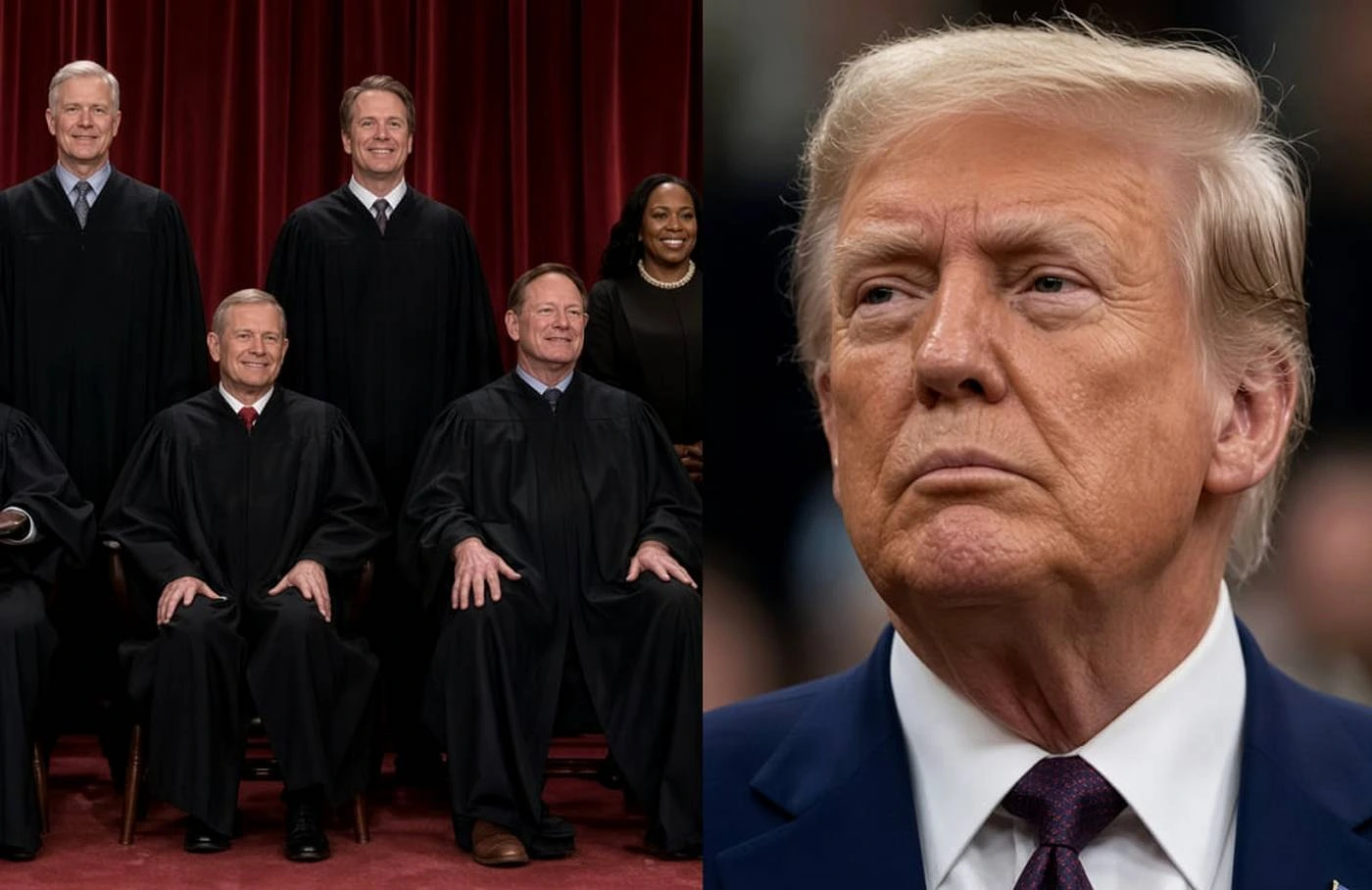
Writing for the conservative majority, Justice Amy Coney Barrett held that federal judges lack constitutional authority to recognize new private causes of action under the 1789 Alien Tort Statute and that the 1991 Torture Victim Protection Act does not establish secondary aiding-and-abetting liability. “Today, we close the door that Sosa cracked and hold that courts may not create new causes of action for violations of international norms,” Barrett wrote, referencing the court’s 2004 precedent in Sosa v. Alvarez-Machain.
Barrett was joined by Chief Justice John Roberts and Justices Clarence Thomas, Samuel Alito, Neil Gorsuch, and Brett Kavanaugh. The litigation stemmed from claims that Cisco Systems engineered and sold surveillance and networking infrastructure known as the “Golden Shield” project to Chinese authorities, allegedly facilitating detention and torture. A federal district court had initially dismissed the complaint, but the U.S. Court of Appeals for the Ninth Circuit revived the claims, ruling that both statutes permitted aiding-and-abetting actions against domestic entities knowingly facilitating violations of customary international law.
The Supreme Court’s reversal brings an end to that theory of liability. The ruling also aligns with arguments presented by the federal government, whose Solicitor General’s office participated in oral argument urging the justices to rein in extraterritorial litigation that administration officials warned could disrupt foreign diplomacy and chill American technological innovation abroad.
The Reaction
Business groups and defense counsel hailed the decision, arguing that it removes persistent legal exposure for technology firms and global manufacturers navigating complex international markets. For decades, corporate defendants had faced expansive class actions under the Alien Tort Statute, incurring substantial litigation costs to defend against claims stemming from the sovereign actions of foreign governments.
The court’s three liberal justices strongly disagreed with the majority’s approach. Justice Sonia Sotomayor, joined in part by Justices Elena Kagan and Ketanji Brown Jackson, argued that the statutory text of the Torture Victim Protection Act permitting claims against individuals who “subject” victims to abuse naturally includes those who intentionally aid and abet the underlying conduct. “Because the plain text of this statute includes individuals who aid and abet the victim’s torture, I would affirm the Ninth Circuit’s judgment on this score as well,” Sotomayor wrote.
Jackson acknowledged that narrowing the Alien Tort Statute’s scope was defensible but maintained that the Torture Victim Protection Act’s statutory framework was sufficiently broad to reach parties providing material, knowing assistance to state-sponsored torture.
What This Means
The ruling emphasizes the constitutional separation of powers, with Barrett reasoning that creating private rights of action is an extraordinary legislative prerogative reserved exclusively to Congress. Allowing unelected federal judges to recognize new tort claims based on evolving international norms risks judicial encroachment on foreign policy—a realm the Constitution assigns to the executive and legislative branches.
The decision marks the culmination of a decades-long conservative effort to curtail transnational human rights suits in U.S. courts. Going forward, foreign victims of human rights abuses allegedly facilitated by American companies will face a significantly narrower path to seek remedies through the federal judiciary, potentially shifting the burden of addressing such claims to Congress and diplomatic channels.



