A federal judge in Virginia has blocked the Trump administration from proceeding with a $1.8 billion compensation fund designed to pay individuals the administration believes were wrongfully targeted by federal agencies.
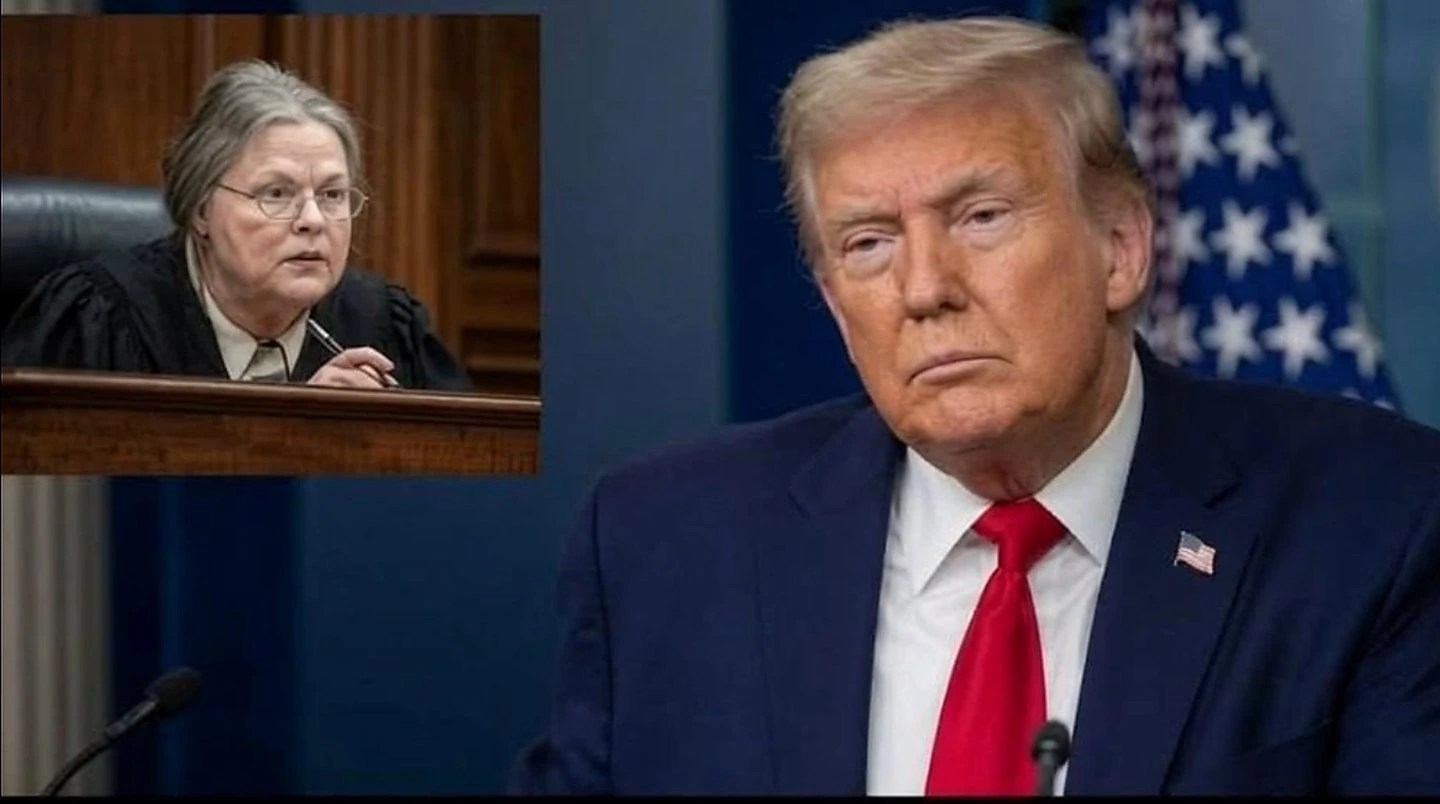
District Judge Leonie Brinkema issued the temporary halt Wednesday, preventing the administration from taking action on what it calls the Anti-Weaponization Fund. The order blocks transfers of money into the fund, the review of submitted claims, and any disbursements from the account.
Brinkema scheduled a hearing for June 12 to consider whether to issue a longer-term stay while legal challenges proceed. The fund faces opposition from a broad coalition of groups and individuals who argue certain recipients would be ineligible under existing law.
What Happened
The Justice Department announced the $1.8 billion fund on Monday as part of a broader settlement tied to President Trump’s decision to drop a $10 billion lawsuit against the Internal Revenue Service. That lawsuit centered on the 2019 and 2020 leak of Trump’s tax returns by an IRS contractor.
The compensation initiative quickly drew scrutiny, particularly over its funding mechanism. Congress has not formally appropriated the $1.8 billion, and attorneys representing defendants charged in connection with the January 6 Capitol riot have publicly indicated they may seek payments from the fund on behalf of their clients.
Last week, the House Rules Committee rejected a Democratic amendment that would have explicitly barred anyone charged or convicted in connection with the Capitol riot from receiving compensation through the fund. Rep. Jim McGovern (D-Mass.) introduced the measure, proposing simultaneous consideration of the No Rewards for January 6 Rioters Act alongside the fund rule.
“I move the committee add a new section to the rule providing immediate consideration of HR 7711, so this bill would prohibit the use of federal funds to compensate individuals who were prosecuted for their involvement in the attack on the United States Capitol on January 6, 2021,” McGovern said during the hearing.
The Reaction
The GOP-controlled Rules Committee voted down McGovern’s amendment, preventing a floor debate on the measure. McGovern responded on social media, calling the move “beyond shameful” and criticizing Republicans for blocking discussion of what he termed a “slush fund” that could benefit Capitol riot defendants.
“Republicans just voted AGAINST my amendment to stop Trump’s $1.8 billion slush fund from bailing out the convicted felons who assaulted cops on January 6th,” McGovern wrote. “You read that right. They blocked us from even debating the issue on the House floor.”
The judge’s temporary halt adds a new layer to the political dispute, shifting some resolution of the fund’s legality from Congress to the courts. Legal challenges will now proceed through the federal system, with Brinkema’s June 12 hearing serving as a key checkpoint in determining the fund’s immediate future.
What This Means
The temporary injunction leaves the administration unable to move forward with the compensation initiative in its current form. Any payments that were planned or under consideration are now frozen pending judicial review and the outcome of ongoing litigation.
The case raises foundational questions about executive authority over federal spending, congressional appropriation requirements, and the scope of remedies available to individuals claiming wrongful targeting by government agencies. The resolution could set precedent for how future administrations structure compensation programs without explicit congressional authorization.
The coming weeks will determine whether the temporary halt becomes a more permanent obstacle or whether the administration can restructure the fund to address the court’s concerns and move forward with compensation efforts.



