A prominent Republican who challenged the party’s recent direction said the midterm elections represent a mandate for change, positioning himself as a potential 2028 contender as he argues Republicans must chart a new course.
The remarks came after Democrats flipped control of Congress this week in a strong showing that handed them the House and Senate. The reversal represents a significant shift in power ahead of what is expected to be a consequential presidential cycle.
What Happened
Former New Jersey Governor Chris Christie, 64, declared the political era has fundamentally changed in the aftermath of Tuesday’s elections. “The Republican Party needs to move on,” Christie told reporters, signaling that the current trajectory of GOP politics has exhausted itself at the ballot box.
The elections produced substantial Democratic gains across competitive districts and states. Democrats secured more than 30 House seats while flipping multiple Senate races, leaving Republicans as the minority party in both chambers when Congress convenes in January. Christie framed the results as a direct response to Republican governance rather than an endorsement of Democratic ideology.
“This was a repudiation of Trump and the Republican Party,” Christie said, emphasizing that voters registered dissatisfaction with the incumbent GOP rather than affirmatively choosing a Democratic agenda. He cautioned against what he sees as misinterpretation of the results on either side of the aisle.
Christie specifically warned Democrats not to interpret the outcome as validation of progressive or socialist policies. “The country didn’t vote for socialism,” he said, arguing that the electoral result reflects rejection of one party rather than acceptance of the other’s policy platform.
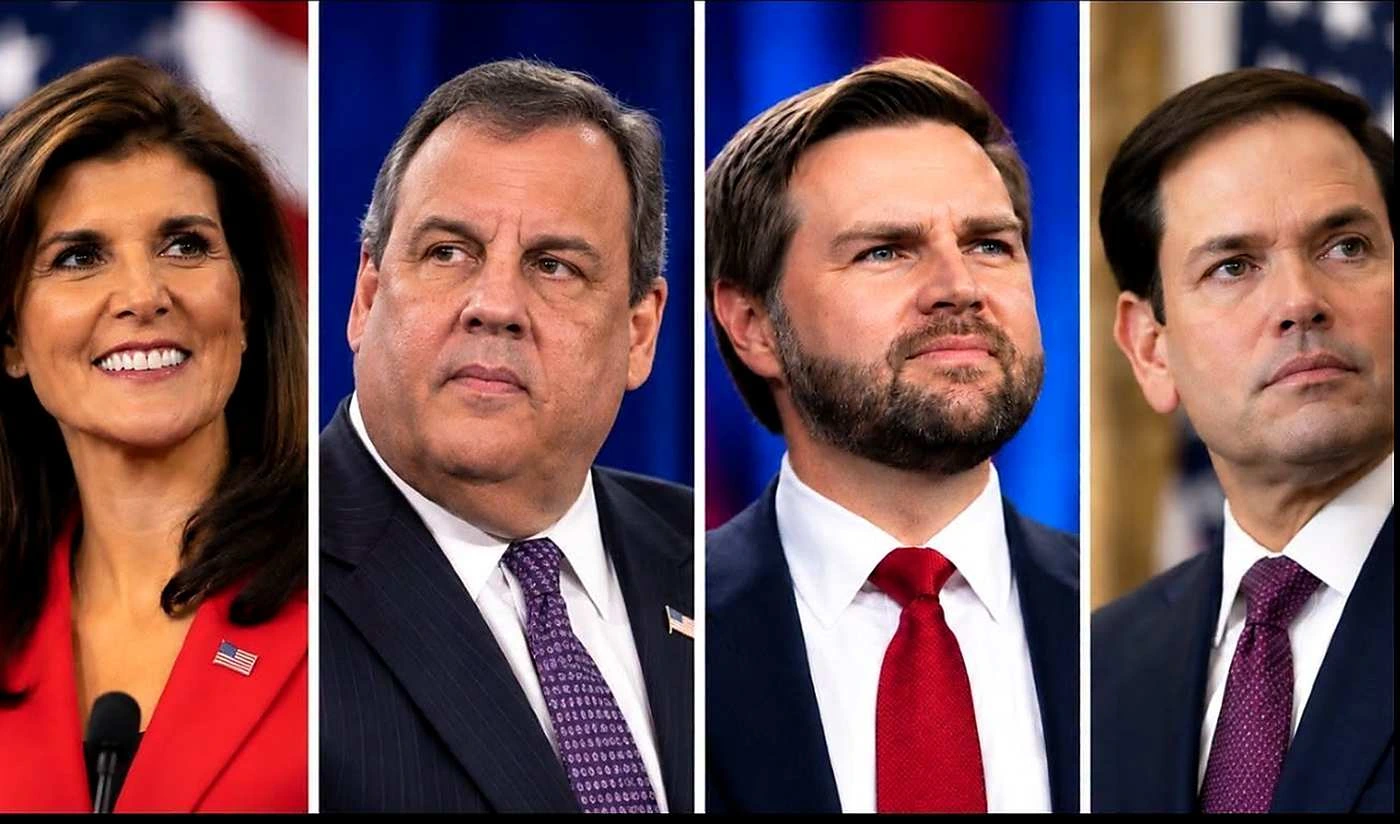
The Reaction
Christie’s assessment has found some resonance among Republicans processing the defeat, though party leadership has taken a different public approach. Senate leadership indicated plans to cooperate with the sitting president from the minority, signaling continuity rather than dramatic strategic shifts.
President Trump, whose influence over GOP candidates has been central to Republican messaging since 2020, adopted a more measured tone immediately after the elections. “I think the Democrats did a good job,” he told media outlets, noting opportunities for bipartisan cooperation on certain issues during the remainder of his term.
Christie’s relationship with Trump has followed a complicated trajectory. He endorsed Trump after ending his own 2016 campaign and later led Trump’s presidential transition. However, he became increasingly critical of Trump’s conduct and made opposing him central to an unsuccessful 2024 presidential campaign.
What This Means
The midterm outcome creates distinct power dynamics for the final two years of Trump’s presidency. Democrats gain subpoena power, control over judicial confirmations, and the ability to block legislation without procedural constraints. Trump retains veto authority, which would require a two-thirds majority in both chambers for Congress to override.
Christie’s positioning ahead of 2028 reflects broader questions about the Republican Party’s direction. While Trump remains president through January 2029 and maintains significant influence within GOP circles, some Republicans are signaling the party should explore alternative leadership before the next presidential cycle. Whether that argument gains traction among party voters and elected officials will likely shape the primary contest over the coming months.



