The Strait of Hormuz, a vital shipping corridor for global oil supplies, has become the focal point of escalating military and economic confrontation between the United States and Iran, as diplomatic efforts to resolve deeper disputes remain stalled.
The waterway’s strategic importance—it handles roughly one-third of seaborne traded oil—makes it a natural pressure point in the broader conflict. Recent attacks on vessels near the strait have prompted shipping companies to reroute cargo, reducing traffic to levels not seen since May, according to data reviewed this week.
What Happened
The narrowing of the Strait of Hormuz to a flashpoint follows months of maritime friction between Washington and Tehran. Iran has leveraged its geographic position around the waterway as a tool in broader geopolitical negotiations, while the United States has maintained that freedom of navigation must be preserved.
Vessel traffic has plummeted in recent weeks following confrontations between military and commercial ships. Iran’s own crude exports through the strait have effectively halted for roughly seven weeks, reflecting the severity of current disruptions to one of the world’s most critical energy arteries.
The shipping crisis extends beyond the two nations involved. Uncertainty over safe passage has rippled through global energy markets, with traders pricing in increased risk premiums and companies reassessing their transportation strategies in the region.
The Reaction
Diplomatic engagement has continued but without tangible results. Iran and Oman have pursued talks aimed at restoring more predictable maritime conditions, yet broader negotiations over Iran’s nuclear program and sanctions remain deeply fractured.
U.S. Energy Secretary Chris Wright said this week that Washington sees limited prospects for a comprehensive nuclear deal under present circumstances, characterizing the negotiation process as deadlocked. That assessment underscores how military tensions have undermined political dialogue.
Economic pressure has intensified alongside diplomatic stagnation. The Trump administration has amplified sanctions targeting Iran’s oil sector and foreign currency access, measures Tehran says have triggered shortages of imported goods and currency reserves. Iranian officials have acknowledged the economic strain, though they continue to frame the confrontation as asymmetrical pressure from Washington.
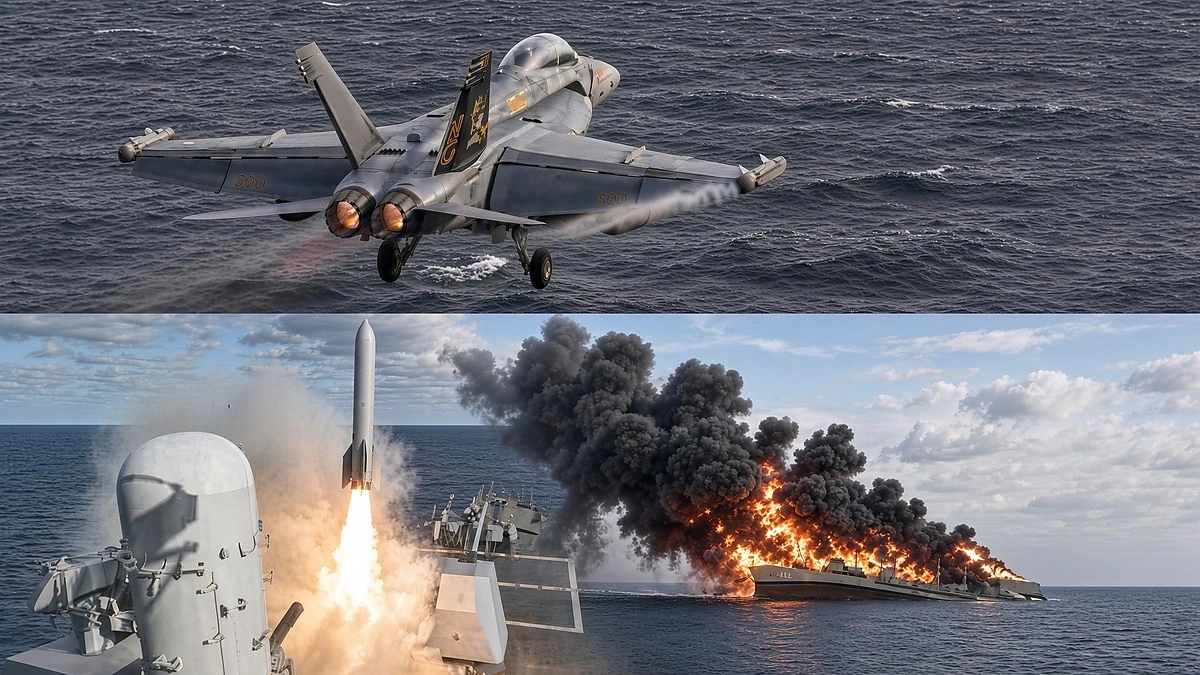
Military clashes have escalated in tandem. U.S. strikes against Iranian targets have been followed by Iranian counter-strikes, creating a cycle of retaliation that further complicates any diplomatic opening. Each incident near the strait raises concerns among shipping companies and global traders about the safety of future transits.
What This Means
The convergence of military operations, economic sanctions, and shipping disruptions has created a compound crisis with no clear resolution in sight. Any settlement would require both sides to make concessions on nuclear restrictions, sanctions relief, maritime security, and freedom of navigation—issues on which little common ground has emerged.
The broader implications extend to global energy security and price stability. If the Strait of Hormuz remains a contested zone, alternative shipping routes will face congestion and added cost, potentially keeping energy prices elevated. Markets will likely remain volatile as long as the underlying political dispute remains unresolved.
The path forward hinges on whether military pressure will eventually force one side to negotiate, or whether the confrontation will harden into a prolonged standoff. Neither outcome appears imminent given current trajectories in military operations and diplomatic communications.



