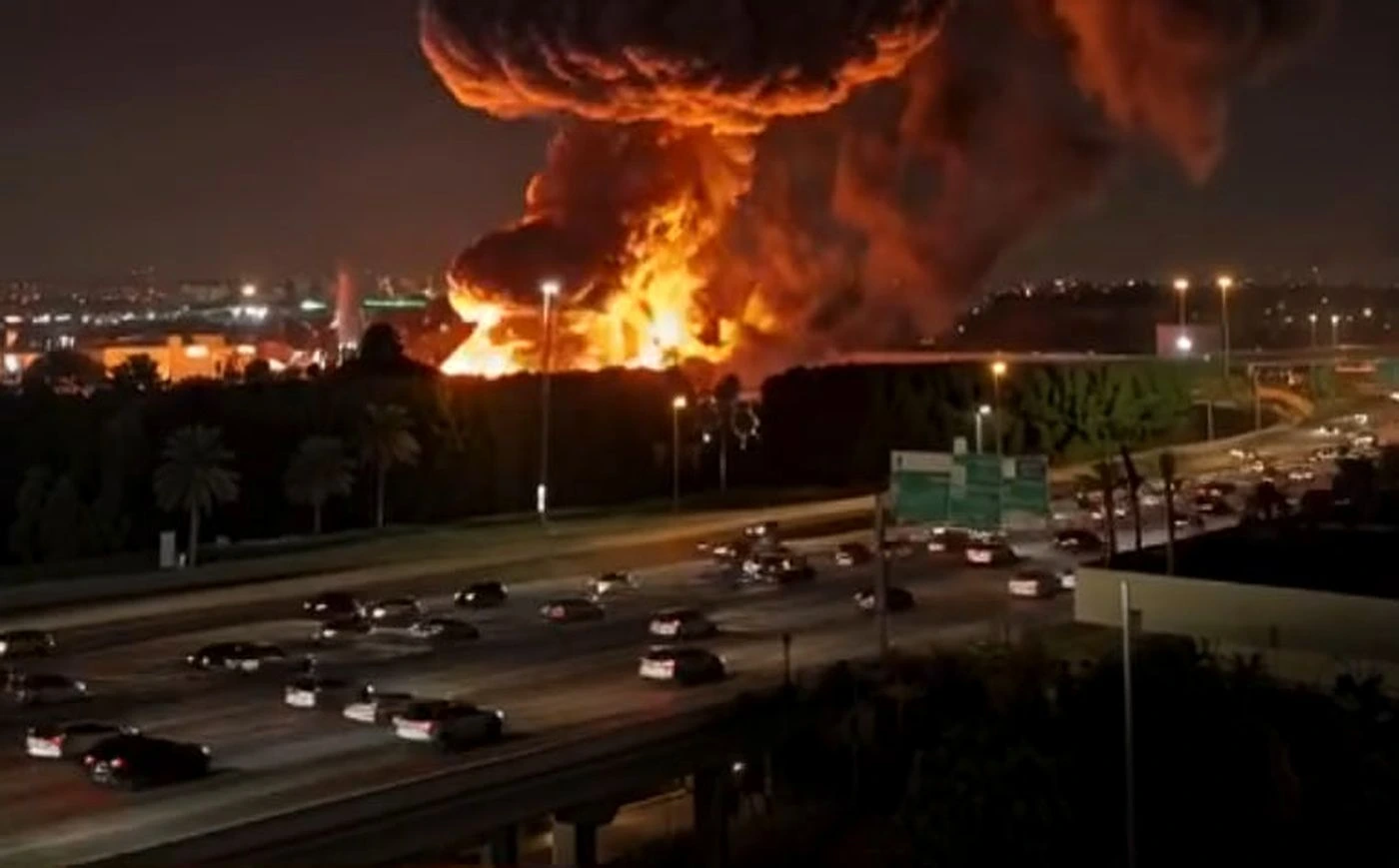
A ballistic missile struck the Israeli city of Beit Shemesh on Tuesday, killing nine people and wounding 28 others, intensifying an escalating confrontation between Israel and Iran as military tensions grip the region.
The attack was one of multiple incoming strikes reported across Israeli territory, triggering air-defense operations and emergency responses. The incident underscores deepening concerns about how rapidly the Israel-Iran conflict is spiraling, with potential for further military escalation.
What Happened
The missile struck a residential area in Beit Shemesh, located west of Jerusalem, causing extensive structural damage. Medical authorities said nine people were killed and 28 others sustained injuries, with two in serious condition, two in moderate condition, and 24 with minor injuries.
According to Jerusalem District Police Chief Avshalom Peled, the missile scored a direct hit on a synagogue, causing the structure to collapse onto a public shelter below where civilians had taken refuge. “The majority, if not all, of the casualties were believed to have been inside the protected area when the missile struck,” Peled said.
The circumstances made the strike particularly deadly. Residents had followed emergency protocols by seeking protection in designated shelters after warning sirens sounded across multiple regions, yet the direct impact negated that safety measure. Emergency personnel from fire, police, medical, and search-and-rescue units worked through the collapsed debris to locate victims and provide treatment, hampered by heavy structural damage and difficult operating conditions.
Israeli authorities confirmed that Iranian missile strikes triggered the warning systems. Multiple incoming attacks were reported, prompting air-defense systems to attempt interception across affected areas. Residents rushed to bomb shelters as sirens activated, following procedures designed to protect civilians during such incidents.
The Reaction
The incident has placed emergency services on heightened alert throughout Israeli territory. Authorities urged residents in vulnerable areas to remain near protected spaces and comply with official instructions, with the security situation described as fluid and subject to further developments.
Israeli leadership faces mounting political pressure following the casualties. The strike intensifies questions about the nation’s next military steps, as officials assess potential responses that could further widen the conflict. Any Israeli action carries risk of triggering additional attacks from Iran or Iranian-backed groups operating elsewhere across the Middle East.
The United States, closely monitoring the broader crisis, has emphasized the importance of protecting American personnel and allied forces in the region. The involvement of multiple international actors adds layers of complexity to an already volatile situation.
What This Means
The Beit Shemesh strike demonstrates how the Israel-Iran military exchange has moved beyond conventional military targets to directly threaten civilian populations, even those sheltering in designated protected areas. The incident illustrates the growing human toll of the conflict, with ordinary families and homes increasingly caught in the crossfire.
Emergency crews continued assessing damage as casualty figures remained subject to revision. The attack underscores how rapidly the confrontation can escalate and the profound consequences felt by residents in affected communities. For those living in vulnerable areas, warning sirens serve as a persistent reminder that even fortified shelters cannot eliminate every risk in an environment of sustained military strikes.
Israeli forces remain on heightened alert as officials track whether additional attacks may follow, while the region braces for the potential consequences of Israel’s response.



