New York City Mayor Zohran Mamdani’s administration declared the Upper East Side Legionnaires’ disease outbreak contained this week, even as seven people have died and five remain hospitalized, with community leaders and residents openly rejecting the city’s victory announcement as premature.
The city’s Health Department held a virtual news conference and issued a statement saying the 14-day incubation window for new cases had passed without additional symptoms reported. Officials said contamination in the cooling tower system had been neutralized and that three affected ZIP codes—10028, 10075, and 10128—no longer posed elevated risk to residents.
What Happened
The Legionnella outbreak spread through cooling systems during July’s heat wave, infecting residents across Manhattan’s Upper East Side. City Health Department records show a pattern of light enforcement in the affected areas: one building inspected in May with no fines, zero inspections in June, and no compliance actions as temperatures climbed and cases mounted.
Roughly 160 buildings remain within the contaminated zone, but only about half have undergone full inspections to date. When asked about the enforcement gap, Deputy Commissioner for Environmental Health Corrine Schiff declined to confirm specifics, saying the department conducts inspections citywide rather than targeting specific clusters. The health department announcement came one day after the seventh death was confirmed.
City officials have privately acknowledged the death toll could eventually reach 12, matching the city’s worst Legionnaires’ outbreak on record in 2015. That previous cluster in Harlem killed five people and prompted a citywide review of cooling tower safety. Community leaders say the latest response was sluggish until residents began demanding faster action.
The Reaction
Upper East Side resident Saundra Coleman described the neighborhood’s sentiment in stark terms. “We just feel like we’re left to die,” she said, describing how the mayor and his team were “absent” while fear of exposure gripped the community. Residents reported that outreach was sparse, with little effort to distribute information or station personnel in building lobbies during the height of the crisis.
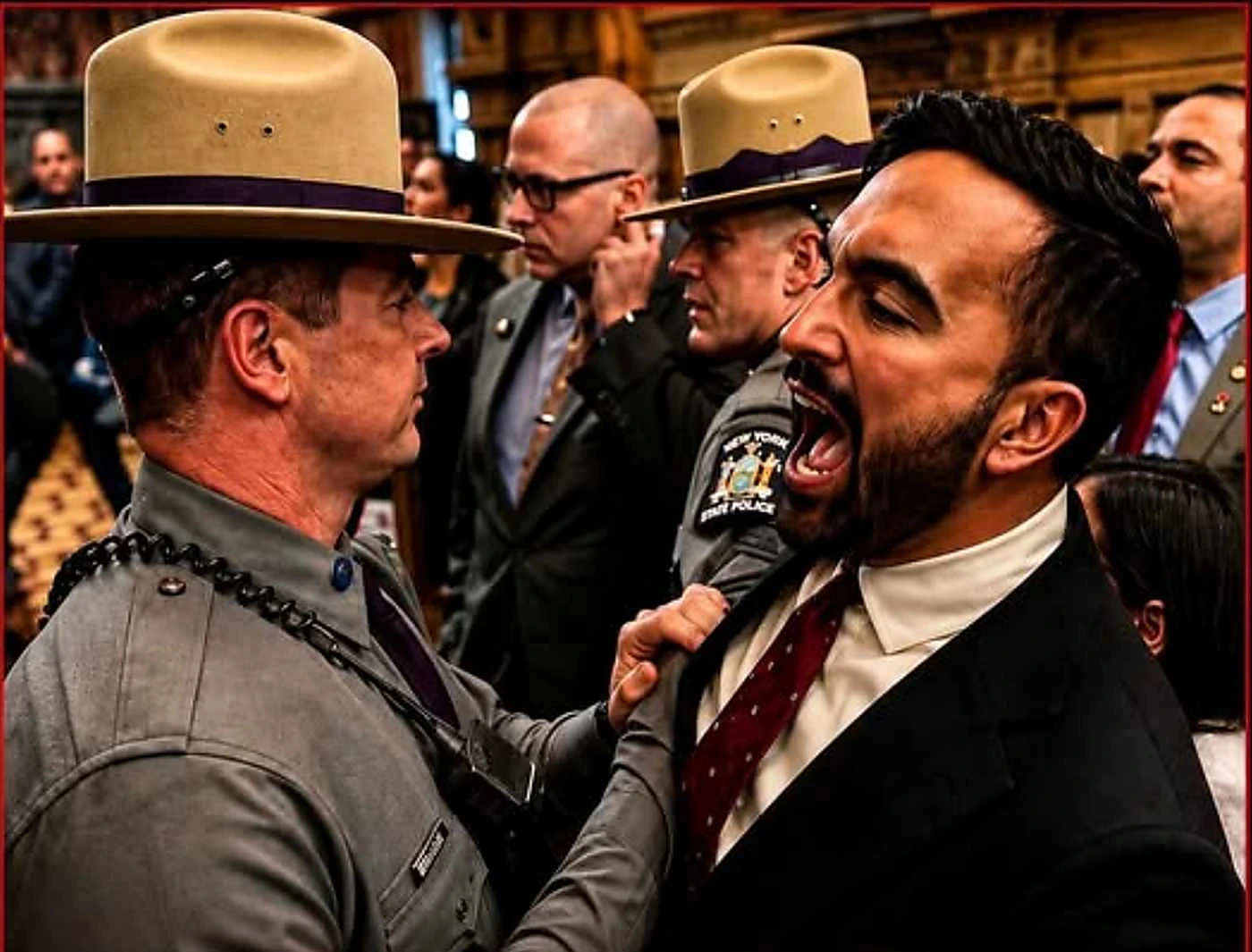
Community Board President Valerie Mason rejected the administration’s tone on the announcement. “There is no victory lap to be taken here or patting on the back. I am disgusted by this press release, ‘put a medal on me’ attitude. There is no applause warranted here,” Mason said. She noted that the affected ZIP codes include Gracie Mansion, the mayor’s official residence, making the disconnect more striking.
While health officials marked the apparent end of new exposures, Mayor Mamdani spent Friday morning in the Bronx photographing himself at a famous film location rather than meeting with affected residents or overseeing recovery efforts. City Councilman Phil Wong directed criticism at the Office of Mass Engagement, a $54 million city office created under Mamdani’s administration. “It’s becoming clear that the Office of Mass Engagement is more interested in political messaging than public engagement,” Wong said. “Governing and keeping New Yorkers informed during a public health emergency is very different from producing campaign-style videos, and this office has been MIA when people actually need it.”
Coleman echoed the complaint about the office’s absence during the crisis. “I don’t think they’re engaging en masse, to be honest. This is the summer. You need to have new people out here. They can be in buildings. Just go and build the lobbies and just give out literature. Come out,” she said.
What This Means
City Council Speaker Julie Menin, who had previously urged faster action, offered a more measured response than other officials. “While I’m pleased by the news that the exposure period has ended, my thoughts remain with the five residents still hospitalized and those for whom it may take weeks or months to recover,” she said in a statement.
The backlash reflects broader questions about how city government communicates during public health crises and whether visible leadership during emergencies affects residents’ sense of safety and trust. The outbreak has exposed gaps between the administration’s claims of engagement and what communities experienced during weeks of heightened risk, uncertainty, and ongoing deaths.



