A federal judge in Manhattan has dismissed journalist Michael Wolff’s preemptive lawsuit against First Lady Melania Trump, rejecting his attempt to block a threatened $1 billion defamation action over statements he made linking her to Jeffrey Epstein.
Judge Mary Kay Vyskocil ruled that Wolff’s case represented inappropriate legal maneuvering and declined to keep the dispute in federal court. The decision clears the path for Trump to pursue her defamation claim in state court under New York law, potentially strengthening her legal position in the underlying dispute.
What Happened
Wolff filed his federal lawsuit in October after receiving a cease-and-desist letter from Trump’s attorney, Alejandro Brito, demanding he retract statements about the First Lady’s alleged connection to the disgraced financier. The journalist’s suit sought to declare those statements protected speech and prevent Trump from suing him—a legal tactic known as a declaratory judgment action.
Judge Vyskocil, appointed by President Donald Trump, dismissed the case while acknowledging both sides have legitimate grievances. “It’s an inappropriate level of tactical gamesmanship,” Vyskocil said from the bench, adding she would not be “drafted to oversee an abusively presented spat.” Though the court had jurisdiction, she elected not to exercise it, directing the case to state court instead.
Brito had moved the case to federal court following Wolff’s October filing. The judge’s decision to return it to state proceedings means Trump’s attorneys can now pursue her defamation claim under New York’s legal framework, which her legal team has argued is more favorable to her position.
The Reaction
A spokesperson for the First Lady said Trump “is proud to continue standing up to, and fighting against, those who spread malicious and defamatory falsehoods as they desperately try to get undeserved attention and money from their unlawful conduct.” Trump’s legal team has previously stated that Wolff’s statements caused her “overwhelming reputational and financial harm.”
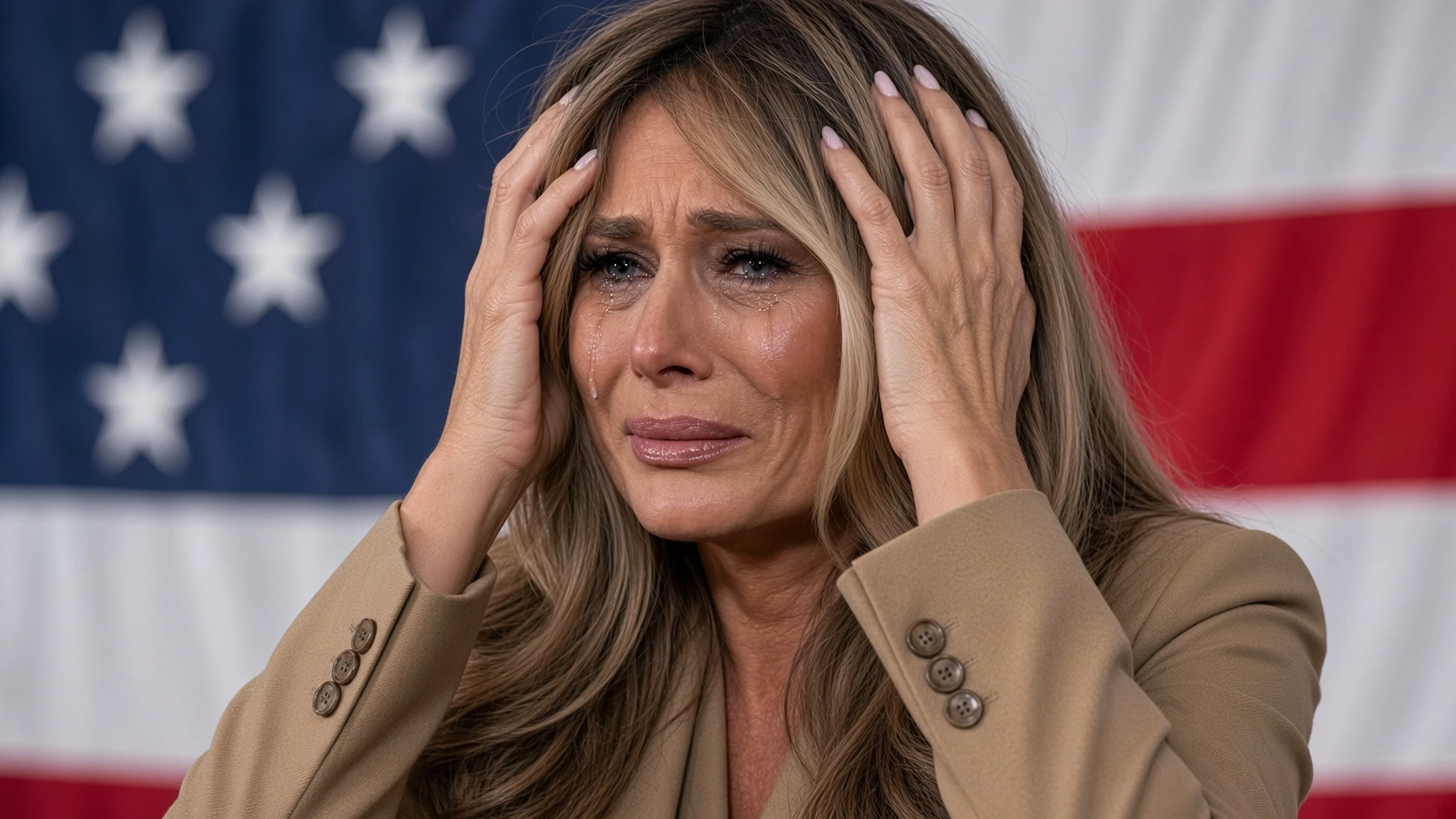
Melania Trump has consistently denied any connection to Epstein, the financier who died in federal custody in 2019 while awaiting trial on child sex trafficking charges. At an April press conference, she stated directly: “The lies linking me with the disgraceful Jeffrey Epstein need to end today.” She characterized those making such claims as “devoid of ethical standards, humility, and respect.”
Wolff contended in his filings that Trump and the President have used costly litigation to “silence their speech, to intimidate their critics generally, and to extract unjustified payments.” He argued certain statements were taken out of context or constituted protected opinion—specifically citing his characterization of the couple’s relationship as a “trophy marriage.” He maintained he never accused the First Lady of criminal involvement in Epstein-related activities.
The Daily Beast retracted an article last summer titled “Melania Trump ‘Very Involved’ in Epstein Scandal: Author,” which had been based on an interview with Wolff. In that interview, Wolff said he had reported the First Lady was working “behind the scenes” on the matter at the White House, but was not criminally implicated.
What This Means
The dismissal eliminates Wolff’s ability to use federal court as a shield against Trump’s anticipated defamation lawsuit. Legal experts note that state court proceedings often provide different procedural advantages and may allow the First Lady greater latitude in discovery and damages calculations under New York law.
Congressional attention has also factored into the broader narrative. Republican Rep. Nancy Mace praised Trump’s public stance, stating “Melania Trump stands with Epstein victims.” Democratic lawmakers including Rep. Robert Garcia called for congressional hearings, suggesting renewed scrutiny of related matters in legislative proceedings.
The ruling leaves the substantive dispute between Trump and Wolff to be resolved through state court litigation, where the First Lady’s legal team can now proceed with its defamation claim on ground of its choosing. Whether either side pursues settlement discussions or proceeds to trial remains uncertain, but the path forward now lies in New York state courts rather than the federal system.



