White House Press Secretary Karoline Leavitt defended the Trump administration’s overhaul of press operations on Tuesday, characterizing the displacement of traditional outlets like the Associated Press from their customary seat in the traveling press pool as a modernization effort rather than a punitive measure against critical reporting.
The exchange between Leavitt and Axios co-founder Mike Allen laid bare a widening institutional clash over presidential access and the role of legacy news organizations in covering the executive branch. At the center of the dispute is whether the fixed 13-member White House press pool should remain anchored by established wire services or be restructured to rotate between a broader array of digital outlets and independent commentators.
The administration has moved to displace the 179-year-old Associated Press from its longtime position within the traveling press corps, a change that has prompted pushback from the White House Correspondents’ Association and prominent media advocates.
What Happened
During the public forum, Allen pressed Leavitt on whether sidelining the AP threatened the historical record, citing photojournalist Evan Vucci’s Pulitzer Prize-winning image of Trump raising his fist after the July 2024 assassination attempt in Butler, Pennsylvania. That photograph, captured under the existing pool structure, underscored the consequence of press access decisions at high-stakes moments.
Leavitt rejected the characterization that the policy restricts press freedom. “I don’t view them as restrictions,” she said, arguing that rotating legacy wire services out of fixed positions creates space for contemporary digital-first outlets that better reflect the modern media landscape. She pointed to the hundreds of journalists holding hard White House credentials and thousands more accredited nationwide, suggesting the current structure artificially privileges a handful of established organizations.
The White House Press Secretary framed the restructuring as a necessary operational update. “The media landscape has transformed completely, and the West Wing press structure should reflect that reality,” Leavitt said, emphasizing that the administration aims to dismantle what it views as legacy privileges rather than penalize critical reporting.
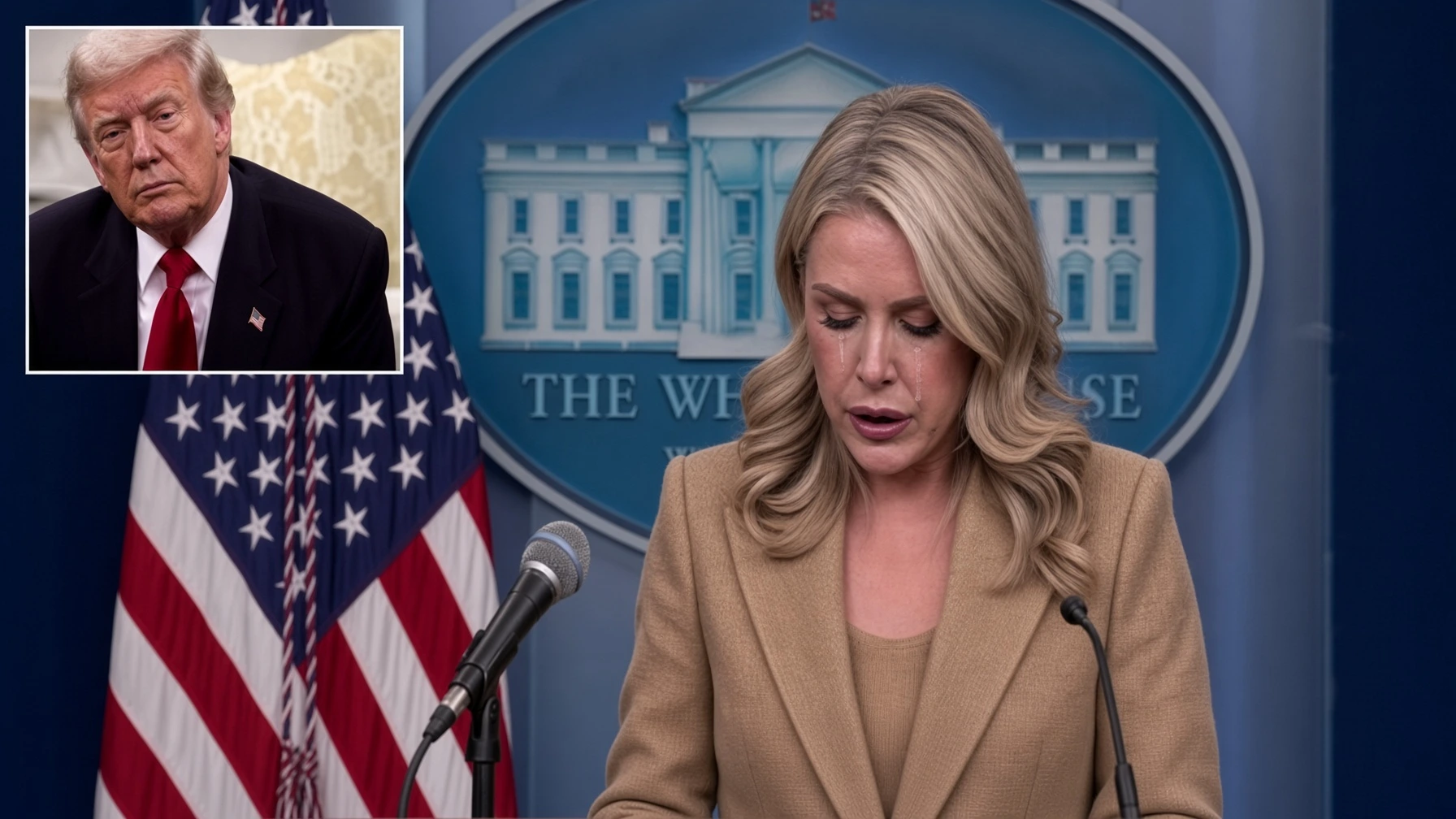
The Reaction
Allen invoked concerns from the White House Correspondents’ Association, the century-old, nonpartisan body that independently manages pool rotations and traveling logistics. The WHCA has maintained a constitutional position that the government should not exercise authority over the journalists tasked with scrutinizing it.
Leavitt directly challenged that institutional framework. She argued that an unelected media board should not hold exclusive power over which journalists board Air Force One or enter the Oval Office during sensitive diplomatic and legislative meetings. Instead, she contended that the executive branch has the authority to curate an expansive environment that distributes access beyond what she characterized as a legacy cartel.
The dialogue also encompassed quantitative measures of presidential accessibility. Allen cited an Axios analysis showing that Trump had conducted 468 combined press conferences and interviews at a comparable point in his term, compared to 164 for former President Joe Biden. Leavitt cited that disparity as evidence of an exceptionally open administration, though media analysts note such figures often conflate formal long-format conferences with impromptu hallway exchanges and radio appearances.
What This Means
The dispute signals a substantial institutional shift in how the executive branch manages journalist access and shapes media operations. Press freedom advocates contend that government-curated pools invite ideological favoritism, allowing administrations to reward sympathetic outlets while excluding rigorous watchdogs. The administration counters that its media strategy reflects a necessary reckoning with an outdated press structure that no longer serves a fragmented, digital-first news ecosystem.
As traditional news bureaus defend established protocols, the White House’s actions indicate that access to the presidency is increasingly discretionary and subject to evolving administrative preferences about which outlets and journalists merit proximity to the commander in chief.



