Donald Trump suggested during a public appearance that press regulations and coverage standards could change under his leadership, marking an unprecedented direct challenge to media independence captured on camera.
The statement came amid ongoing tensions between Trump and major news organizations over coverage and editorial standards. Trump did not elaborate on specific policy proposals but indicated that his administration would take a different approach to how news outlets operate.
What Happened
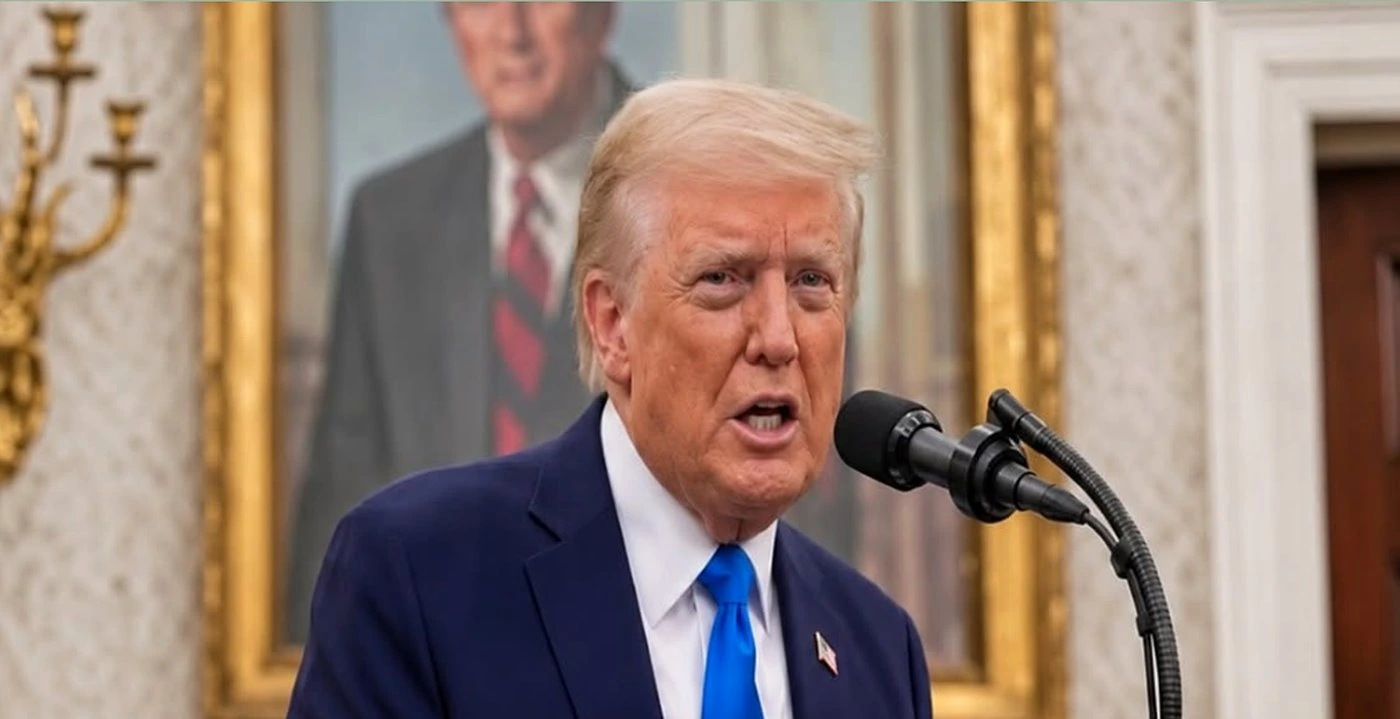
Trump made the comments to reporters gathered for a public event, saying “the press is going to change,” according to multiple accounts of the exchange. The remark came without advance warning and was delivered in his typical direct manner. Several journalists present immediately recognized the statement as distinct from his previous criticism of media coverage, which has typically centered on claims of bias rather than structural changes to press operations.
The comment sparked rapid discussion among newsroom leadership about what such changes might entail. Some media analysts noted that direct statements about altering press regulations represent a departure from standard presidential rhetoric, which typically avoids explicit threats to institutional independence.
The Reaction
Press freedom organizations issued statements emphasizing the constitutional protections that govern news operations. The First Amendment protects journalists from government interference in editorial decisions, though regulatory bodies do oversee certain broadcast standards. Major newsrooms began coordinating responses, with editorial boards publishing pieces on the historical importance of an independent press.
Media watchers highlighted the significance of the public nature of the threat. “When these things are said openly, in front of cameras, it changes the conversation,” one media analyst said. The statement prompted discussions at news conferences and among journalism schools about how the profession should respond to direct pressure from political leadership.
What This Means
The moment raises questions about the boundaries of acceptable political speech regarding institutional independence. Presidents have criticized media coverage throughout American history, but explicit suggestions about altering how news organizations function mark a different category of statement. Legal experts noted that any actual attempt to regulate editorial decisions would face immediate constitutional challenges.
The incident underscores ongoing debates about press-government relations in an era of political polarization. Newsrooms are reassessing protocols for both covering such statements and protecting their operational independence. The constitutional framework governing press freedom remains unchanged, but the open discussion of potential modifications signals intensifying pressure on how journalism operates within American democracy.



