Lara Trump, the former president’s daughter-in-law, was confirmed as co-chair of the Republican National Committee in North Carolina on Monday, cementing Trump family control over the party’s operations ahead of the 2026 midterm cycle.
The appointment represents a formal consolidation of power within GOP leadership. Lara Trump, who has served as a prominent surrogate and fundraiser for the Trump political operation, now holds direct authority over party strategy, donor relations, and field operations alongside other RNC leadership.
What Happened
The confirmation took place during an RNC meeting in North Carolina, where party officials formally voted to elevate Lara Trump to the co-chair position. The vote was described as swift, with minimal opposition from the assembled delegates and state party leaders present at the gathering.
Lara Trump’s portfolio extends beyond traditional fundraising roles. As co-chair, she will have influence over messaging priorities, candidate recruitment strategies, and the allocation of party resources across competitive races nationwide.
The Reaction
Trump allies characterized the appointment as a natural progression for someone who has already demonstrated organizational capacity within the political ecosystem. “She understands the mission and has earned this through years of dedication,” one senior GOP operative said of the confirmation.
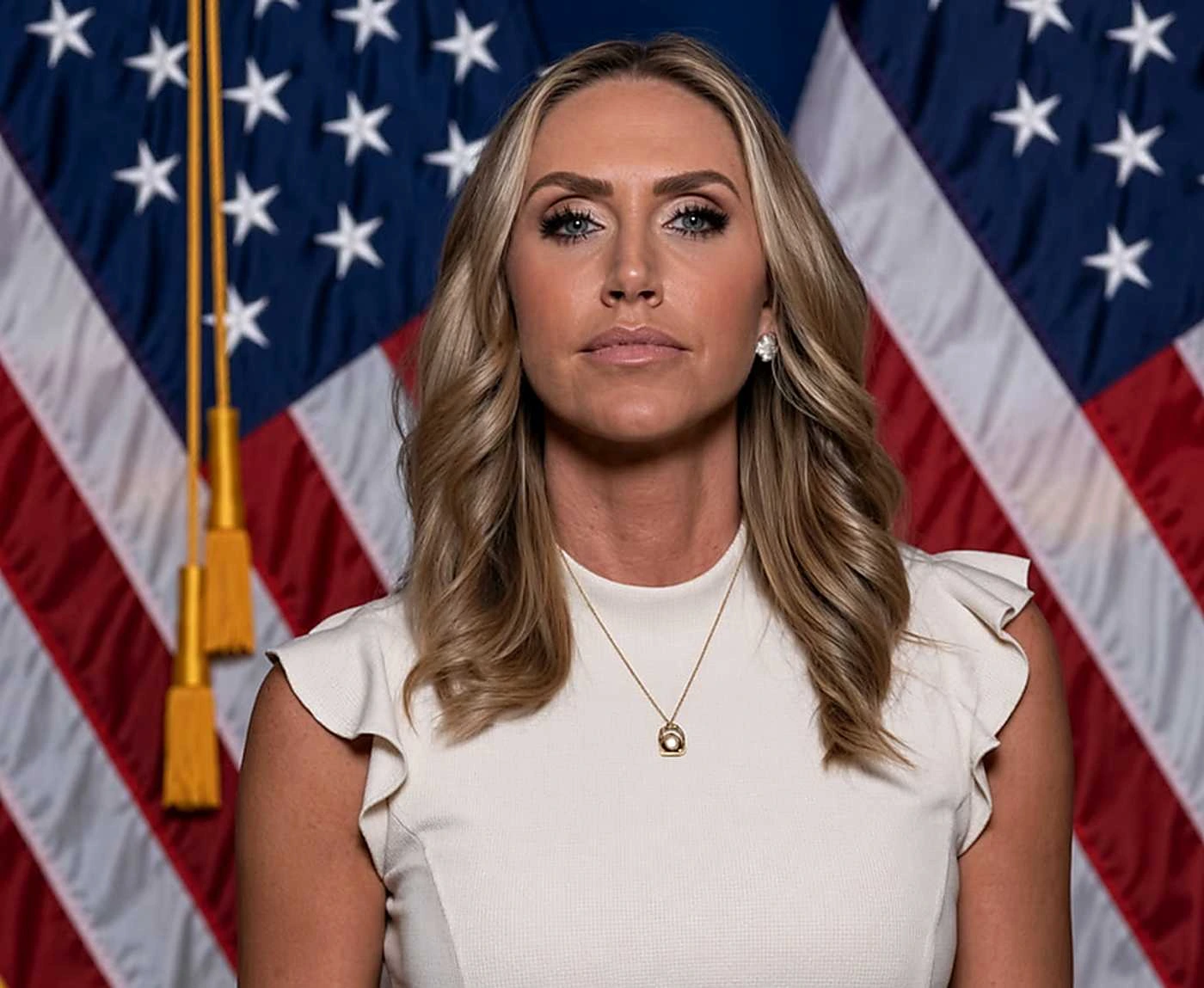
Among some Republicans, the move sparked internal debate about party independence from any single political figure or family. Critics within GOP circles expressed concern that the appointment accelerates what they view as the merger of Republican Party infrastructure with Trump family political interests.
Democratic strategists pointed to the confirmation as evidence that Republican leadership is unified around Trump heading into the midterm elections, potentially signaling organizational advantages for GOP candidates in contested races.
What This Means
The confirmation places Lara Trump at the center of Republican campaign strategy and donor networks during a crucial election cycle. Her authority over messaging and resource allocation will shape how the party responds to major political developments over the next two years.
For the Trump political organization, the appointment formalizes what has been an informal arrangement—direct influence over the machinery of the Republican National Committee. This consolidation of control affects how the party prioritizes races, responds to opposition research, and coordinates fundraising efforts.
The move also signals how Republican leadership structures itself heading into 2026, with party officials signaling that alignment with the Trump brand and family remains a central organizing principle for GOP operations moving forward.



