Democratic Representative Adam Schiff and Republican Steve Garvey, a former Los Angeles Dodgers star, advanced from California’s primary election, securing their positions for a November general election battle over the U.S. Senate seat left vacant by the death of Senator Dianne Feinstein.
Schiff’s first-place finish in the primary sets him on a clear path to the Senate in solidly Democratic California, while Garvey’s second-place showing means Republicans face an uphill climb in the state. The race will determine who fills Feinstein’s seat, which had been held by appointed Senator Laphonza Butler, who chose not to seek a full term.
The primary field included several high-profile Democrats vying for the nomination. Representative Katie Porter, who attempted to bridge mainstream and progressive elements within the party, finished behind both Schiff and Garvey. Representative Barbara Lee, a progressive favorite from the Bay Area, also competed in the crowded Democratic field.
What Happened
Schiff secured a commanding lead in the primary, running as a centrist Democrat with national profile from his work on impeachment matters during the Trump administration. His performance reflected broad appeal across California’s urban and suburban centers, where Democrats maintain significant voter registration advantages.
Garvey, who won the World Series as a Dodgers infielder in 1981, emerged as the top Republican finisher despite the state’s Democratic lean. His campaign positioned him as an outsider willing to challenge establishment politics and address what he characterized as California’s economic decline.
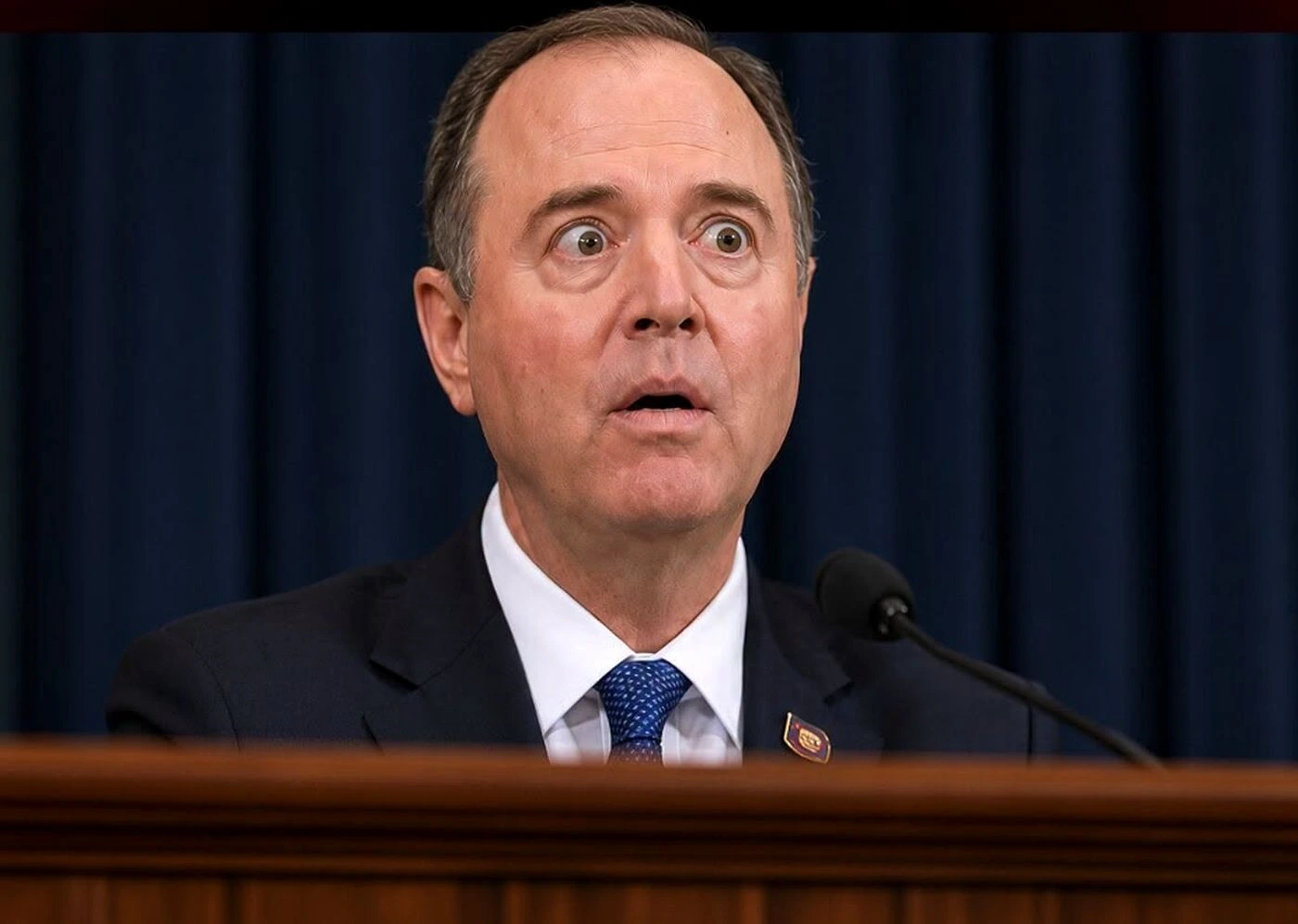
The Reaction
Garvey has framed his campaign around revitalizing California’s economy and addressing inflation affecting working families. “What I’ll focus on is getting back to free market capitalism that will target small businesses,” he said during his candidacy, emphasizing that business formation has declined as entrepreneurs leave the state.
The former first baseman, who played 14 seasons for the Dodgers and five for the San Diego Padres, emphasized his background in team building as relevant to Senate work. “I woke up one morning and decided to see if there’s a pathway to run for the U.S. Senate,” Garvey explained of his entry into politics, noting he had searched for established candidates aligned with his values but found none.
Garvey stated his intent to build relationships across the Senate if elected, planning to meet individually with other senators on his first day. He also highlighted California’s historical economic strength, describing the state as once the “heartbeat of America” but now reduced to a “murmur” by financial pressures and safety concerns.
What This Means
The general election will pit California’s deep Democratic advantage against Republican efforts to make inroads in traditionally blue regions. Schiff’s path to victory appears substantially easier given voter registration numbers, though Garvey’s celebrity status and outsider positioning may generate unexpected engagement in some communities.
The race also represents a significant shift in California’s Senate representation. For the first time in recent years, neither finalist is a woman, marking a departure from the state’s recent history of female Senate leadership. The winner will serve the remainder of Feinstein’s term and any subsequent full terms, making this election consequential for California’s voice in national politics for years ahead.



