President Donald Trump broke a years-long boycott of CNN on July 12, 2026, to honor Senator Lindsey Graham following his death, then told the network he intends to guide it toward what he called a “normal path,” in remarks that immediately sparked debate over media independence and White House influence.
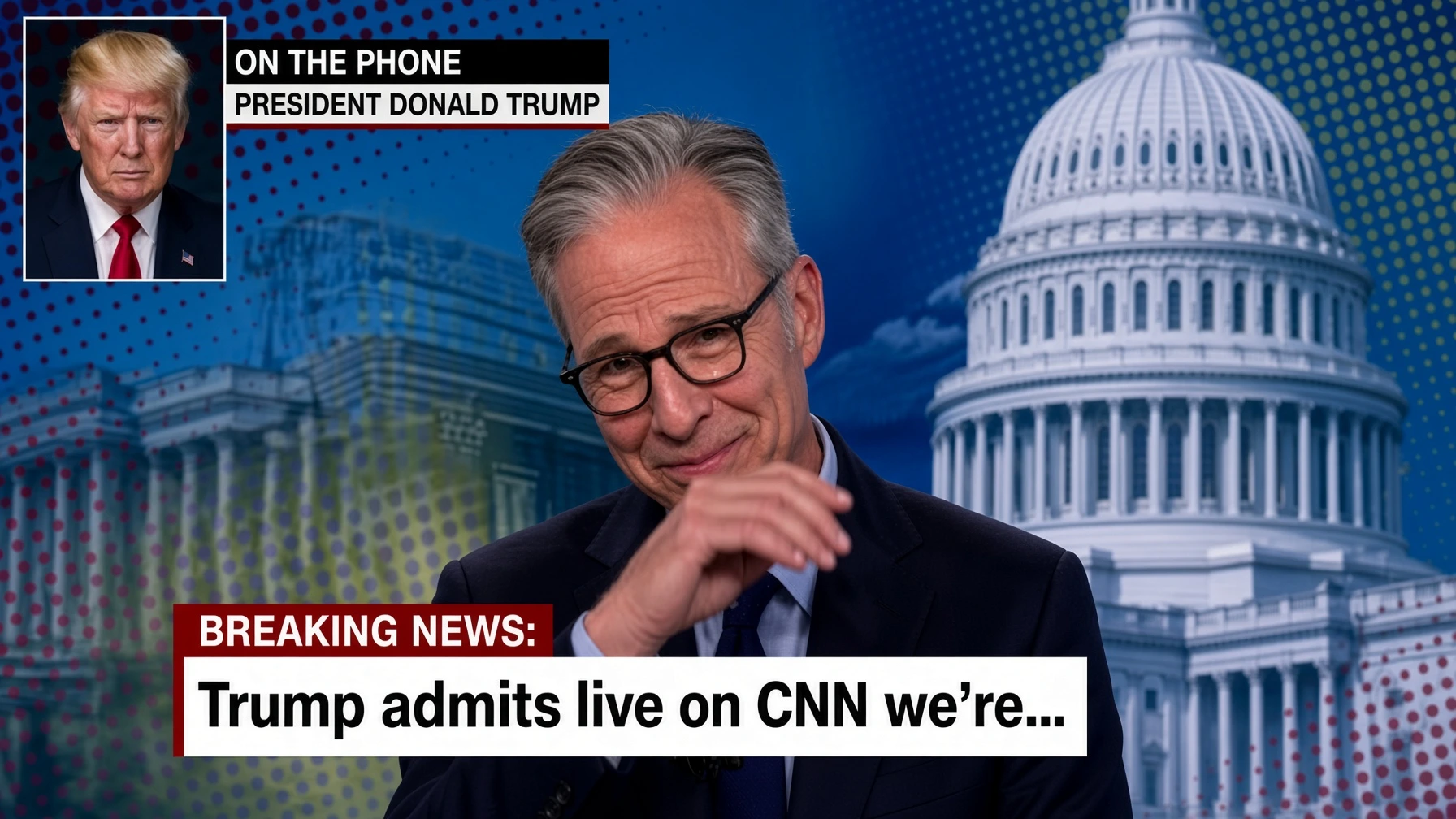
Trump called into CNN’s flagship Sunday program, State of the Union, for a brief tribute to the South Carolina Republican and longtime political ally. The exchange, conducted with anchor Jake Tapper, lasted only minutes but concluded with Trump’s unscripted statement about the network’s editorial direction, reigniting longstanding tensions between the president and the news organization.
What Happened
Tapper steered the conversation toward Graham’s legislative record and impact on Republican politics. When the anchor attempted to move into broader topics, including the mounting tensions with Iran, Trump declined to engage, saying he wanted to focus solely on his “great friend” Graham out of respect for the moment.
As the call wound down, Tapper extended a standard invitation for Trump to return for a fuller discussion. Trump agreed to do so. But before disconnecting, the president offered his assessment of CNN’s current standing.
“We’re trying to have CNN go on a normal path,” Trump said. “And we will do that.” Tapper responded by defending the network’s work: “Well, I’m on a normal path right here, sir, and I appreciate your time.” Trump replied, “Good. You are,” before the line ended.
The Reaction
The exchange immediately circulated through political and media circles, drawing scrutiny not for its substance but for its implications. Trump has maintained a contentious relationship with CNN for years, regularly branding it “fake news” and positioning it as a central example of media bias in his public rhetoric.
The statement itself contained no specifics. Trump did not describe what editorial changes he sought, outline any mechanism for White House action, or detail the policies he views as off-course. This ambiguity has left analysts and lawmakers to interpret what “normal path” might mean in practice.
The timing of Trump’s remarks carries added weight given CNN’s corporate landscape. Warner Bros. Discovery, CNN’s parent company, faces significant structural change. The Justice Department cleared a proposed $110 billion acquisition combining Warner Bros. Discovery with Paramount Skydance in June 2026, a deal that would place CNN and CBS News under single ownership for the first time.
As part of the regulatory settlement, Paramount Skydance CEO David Ellison agreed to establish a five-member editorial independence board intended to safeguard journalistic standards at both networks. Media analysts have questioned whether such a board, whose members would maintain corporate ties, could provide effective oversight if faced with pressure from a White House openly skeptical of press independence.
What This Means
The July interaction underscores the paradoxical dynamic between Trump and CNN. Despite years of public criticism, Trump was willing to appear when doing so served his narrative regarding a key political ally. CNN, in turn, continued to interview him, affirming its commitment to covering a figure who has repeatedly challenged its operational independence.
The phrase “normal path” remains unefined, serving as interpretive ground for competing narratives about media control and editorial autonomy. Trump’s allies may view it as a call for balanced coverage, while critics see it as an expression of intent to influence newsroom decisions during a period of significant corporate transition.
For CNN, the moment arrives as corporate consolidation reshapes the media landscape and a skeptical administration prepares for the years ahead. The network operates under heightened scrutiny regarding how it will maintain independence under new ownership while navigating a political environment in which media institutions face unprecedented challenge.



