Iran’s Islamic Revolutionary Guard Corps fired multiple ballistic missiles at U.S. military installations across the Middle East on Tuesday evening, but all projectiles were intercepted by American air defense systems, prompting an immediate coordinated military response from the United States and Saudi Arabia targeting Iranian proxy infrastructure in Iraq.
U.S. Central Command confirmed the attack and the subsequent interception in rapid succession, releasing two statements that outlined the scope of the engagement and the allied response. The ballistic missile launch marked an escalation in Iran’s direct military actions against American forces operating in the region, occurring while diplomatic negotiations between the nations remained ongoing.
What Happened
The Iranian ballistic missile barrage arrived at 5:45 p.m. Eastern time, directed at U.S. military positions across the Middle East. CENTCOM confirmed in its initial statement that air defense systems successfully intercepted all inbound missiles, with no damage reported to American installations or personnel. “U.S. forces remain vigilant and at a high state of readiness,” the command said in its assessment.
Within hours, American and Saudi Arabian fighter aircraft launched precision strike operations across eastern Iraq. The strikes targeted logistics facilities and weapons caches operated by Iranian-directed militia groups that had conducted more than 30 drone attacks on U.S. and allied positions in the preceding 72 hours. CENTCOM stated that the strikes focused on “IRGC-directed terrorist logistics and weapons sites” responsible for the sustained campaign of smaller attacks.
The Reaction
The coordinated U.S.-Saudi response reflected months of escalating Iranian proxy activity across Iraq. Between February and April 2026 alone, Iran-aligned militia groups conducted more than 600 attempted attacks targeting American personnel and facilities, according to U.S. military accounts. These operations had expanded beyond isolated incidents to represent a systematic campaign directed and equipped by Iranian Revolutionary Guard leadership.
Saudi Arabia’s direct participation in the strike operations marked a significant shift in regional military cooperation. Saudi fighter aircraft flew alongside American planes, signaling Riyadh’s decision to respond militarily to Iranian proxy threats against Saudi energy infrastructure. The joint operation demonstrated active coordination between the two nations in confronting Iranian-directed regional destabilization efforts.
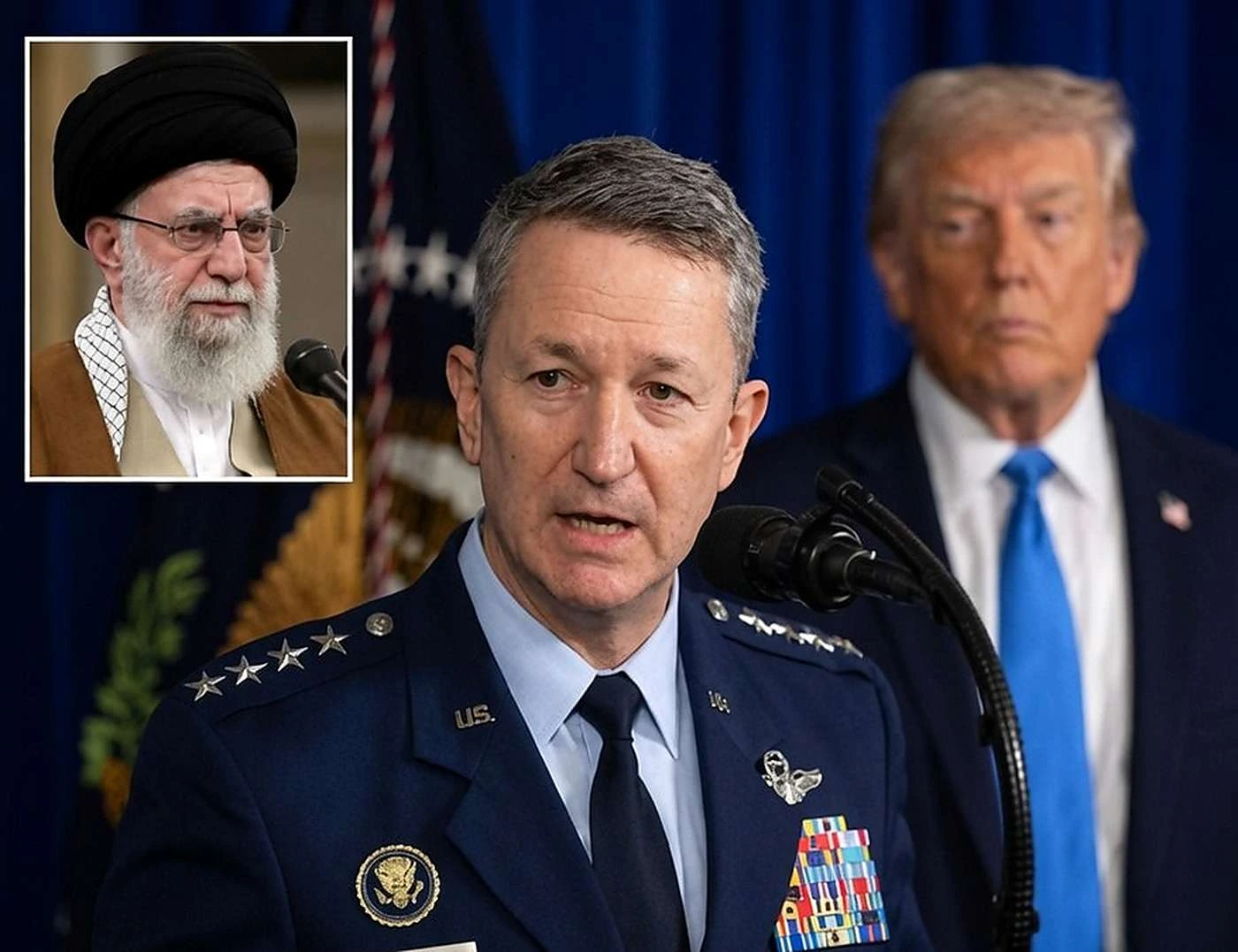
The timing of the Iranian attack occurred during a period when both nations were engaged in diplomatic discussions. Iran’s direct ballistic missile strike came as negotiations continued regarding sanctions relief and other bilateral matters, presenting what American officials characterized as a contradiction in Tehran’s approach to ongoing talks.
What This Means
The Tuesday sequence of events—detection of inbound missiles, successful interception, followed by immediate strike operations on proxy infrastructure—illustrated the operational tempo of American military response to Iranian actions. CENTCOM issued a direct warning that additional attacks would trigger further military responses, establishing a clear threshold for escalation.
The inclusion of Saudi Arabia as an active strike partner represented a departure from previous years of proxy-based conflict in the region. Rather than limiting its role to basing access or intelligence sharing, Riyadh demonstrated willingness to conduct joint offensive operations alongside U.S. forces against Iranian-directed targets. This coordination suggested a more unified regional approach to countering Iranian military expansion and proxy operations.
The sustained Iranian campaign of over 600 attacks in three months, combined with Tuesday’s direct ballistic missile launch, underscored the scope of military pressure American forces faced in the region. The rapid U.S. and Saudi response indicated an operational framework designed to impose immediate costs on Iranian actions while negotiations proceeded. Future Iranian decisions regarding further strikes would occur within this established pattern of swift military consequence.



