Unverified claims that former President Donald Trump was shot again in Washington, D.C. spread across social media Tuesday, but the U.S. Secret Service, federal authorities, and major news organizations have reported no confirmation of such an incident.
The posts began circulating widely by midday, with alarming language triggering rapid sharing and discussion among Trump supporters and critics. Within hours, however, official silence and absence of corroborating reports from established news outlets suggested the claims had no factual basis.
What Happened
Unverified social media accounts and private messaging groups posted claims that Trump had been attacked in the nation’s capital, using urgent language designed to capture attention. The posts spread quickly across platforms, generating speculation and concern among followers. No statement from the Secret Service, no hospital alert, and no emergency services dispatch confirmed any shooting or attack on Trump or anyone else in the incident described.
Major domestic and international news organizations—which typically report security incidents involving former presidents within minutes—published no stories supporting the viral claim. Federal law enforcement remained publicly silent, a standard indicator that no credible emergency had occurred. The absence of these routine official responses effectively contradicted the social media narrative.
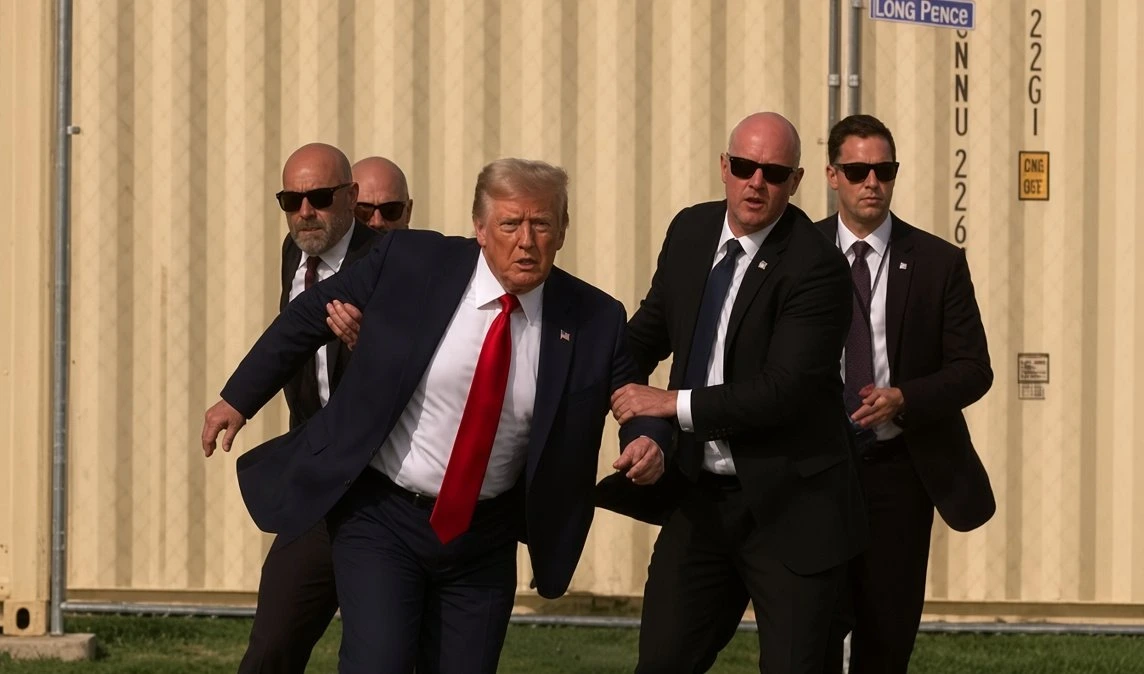
Analysis of the viral posts traced their origins to accounts without established credibility and closed groups where sensational language often appears without supporting evidence. Several versions of the claim relied on recycled or out-of-context imagery paired with inflammatory captions.
The Reaction
The false claim prompted immediate concern among Trump’s political base and triggered skepticism from others familiar with recent patterns of election-cycle misinformation. Social media users shared warnings about verifying information before reacting, while fact-checkers began documenting the posts’ origins and baseless nature.
Security officials noted that such false alarms create operational strain, requiring response resources to investigate rumors when actual threats demand attention. The incident also drew renewed attention to the difference between the real assassination attempt Trump survived in Butler, Pennsylvania, in 2024—a documented event that reshaped his security protocols—and unconfirmed viral claims.
What This Means
The episode underscores how quickly false narratives about political figures can spread when social platforms amplify unverified content. Misinformation targeting high-profile individuals remains a persistent challenge, particularly during periods of national tension or election activity, with deliberately sensational wording designed to trigger emotional responses rather than inform.
Official guidance from federal agencies continues to recommend reliance on established news outlets and confirmed government statements for developments involving national security. As digital platforms enable single posts to reach millions instantaneously, distinguishing verified reporting from viral rumor remains a critical skill for public discourse.



