Georgia voters cast 188,667 ballots on the first day of early voting Tuesday, shattering the previous midterm record and demonstrating robust engagement heading into pivotal statewide races.
Republican Secretary of State Brad Raffensperger reported the figure, which surpassed the 2022 opening-day total of 134,962 votes by nearly 40 percent. The 2018 midterm election saw only 70,849 in-person votes cast on its opening day, making Tuesday’s turnout a striking acceleration in early participation.
Counties across Georgia reported manageable processing times despite the surge. In Cobb County, which recorded 16,392 voters at 13 early voting locations, average check-in times averaged approximately one minute and sixteen seconds, with the busiest site processing 808 ballots.
What Happened
The opening day of early voting reflected sustained voter interest in a state with more than 7.5 million active voters. Additional data from October 15 showed in-person totals approaching 365,000, alongside more than 16,000 accepted absentee ballots, indicating the initial momentum continued beyond the first day.
Election officials attributed the orderly operations to preparation and staffing decisions made ahead of the anticipated demand. “This record-breaking turnout proves that voters have confidence in the integrity of our elections,” Raffensperger said in a statement, describing the surge as evidence of public trust in Georgia’s election administration and its local election workers.
Georgia’s early voting period extends through October 30, with Saturday voting scheduled for October 17 and October 24. Some counties are offering optional Sunday voting, and the deadline to request an absentee ballot is October 23, with Election Day set for November 3.
The Reaction
State officials project overall turnout could approach or exceed the previous midterm benchmark of nearly four million voters. The robust opening-day participation signals strong engagement across Georgia’s electorate, though early voting totals alone cannot determine which party will benefit, since ballots remain secret until tabulation.
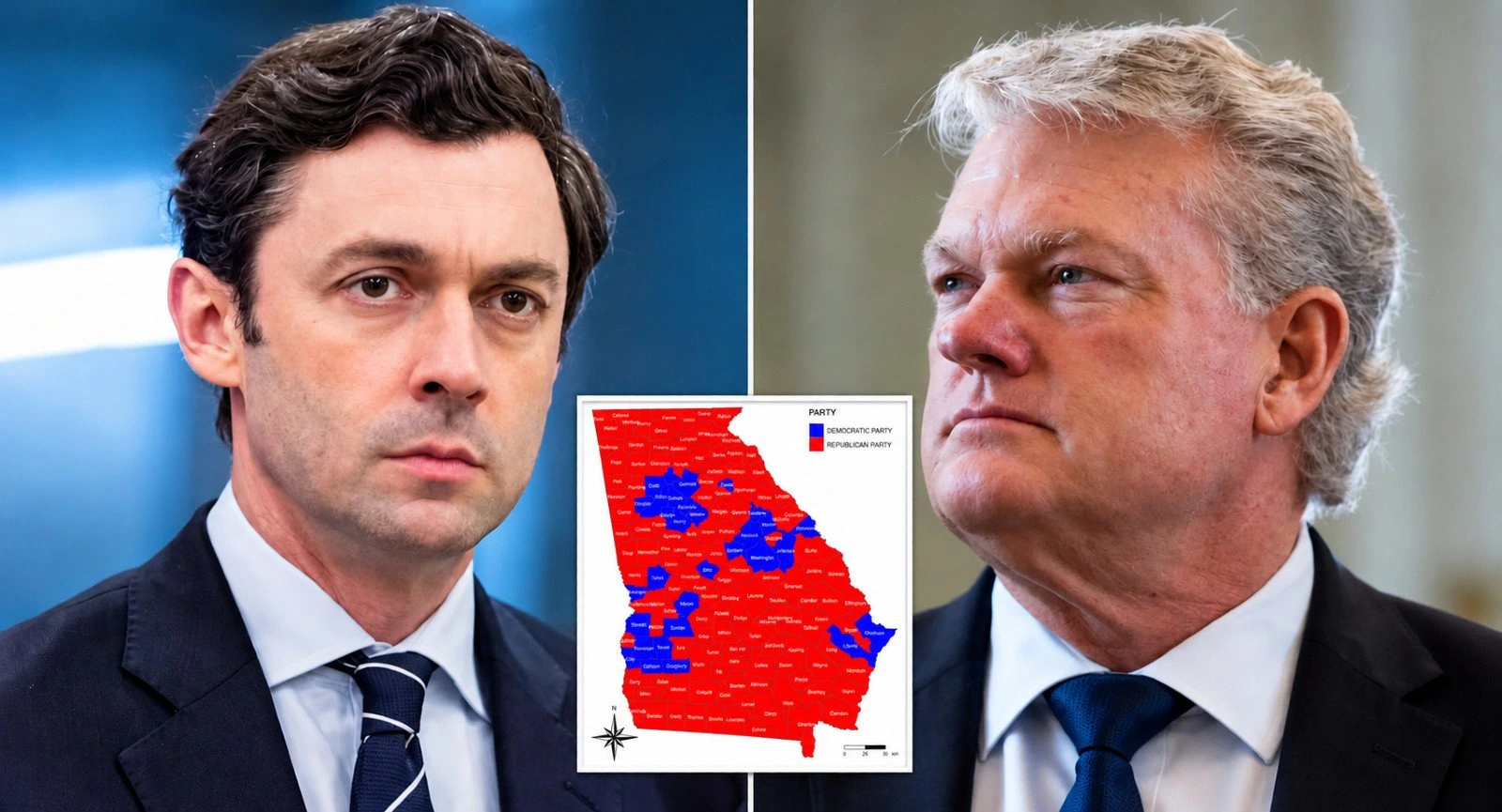
Both Republicans and Democrats are competing intensely for voters in a state that has become central to national political outcomes. Congressman Mike Collins is challenging incumbent Democratic Senator Jon Ossoff in a race drawing national attention, while an open gubernatorial contest between Republican businessman Rick Jackson and former Atlanta Mayor Keisha Lance Bottoms is also commanding considerable resources and focus.
Additional statewide races include contests for lieutenant governor, attorney general, secretary of state, congressional seats, and legislative representation. These elections will influence Georgia’s approach to taxation, public safety, education, and election administration.
What This Means
The early voting surge underscores the strategic importance Republicans and Democrats place on voter mobilization in suburban counties, where closely divided electorates frequently determine statewide outcomes. Cobb County’s substantial first-day participation exemplifies the metropolitan-area engagement both parties have prioritized.
Raffensperger’s emphasis on election integrity and voter confidence reflects ongoing political attention to how Georgia administers its elections and whether residents trust the system. The opening-day record provides a baseline for tracking whether overall participation continues on its current trajectory through the close of early voting.
Georgia’s competitive political environment—where presidential results in recent cycles have shifted between parties by narrow margins—means turnout patterns and demographic participation will likely influence final outcomes. The convergence of high-profile Senate and gubernatorial contests, combined with the state’s historical role in close national elections, has positioned Georgia as a focal point for campaign attention and resource allocation heading into the final weeks before November 3.



