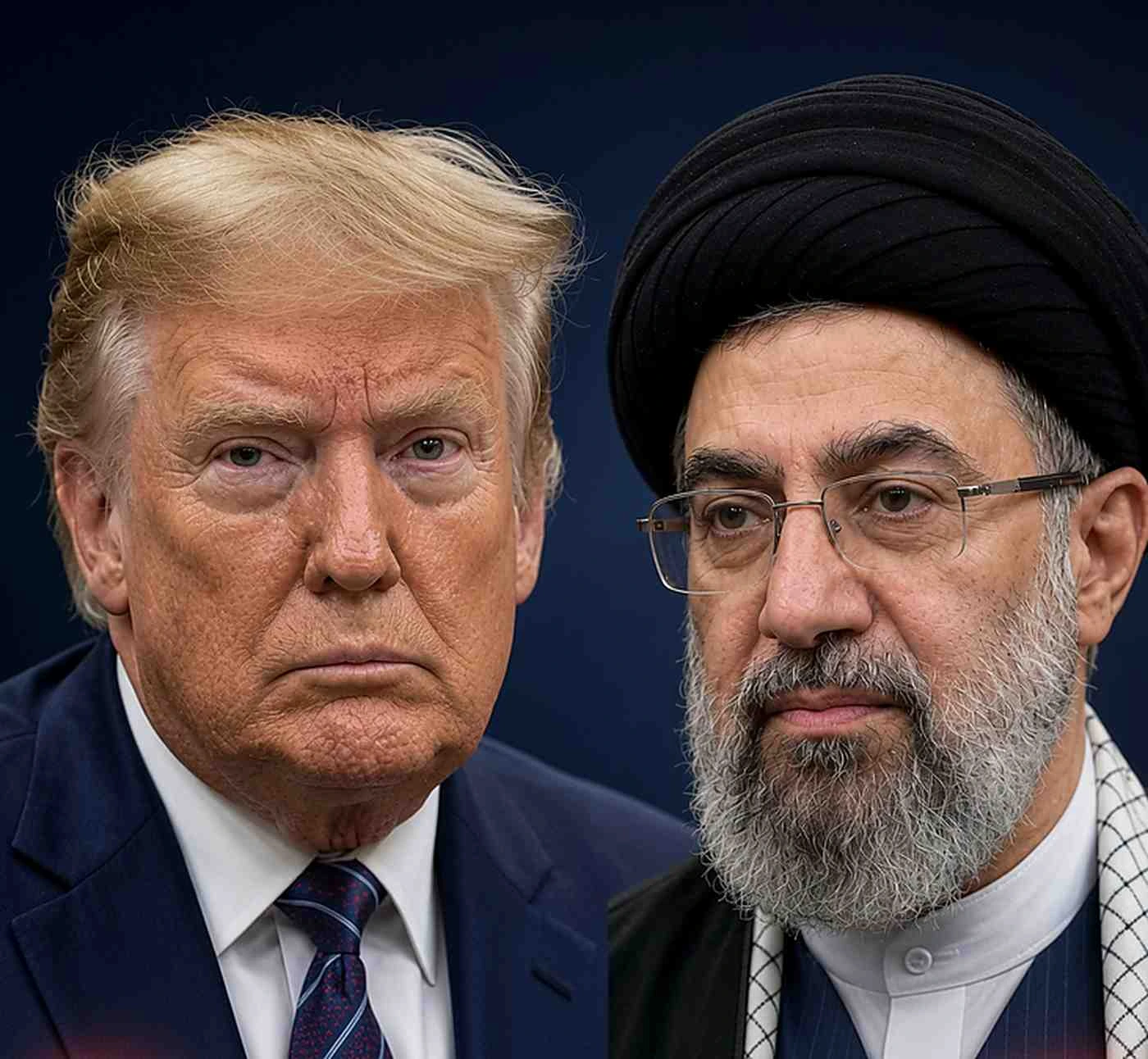
The US House of Representatives approved a $95 billion defense funding package on July 22, 2026, with $73 billion earmarked for military operations against Iran, extending the duration of ongoing conflict after a decade of sustained strikes prompted scrutiny from lawmakers over spending and sustainability.
The funding bill passed by a narrow margin of 216 to 214 votes and moved to the Senate for consideration. The measure represents a critical moment for the US military’s ability to maintain operations in the Middle East, as defense officials had previously warned that operational funds could deplete by late July without congressional action.
What Happened
The House vote came after months of escalating military operations against Iran that drew mixed reactions from Capitol Hill. Over the preceding weeks, the US had conducted successive rounds of strikes that prompted Pentagon officials to outline funding constraints publicly, warning that without supplemental appropriations, the military would face cash shortfalls within weeks.
The $95 billion package distributes resources across multiple priorities: $73 billion supports armed forces and intelligence agencies specifically for operations related to Iran, $12 billion addresses economic disruption from trade policies, and $10 billion funds election-related programs. The narrow passage reflected internal divisions within the House, with Democrats voicing concerns about the scale of military spending and its long-term fiscal impact.
Defense Secretary Pete Hegseth had faced direct questions from congressional members about fiscal efficiency and operational necessity. Critics questioned whether the funding represented the most effective use of taxpayer resources or reflected mission creep in an ongoing conflict with no defined endpoint.
The Reaction
Opposition to the funding centered on two main concerns: the financial sustainability of extended military operations and the domestic political consequences. Democrats in Congress highlighted the economic pressures facing American households, noting that extended military operations contributed to broader inflation concerns, particularly in energy markets.
Experts had previously identified two factors limiting the military’s operational window: the rate of cash depletion for day-to-day operations and mounting political pressure from an American public fatigued by indefinite military commitments. The closure of critical shipping routes by Iran had driven energy prices higher, compounding domestic economic anxiety ahead of electoral cycles that could shift congressional composition and policy priorities.
What This Means
The approved funding extends the military’s operational timeline substantially. Military analysts estimate the resources now allow sustained operations for several months at current intensity levels, with some scenarios suggesting operations could continue for over a year depending on tactical scale and resource consumption rates.
The passage reflects political calculations about military commitments versus fiscal constraints and public sentiment. The narrow House vote suggests future funding requests may face similar resistance as operational costs accumulate and domestic priorities compete for resources, shaping decisions about the conflict’s long-term trajectory.



