Former President Donald Trump has been indicted on federal criminal charges related to his conduct following the 2020 presidential election, making him the first former U.S. president to face federal prosecution for alleged actions taken after leaving office.
The Department of Justice indictment centers on actions prosecutors say Trump undertook in the aftermath of the election and the certification of its results. The charges carry significant constitutional implications, as they raise novel questions about the scope of presidential authority and the application of federal criminal law to a sitting or former chief executive.
What Happened
The indictment alleges that Trump engaged in multiple actions designed to interfere with the constitutional election certification process. Prosecutors contend he communicated with government officials, coordinated the organization of alternate slates of electors in certain states, and sought to influence the Electoral College vote certification by Congress on January 6, 2021.
According to court documents, these alleged activities extended beyond protected political speech into criminal conduct intended to obstruct the official election process. The charges represent an unprecedented legal challenge involving a former president and post-presidency conduct.
The allegations are rooted in the period immediately following the 2020 election, when Trump and his associates mounted legal challenges to the results across multiple states. Courts rejected these lawsuits, and election officials from both parties found no evidence of widespread fraud that would have altered the outcome.
The Reaction
Trump has consistently denied the allegations and pleaded not guilty. His legal team argues that his actions constituted lawful political advocacy and that he was exercising constitutionally protected rights to challenge the election through legal and political means.
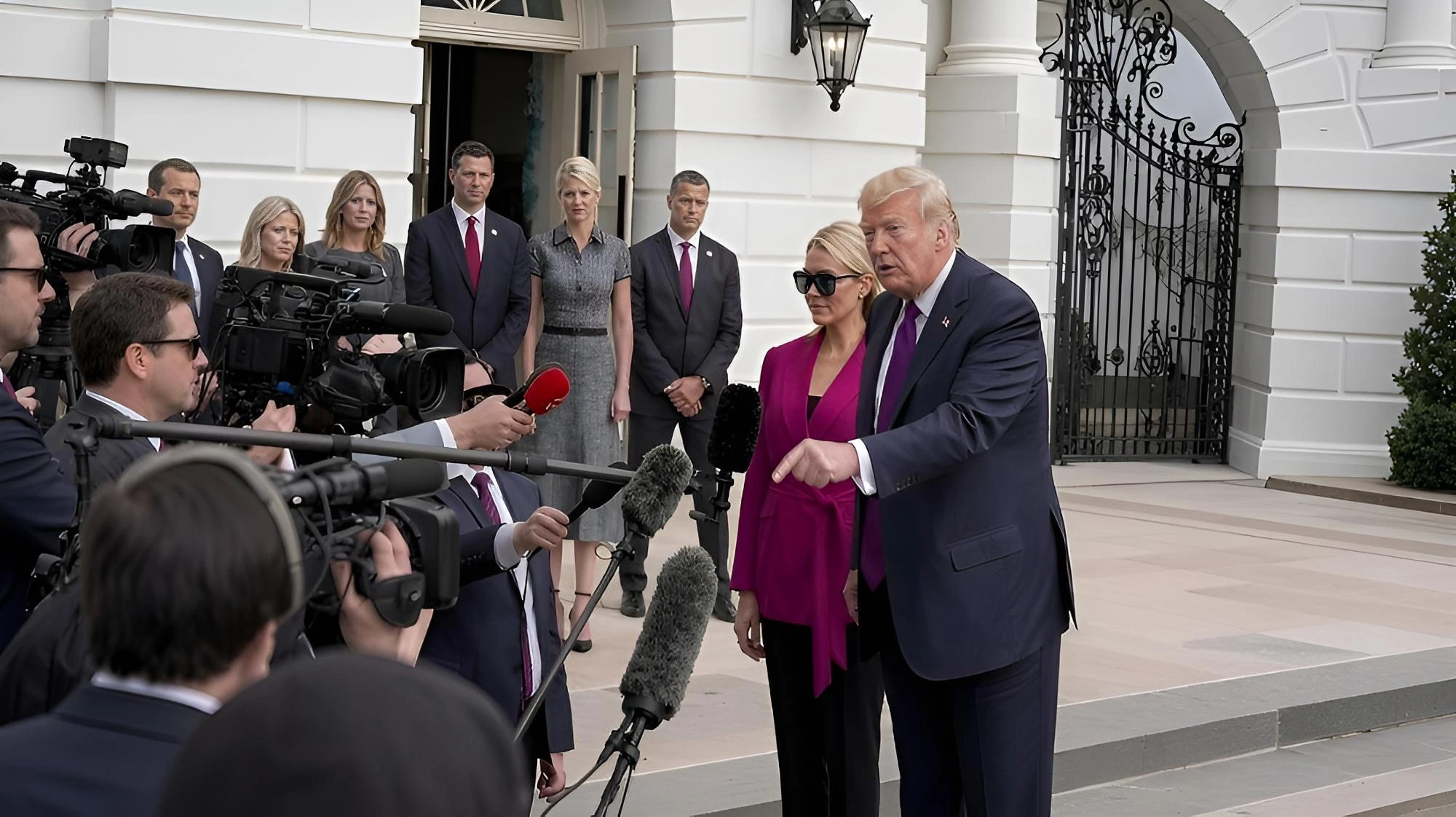
Responses to the prosecution have split sharply across political lines. Supporters of the case argue it demonstrates that no individual, regardless of prior office, stands above the law. Opponents contend the prosecution raises concerns about the criminalization of politics and its potential chilling effect on future administrations.
“This case raises historic constitutional questions,” said legal experts familiar with the proceedings. The litigation has generated sustained national debate about the balance between presidential power, democratic accountability, and the rule of law.
What This Means
The proceedings will address several unprecedented legal questions. Courts will examine the scope of presidential authority, the application of federal criminal statutes to former executives, and the constitutional protections available to elected officials during and after their terms.
The case involves complex pretrial motions, evidentiary disputes, and constitutional challenges that will likely take months to resolve. Witness testimony, expert evidence, and legal arguments will shape how courts interpret presidential power in the criminal context.
As litigation continues, the outcome will influence legal scholarship and constitutional interpretation for years. Regardless of the final verdict or any appellate decisions, the case represents a watershed moment in American political and legal history, prompting renewed examination of how democratic institutions balance executive authority with individual accountability under law.



