The Islamic Revolutionary Guard Corps fired multiple ballistic missiles at U.S. forces stationed across the Middle East on Tuesday at 5:45 p.m. Eastern, prompting an immediate U.S. and Saudi Arabian response that included precision airstrikes on Iranian proxy positions in eastern Iraq.
U.S. Central Command confirmed the sequence of events in consecutive statements. All Iranian missiles were successfully intercepted by U.S. air defenses, with American forces remaining on high alert. Within hours, U.S. and Saudi fighter aircraft conducted coordinated strikes targeting Iranian Revolutionary Guard Corps-directed weapons and logistics sites responsible for more than 30 drone attacks launched in the preceding 72 hours.
What Happened
Tuesday’s attack occurred amid an escalating pattern of Iranian-directed operations against American military assets in the region. Between February and April 2026 alone, Iran-aligned militia groups based in Iraq conducted more than 600 attempted attacks on U.S. personnel and facilities, according to military assessments. These operations are not independent actions but rather part of a coordinated campaign directed by the Islamic Revolutionary Guard Corps.
The direct missile attack from Iranian territory represented a significant escalation from the drone and rocket attacks that had characterized the previous months. The missiles were launched from Iranian soil and targeted U.S. positions across multiple locations in the Middle East. The interception of all incoming weapons occurred within hours of their launch, demonstrating the operational readiness of American air defense systems in the region.
The Reaction
The U.S. response came swiftly and included participation from Saudi Arabia, marking a notable shift in regional military coordination. Saudi fighter aircraft joined American planes in conducting precision strikes against Iranian proxy infrastructure in eastern Iraq, specifically targeting weapons storage and logistics facilities. Saudi officials have characterized the Iranian campaign against regional energy infrastructure as a direct threat requiring a military response.
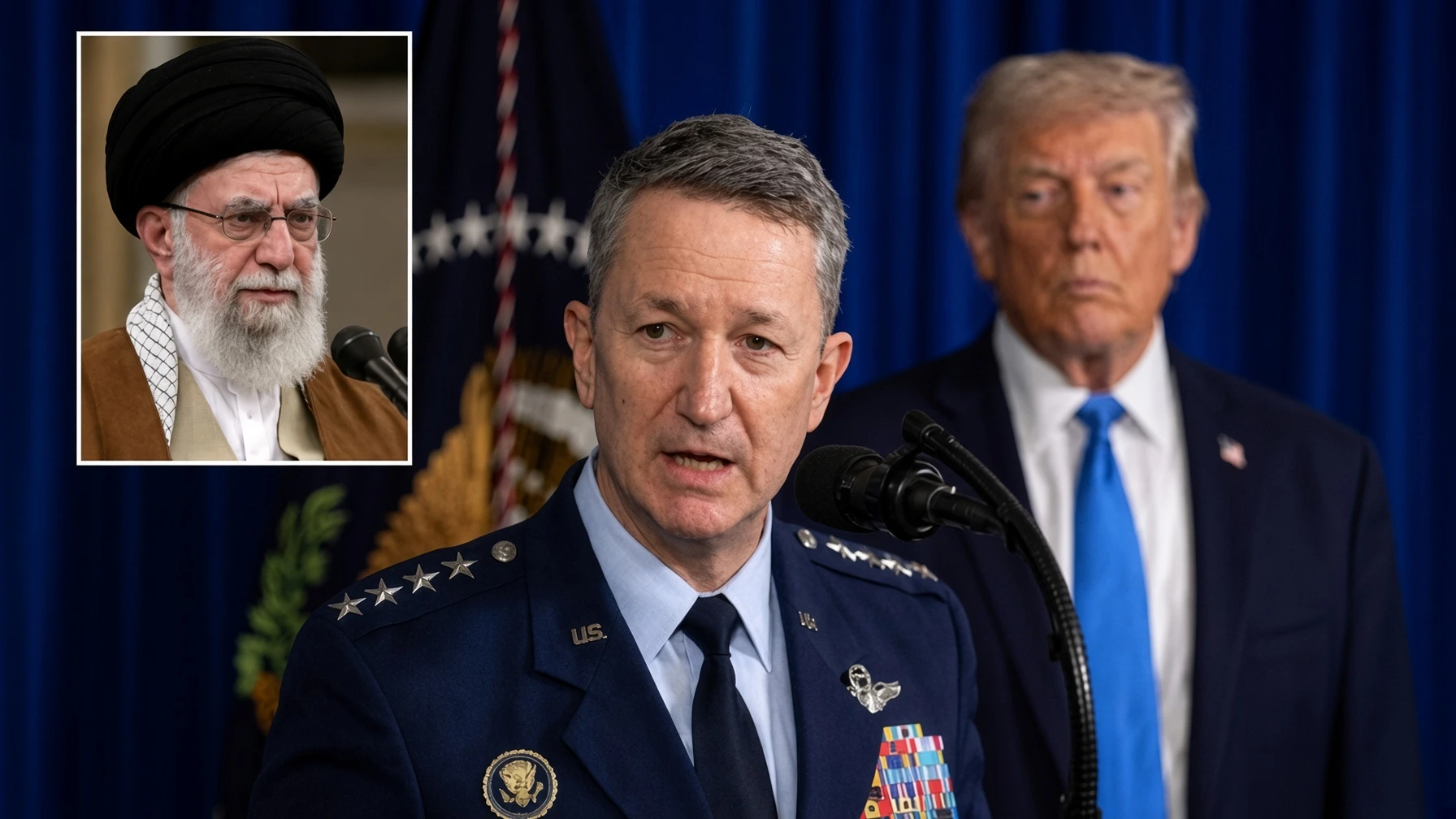
The Saudi involvement underscores a developing coalition approach to Iranian regional activities. Riyadh’s military participation alongside American forces reflects shared concerns about Iranian-directed proxy operations and their impact on regional security and economic interests. The coordinated nature of the response demonstrated operational interoperability between U.S. and Saudi military forces.
What This Means
The sequence of events on Tuesday—missile launch, interception, and immediate retaliatory strikes—establishes a clear response framework for future Iranian actions against American forces. Prior warnings had been issued regarding potential Iranian escalation, with explicit consequences outlined for various forms of attack. The Tuesday response validated those warnings through demonstrable military action.
The broader context involves Iran’s sustained effort to expand its influence across the Middle East through proxy forces and direct military capabilities. The Iranian ballistic missile program has been central to Tehran’s regional strategy, and Tuesday’s attack tested both American defensive capabilities and the credibility of stated consequences. The interception and subsequent strikes provided a concrete answer to that test.
The pattern emerging from these events suggests a regional dynamic in which Iranian provocations are met with swift, coordinated responses from American and allied forces. The involvement of Saudi Arabia as an active military participant, rather than merely a provider of basing or diplomatic support, indicates a formalization of security cooperation that may shape future interactions in the region.



