A federal appeals court has ruled 2-1 that key portions of the Pentagon’s restrictive transgender military policy violate equal protection guarantees, blocking the administration from discharging current transgender service members while leaving recruitment restrictions in place as the legal battle continues.
The three-judge panel of the U.S. Court of Appeals for the D.C. Circuit issued its decision Monday, addressing a policy implemented earlier this year through Executive Order 14183 and Pentagon implementing guidelines. The ruling directly protects the military service members named in the case while leaving broader restrictions on new recruits intact for now.
What Happened
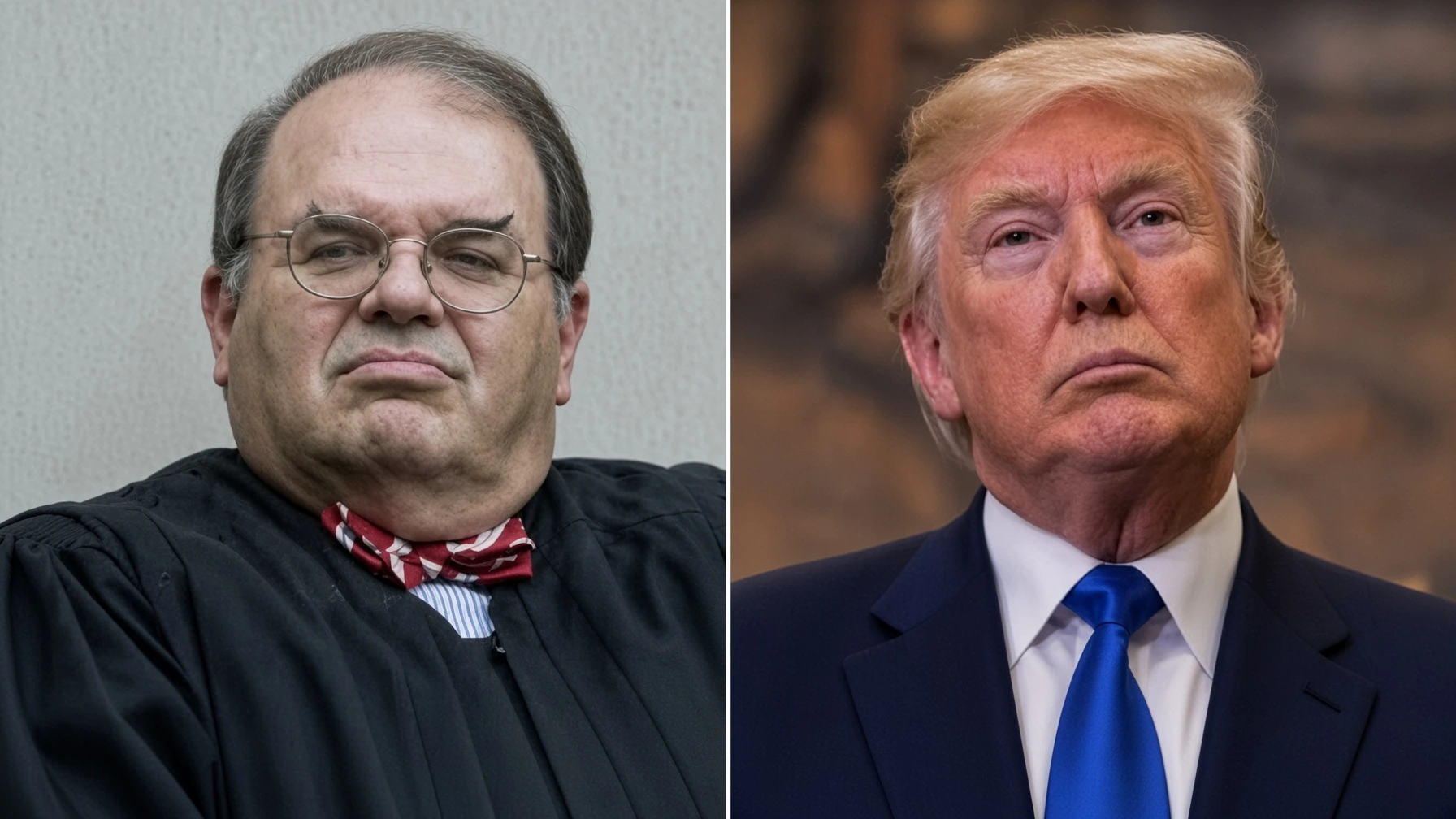
The majority opinion, written by Circuit Judge Robert L. Wilkins, found that the policy targeting service members with a history of gender dysphoria or transgender identity violated the Fifth Amendment’s equal protection guarantees. Wilkins wrote that the administration’s approach appeared to be “driven by the bare desire to harm a politically unpopular group” rather than justified by military readiness concerns.
The policy in question disqualifies most individuals with a gender dysphoria diagnosis or transgender identity from military service unless they obtain a rare waiver. The court determined that the administration had failed to provide evidence-based justification for the sweeping restrictions, noting that transgender troops had served openly and successfully under previous policies without demonstrable harm to unit cohesion or deployability.
The case, Talbott v. United States, was brought by active-duty transgender service members and aspiring recruits challenging the policy’s constitutionality. The plaintiff group argued that the restrictions arbitrarily strip them of their livelihoods and opportunities based on identity alone.
“Some of those disqualifications are completely unexplained and have no reasonable justification,” the majority decision stated, examining provisions that went beyond medical considerations into categorical exclusions.
The Reaction
The Department of War vigorously defended the policy, arguing it establishes necessary medical standards for military service. Government lawyers contended that judges should defer to executive and military leadership on fitness decisions, comparing exclusions to those applied to individuals with chronic medical conditions like diabetes or heart disease.
The dissenting judge on the panel argued the majority had overstepped its authority by second-guessing military commanders’ specialized judgment during a period of global tension. The dissent emphasized that military service standards are notoriously strict and that countless Americans are disqualified annually for various physical, psychological, and medical reasons.
Secretary of War Pete Hegseth, a vocal proponent of the restrictions, indicated the administration would pursue an appeal, potentially to the Supreme Court. Transgender advocacy groups including GLAD Law and the National Center for Lesbian Rights praised the ruling as a significant victory but acknowledged that the broader legal fight continues.
What This Means
The ruling’s immediate impact remains limited. Current transgender service members are protected from discharge, but the court left in place restrictions preventing most new transgender recruits from enlisting. This creates a split outcome in which existing personnel gain protection while barriers to future service members remain intact.
Legal observers expect the case will reach the Supreme Court as the administration challenges the D.C. Circuit’s decision. The broader dispute over military service standards and the scope of equal protection guarantees now appears destined for the nation’s highest court, where the ideological composition of the bench could determine the ultimate outcome of this contentious policy debate.