White House Press Secretary Karoline Leavitt defended the Trump administration’s restructured approach to presidential press access during a public forum, explaining the rationale behind new protocols governing journalist interactions with the president.
The remarks came as the administration implemented changes to decades-old procedures for how reporters gain access to the president and his senior staff. The shift marks a departure from customary White House press operations and reflects broader questions about the relationship between the executive branch and the news media.
What Happened
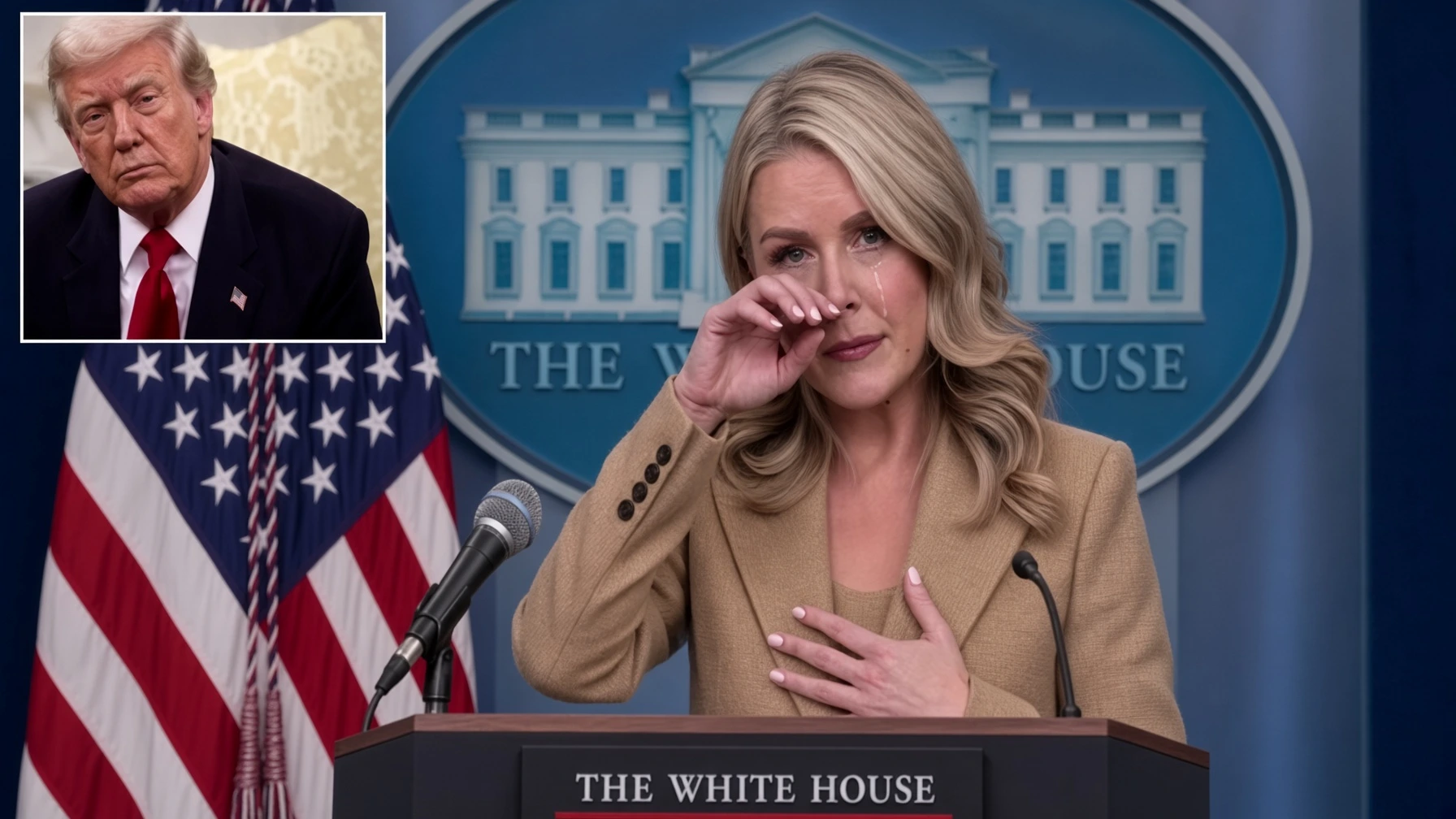
Leavitt outlined the administration’s position during an on-stage conversation, characterizing the changes as a modernization of press protocols. She emphasized that the administration remains committed to transparency while asserting its authority to determine how those interactions occur. “The president has the right to manage press access in a way that serves the American people,” Leavitt said during the event.
The overhaul affects multiple aspects of White House press operations, from physical access to the press briefing room to the scheduling of presidential interviews and photo opportunities. Officials indicated that decisions about media access would be made on a case-by-case basis, with preference given to outlets and journalists aligned with the administration’s priorities.
The Reaction
Press freedom advocates and major news organizations responded with concern to the announced changes. Representatives from media groups cited longstanding traditions of press access to the presidency as essential to democratic accountability and public information.
Some journalism organizations issued statements questioning whether the new restrictions would impede their ability to report on presidential decisions and actions. The changes have reignited debate about the balance between executive authority and press freedom, with legal experts citing both constitutional protections for journalism and presidential prerogatives over White House operations.
What This Means
The restructured press protocols represent one of the most significant alterations to White House media operations in recent decades. The changes could affect how reporters cover the presidency and shape the information available to the public about executive branch decisions.
Moving forward, news organizations will need to navigate the new access framework while maintaining their reporting responsibilities. The administration’s approach signals a willingness to reshape institutional norms around presidential transparency, with implications that extend beyond individual journalists to broader questions about how the executive branch communicates with the American public.



