The Strait of Hormuz, a critical chokepoint for global energy shipments, has emerged as the central pressure point in escalating U.S.-Iran confrontation, with military clashes and economic measures disrupting maritime commerce and complicating diplomatic efforts to resolve the broader dispute.
The waterway, through which roughly one-fifth of the world’s traded oil passes, has become increasingly volatile as the two countries employ military force, economic sanctions and control over shipping traffic as leverage. Commercial vessel traffic has plummeted to levels not seen since May, according to shipping data reviewed by international news organizations, reflecting the cumulative toll of months of heightened tensions.
Washington has prioritized securing reliable freedom of navigation through the strait, while Tehran has leveraged its geographic position to extract concessions and demonstrate resolve in the face of international pressure. The competing interests have created a stalemate that threatens to reshape regional stability and global energy supplies.
What Happened
Recent weeks have seen a dramatic reduction in maritime activity through the Strait of Hormuz, with average daily commercial traffic falling to its lowest point in months. Vessel attacks, military engagements and the threat of further confrontation have prompted shipping companies to reroute cargo or suspend operations entirely, according to available reporting.
Iran has experienced particularly acute disruptions to its crude exports. The country has gone approximately seven weeks without meaningful oil shipments through the strait, a consequence of both direct military pressure and the deterrent effect of ongoing confrontation. The blockade effect has severely constricted Iran’s access to foreign currency and hindered its ability to maintain normal import levels.
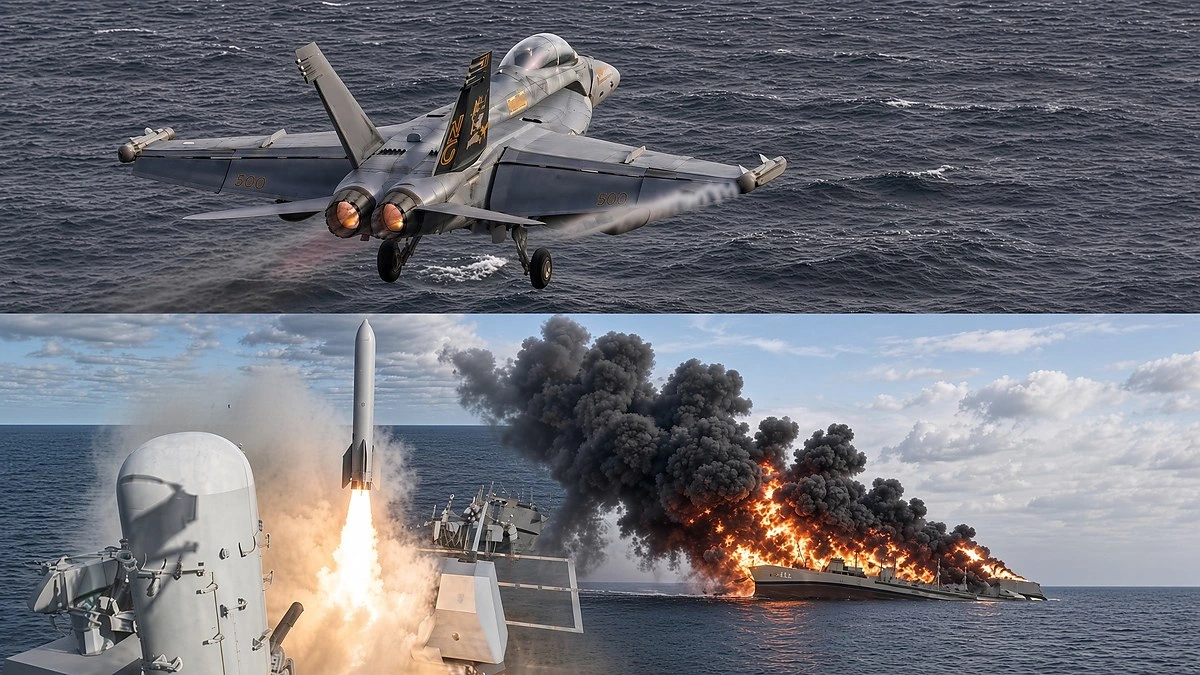
Meanwhile, U.S. military forces have conducted strikes against Iranian positions, while Iranian forces have responded with their own attacks. These incidents have involved both commercial shipping and military assets, raising legitimate safety concerns for international maritime operators navigating the region.
The Reaction
Diplomatic channels have remained open, but progress toward a comprehensive settlement has stalled. Energy Secretary Chris Wright indicated on Sunday that the possibility of a new nuclear agreement under current conditions appears remote, citing intransigence from both sides in ongoing negotiations.
Iran and Oman have pursued separate discussions aimed at managing shipping through the waterway more predictably, with international mediators exploring potential arrangements to stabilize maritime traffic. Those talks have produced no breakthrough to date.
The economic consequences have reverberated beyond the immediate region. Global energy markets have experienced increased volatility as traders price in the risk of further supply disruptions. Iranian officials and economic analysts have publicly acknowledged mounting internal pressures, including currency shortages, declining imports and inflationary pressures on domestic prices.
What This Means
The absence of a confirmed agreement between Washington and Tehran leaves core disputes unresolved: Iran’s nuclear program, the scope and reversibility of sanctions, maritime security protocols and the future of shipping arrangements through the strait. Any durable settlement would require difficult negotiations on each of these fronts, none of which shows signs of immediate movement.
As military and economic pressure persists alongside sporadic diplomatic engagement, the trajectory remains unclear. The continued dysfunction risks cascading effects across global commerce and geopolitical stability, with the Strait of Hormuz likely to remain a focal point of competition and confrontation for the foreseeable future.



