White House Press Secretary Karoline Leavitt defended the Trump administration’s restructured approach to presidential press access during a public conversation at a Washington media event, signaling the administration’s intent to reshape how journalists interact with top officials.
The remarks come as the White House implements new protocols governing press briefings, interview schedules, and media credentials. Officials have indicated the changes aim to streamline communications and alter the traditional dynamics between the executive branch and newsrooms.
What Happened
During the event with Axios co-founder Mike Allen, Leavitt outlined the administration’s rationale for altering press access arrangements that have governed White House communications for decades. The press secretary characterized the modifications as necessary adjustments to improve efficiency and ensure direct messaging reaches the public without intermediary framing.
The administration has implemented restrictions on certain press pool rotations, modified credential renewal procedures, and adjusted the frequency and format of on-camera briefings. Leavitt stated these steps reflect the president’s preference for direct communication with citizens through digital platforms and controlled media appearances.
The Reaction
Major news organizations have raised concerns about the access restrictions, arguing they limit journalists’ ability to question officials on policy decisions. Several media outlets filed formal objections to the new credentialing system, contending it violates principles of press freedom and public accountability.
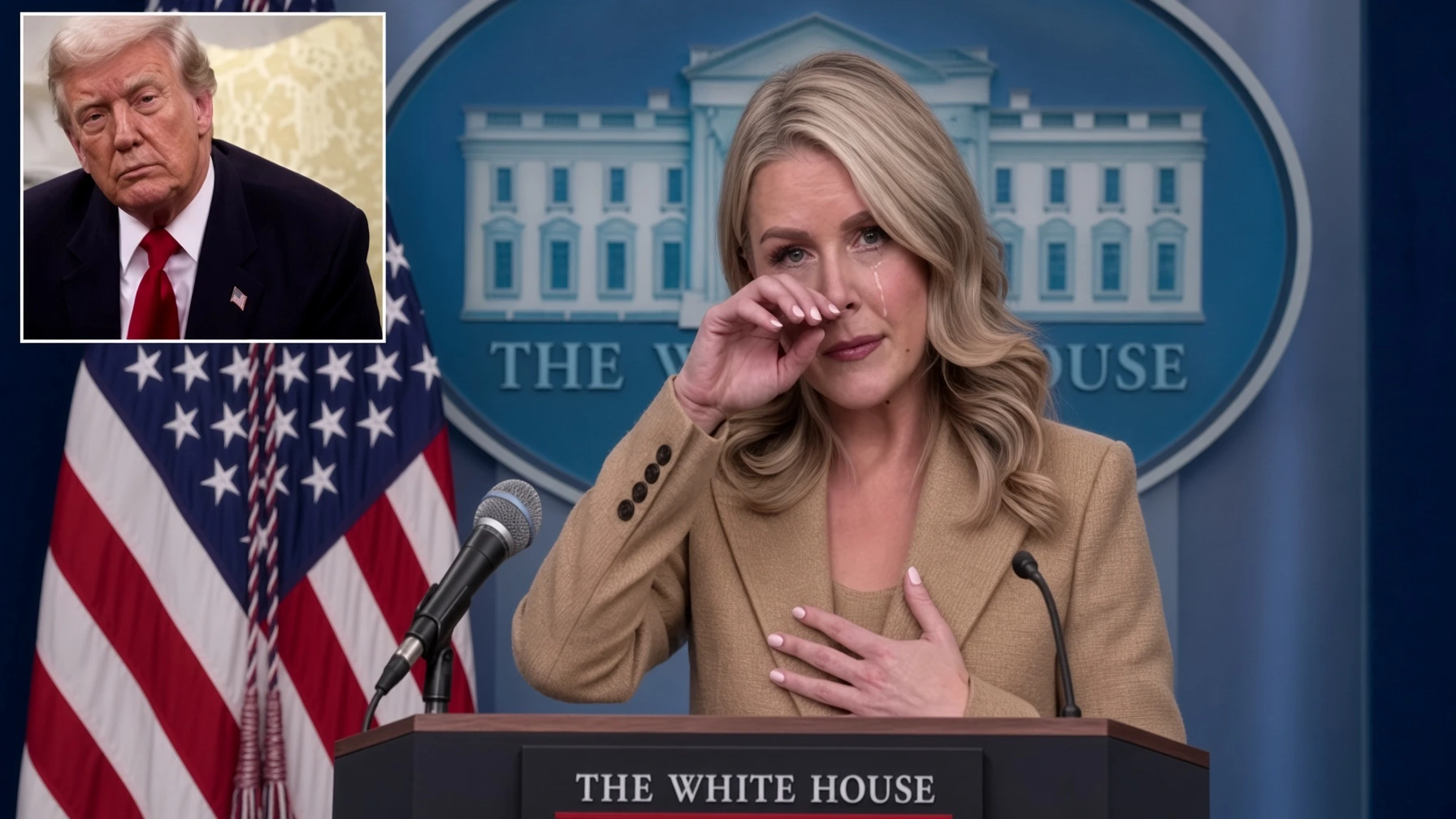
Industry groups representing journalists said the changes represent a departure from post-World War II precedents governing executive branch transparency. “Access to verify official statements remains fundamental to democratic oversight,” one media organization stated in response to the new protocols.
Leavitt countered that previous administrations faced similar complaints, noting that press access remains available through alternative channels. She emphasized that the restructuring does not eliminate journalists’ ability to report on administration activities, but rather changes the mechanisms through which that access occurs.
What This Means
The dispute over press access reflects broader questions about how executive communications function in an era of social media and direct-to-public messaging. The administration’s approach suggests officials believe traditional press briefings have become less relevant to modern political communication.
Legal scholars note that while presidents possess broad authority to manage White House operations, First Amendment jurisprudence has historically supported journalists’ right to access public officials in government settings. How courts would assess challenges to the current restrictions remains unclear, though advocacy groups have signaled potential litigation.
As these changes take effect, the relationship between the presidency and institutional media continues to evolve, raising questions about how democratic accountability functions when formal access channels undergo significant restructuring.



