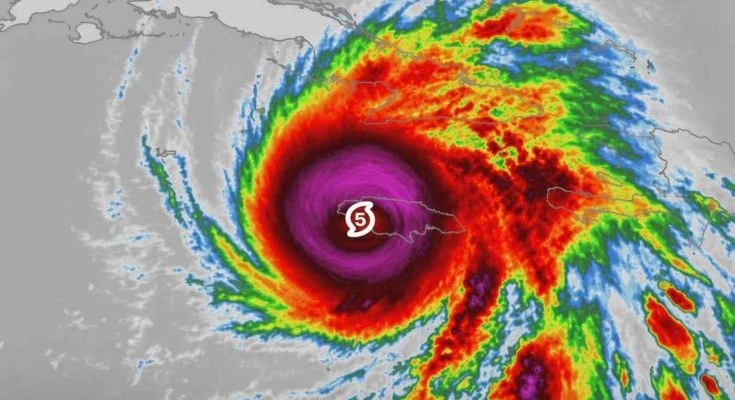
Hurricane Melissa made landfall near New Hope on Jamaica’s southwest coast on October 28, 2025, as a Category 5 storm with sustained winds of 185 mph, tying it among the strongest hurricane landfalls recorded in the Atlantic basin.
The storm’s arrival came with minimal warning for residents across the Caribbean island. Melissa’s rapid intensification in the days before landfall underscored how unpredictable Atlantic hurricane development can be during peak season, leaving limited time for evacuation and preparation efforts.
What Happened
Melissa struck the island with estimated sustained winds of 185 mph and a minimum central pressure of 892 millibars. Those measurements placed the storm in rare historical company for Atlantic hurricane landfalls.
The pressure reading of 892 mb matched the 1935 Labor Day Hurricane, which remains the lowest recorded central pressure at landfall in the Atlantic basin. By wind speed, Melissa equaled Hurricane Dorian in 2019, the most recent Category 5 to affect Jamaica directly with comparable intensity.
The storm brought destructive winds capable of uprooting trees and severely damaging structures across the island’s affected regions. Heavy rainfall accompanied the system, with storm surge adding to the immediate threats along Jamaica’s southwestern coastline.
The Reaction
Local authorities activated emergency protocols across Jamaica hours before the storm’s arrival. Emergency management agencies coordinated shelter operations and urged residents in vulnerable areas to move to reinforced facilities or inland locations away from coastal zones.
Regional meteorological services tracked Melissa’s movement throughout the final hours before impact. Neighboring Caribbean nations and the southeastern United States initiated preparedness measures as forecasters assessed the potential path the storm might take after leaving Jamaica.
What This Means
Melissa’s intensity reflects broader trends in Atlantic hurricane behavior during recent decades, with storms developing rapidly near warm ocean waters and reaching extreme strength before making landfall. The combination of 185 mph winds and historically low pressure creates compounding hazards for affected regions, requiring coordinated emergency response across multiple agencies and jurisdictions.
The storm’s classification as a Category 5 at landfall places it among a select group of hurricanes that have struck Atlantic basin islands and coasts with maximum sustained intensity. Recovery and rebuilding efforts typically require months or years following such events, with impacts extending to power systems, water supplies, and housing infrastructure across affected communities.



