Former President Barack Obama drew criticism Wednesday after comparing the demographic composition of Democratic and Republican lawmakers during remarks at a gathering of newly elected House Democrats in Washington.
Obama spoke at the Folger Shakespeare Library following the midterm elections, addressing incoming members of his party’s House caucus. The remarks centered on his observations from delivering eight State of the Union addresses, during which he said he noticed differences in how the two parties appeared on opposite sides of the House chamber.
What Happened
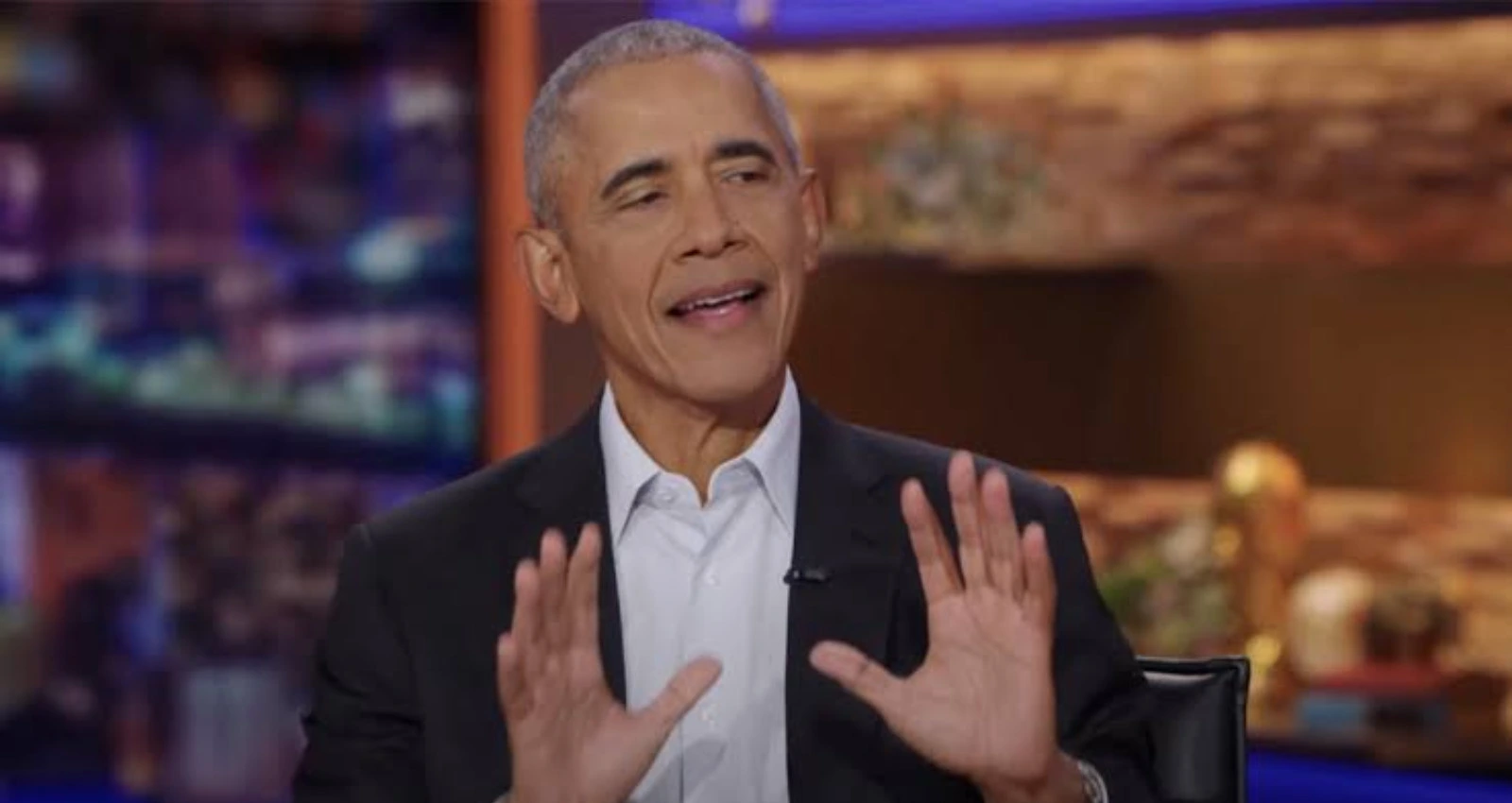
During his address, Obama recalled looking across the chamber during State of the Union speeches and observing what he characterized as a contrast between the two parties. “You know, one of the things that always struck me each time I did it — and I did eight of them, you go into the House chamber for the State of the Union, and on one side, just, like, everybody looked the same,” Obama said. “It’s like a golf country club on one side, and then you’ve got on the Democratic side, you just had America.”
The former president elaborated on what he meant by the Democratic representation, noting the range of backgrounds among the incoming class. “The diversity of this class is its power. And I don’t just mean ethnic diversity or racial diversity or religious diversity. It’s also regional diversity and ideological diversity,” he said.
Obama continued by emphasizing the importance of unity within that diversity, saying members should extend “grace to those inside your caucus that you don’t agree with 100% of the time” while still aligning on core values and direction.
The Reaction
The video of Obama’s remarks circulated widely following the event, drawing responses from political observers and conservative commentators. Critics argued that the characterization implied the Republican Party lacked diversity or did not represent the country broadly, noting that Republicans also include Americans from varied racial, ethnic, religious, geographic, and economic backgrounds.
Some noted that the comparison risked deepening partisan divisions rather than encouraging national unity. The remarks resonated particularly because they came during a period when both political parties have worked to broaden their coalitions and demonstrate inclusive representation.
What This Means
The video’s circulation reflected ongoing national conversations about representation, diversity, and how political parties frame themselves to voters. Obama’s comments became part of a broader discussion about whether partisan messaging that emphasizes differences between parties serves the goal of civic engagement or contributes to polarization.
The remarks also highlighted how former presidents’ public statements continue to generate attention and reaction years after leaving office. As political figures from both parties maintain active public roles, their words carry weight in shaping how voters and supporters perceive current political dynamics and party identities.



