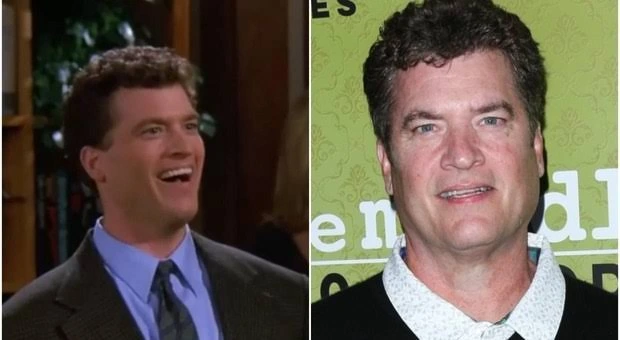
Pat Finn, a character actor known for recurring roles on major television comedies including The Middle, Friends, and Seinfeld, died at age 60, marking the loss of a performer whose career spanned four decades in Hollywood.
Finn built a reputation as one of television’s most reliable supporting players, appearing in guest and recurring roles across dozens of series. His career reflected a particular mastery of ensemble comedy, where he consistently made minor characters feel integral to the narrative rather than disposable.
What Happened
Finn’s ability to inhabit a character extended beyond mere performance—colleagues describe his work as a kind of immersion that made fictional worlds feel authentically lived-in. Whether executing precise comedic timing in a sitcom scene or grounding a dramatic moment with realism, he approached each role with the same level of commitment. His strength lay in a willingness to disappear into smaller parts, allowing the ensemble to function as a cohesive whole.
Throughout his career, Finn worked with some of television’s most accomplished actors and creators. Rather than seeking the spotlight, he functioned as the steady presence that made other performers shine brighter. Industry professionals who shared sets with him noted that his work ethic and understated professionalism set a standard for how supporting roles could be approached with dignity and seriousness.
The Reaction
Those who worked alongside Finn describe a man defined by quietude and integrity. Colleagues remember him as deeply private, devoted to his family, and consistently supportive of fellow cast and crew members. In an entertainment landscape increasingly measured by social media presence and public visibility, Finn’s legacy rests on a different foundation entirely—one built on kindness extended behind the scenes and professionalism demonstrated consistently on set.
His passing reflects a larger truth about the faces that populate beloved television programs. Audiences often assume the familiar performers in their favorite shows will remain constant, reliably delivering the moments that anchor evening routines and family viewing. When one of those familiar presences is lost, it underscores the human reality behind the screen and the mortality that connects viewers to the performers who entertain them.
What This Means
Finn’s body of work endures as a testament to the value of consistency and craft in supporting roles. His career demonstrates that lasting impact does not require top billing or headline-grabbing moments—it emerges instead from quiet dedication to the material and genuine concern for elevating those around you. As the television industry reflects on his contributions, the portrait that emerges is of a performer whose legacy was built on heart, honesty, and an unwavering commitment to the profession he served for nearly fifty years.



