Britain has coordinated the simultaneous surfacing of three nuclear-powered submarines as part of an expanding maritime security response to Russian naval movements in Atlantic waters, while continuing to deliver advanced cruise missiles to Ukrainian forces conducting strikes deep within Russian territory.
The coordinated operation reflects heightened tensions over Russian maritime activity near critical undersea infrastructure and signals a visible demonstration of NATO’s naval capabilities in the region. Intelligence assessments indicate more than 500 suspicious Russian vessel movements near undersea cables, with reports of Russian frigates equipped with advanced hypersonic missiles operating in disputed waters.
What Happened
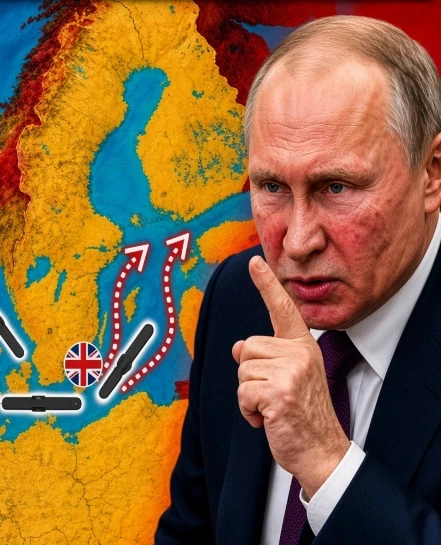
Britain’s Royal Navy deployed three Vanguard-class nuclear-powered ballistic missile submarines in coordinated surface operations, according to reports from defense analysts tracking the movements. The simultaneous emergence of these vessels in Atlantic waters represents an unusual show of deterrence designed to underscore NATO’s commitment to regional security.
The submarine deployment occurs as Britain continues delivering Storm Shadow cruise missiles to Ukrainian armed forces. These weapons systems have been used in strikes against Russian military installations located hundreds of miles inside Russian borders, targeting fuel depots, ammunition stores, and other strategic assets.
Britain is also preparing to supply up to 120,000 drones to assist Ukrainian defense efforts, expanding the range of military systems flowing into the conflict zone. These additions complement existing British weapons supplies and represent a substantial commitment to Kyiv’s capability to resist Russian military operations.
The Reaction
The submarine operations and weapons deliveries are part of a broader British strategy involving an artificial intelligence-supported surveillance network spanning ten allied navies. The initiative incorporates autonomous systems including Kraken drone boats designed to monitor threats to undersea cables and shipping routes in the Atlantic.
Britain has intensified efforts to intercept and board vessels suspected of operating as part of Russia’s shadow fleet, targeting ships used to circumvent international sanctions on Russian oil exports. These boarding operations aim to disrupt Russian revenue streams from energy sales, though their legal scope varies depending on maritime jurisdiction and vessel registration.
The undersea cable network carrying the vast majority of global data traffic represents critical infrastructure for financial systems and international communications. Recent Russian military operations and intelligence assessments suggesting potential threats to these cables have prompted NATO nations to invest in both protective measures and enhanced surveillance capabilities.
What This Means
The reported submarine deployment and expanded naval surveillance demonstrate how modern maritime strategy has evolved beyond traditional naval operations. The coordination across submarine forces, drone networks, weapons supply chains, and sanctions enforcement reflects the interconnected nature of contemporary security challenges in the Atlantic region.
Britain’s multidimensional approach attempts to balance several objectives simultaneously: deterring further Russian aggression, protecting critical infrastructure from hybrid threats, enforcing international sanctions, and supporting an allied nation under military attack. The visibility of these coordinated operations carries both operational and symbolic significance for alliance cohesion and deterrence messaging.
As Russian maritime activity continues to draw scrutiny from NATO allies, the alliance faces ongoing challenges in responding to hybrid threats that blend conventional military operations with infrastructure vulnerabilities and sanctions circumvention. The effectiveness of Britain’s current approach will likely shape how allied nations structure future maritime security operations in strategically vital regions.



