Secretary of State Marco Rubio said Tuesday that talks underway in Qatar between American and Iranian officials have produced some movement toward resolving the ongoing conflict, though he cautioned that a final agreement is still several days away and that President Trump remains prepared to walk away from negotiations if terms do not meet his standards.
The comments came as dozens of U.S. military aircraft and Navy warships, including two aircraft carriers, maintained their operational posture in the Persian Gulf region. Iranian officials acknowledged that negotiators have reached preliminary understandings on many disputed issues, but similarly signaled that announcing a comprehensive deal would be premature.
What Happened
“There were some talks going on in Qatar today, so we’ll see if we can make progress,” Rubio said. “I think it’s a lot of talking back and forth going on about specific language in the initial document, so it’ll take a few days. The president expressed his desire to make it. He’s either going to make a good deal or no deal.” The secretary’s remarks indicated that negotiators remain focused on resolving technical language rather than conceptual disagreements.
Iran’s foreign ministry spokesman Esmaeil Baqaei provided a parallel assessment during a weekly briefing, stating that diplomats have narrowed disagreements substantially. “It is correct to say that we have reached a conclusion on a large portion of the issues under discussion,” Baqaei said. “But to say that this means the signing of an agreement is imminent—no one can make such a claim.” He added that Iran had observed what he characterized as shifting American positions during the discussions.
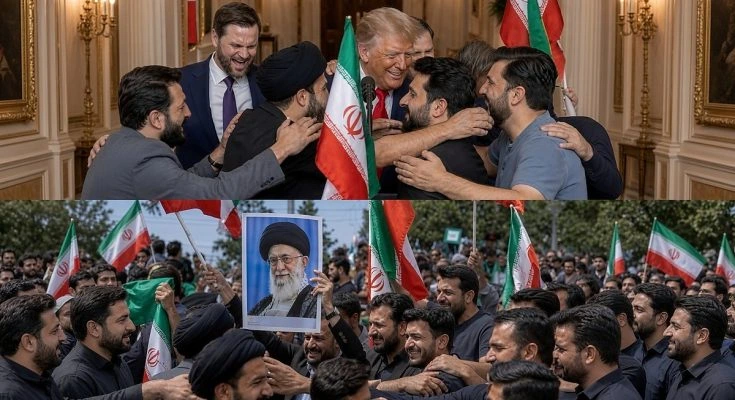
The Reaction
Military developments have paralleled the diplomatic track. A senior U.S. military official disclosed that American naval and air assets operating in the Arabian Sea and Gulf of Oman encountered Iranian surface-to-air missile threats. The American force presence, which includes nearly two dozen Navy warships alongside fighter squadrons, has maintained a blockade of Iranian ports as enforcement of economic sanctions.
Skirmishes between American and Iranian forces have occurred periodically since an informal cease-fire took hold approximately six weeks earlier. The timing of Monday’s missile threats, coinciding with the Qatar negotiations, suggested Tehran was using military signaling alongside diplomatic channels. U.S. officials familiar with the discussions said Iran appeared more flexible regarding potential concessions than in previous phases of the standoff.
What This Means
A final agreement would require Iran to reopen the Strait of Hormuz, one of the world’s most critical shipping passages, in exchange for American withdrawal of its naval blockade. Any accord would also involve Iranian commitments regarding its nuclear program, though the specifics remain under negotiation. Administration officials indicated satisfaction with the trajectory of talks, even as both sides continued refining contractual language.
The convergence of military pressure and diplomatic engagement reflects Washington’s approach to the negotiations, combining economic coercion with direct talks to encourage Iranian compliance. How quickly negotiators can resolve remaining technical disputes will determine whether a framework agreement emerges within the coming weeks or whether the impasse extends further into the year.



