President Donald Trump on Sunday threatened to escalate military operations targeting Iran’s energy infrastructure if the regime does not agree to a peace deal soon, while simultaneously suggesting negotiations are advancing toward resolution.
Trump’s warning on Truth Social marked an intensification of rhetoric even as his administration signals active diplomatic channels with Tehran. The president said the United States is in “serious discussions with A NEW, AND MORE REASONABLE, REGIME to end our Military Operations in Iran,” indicating a shift in Iran’s governing structure has changed the negotiation landscape.
What Happened
Trump detailed specific infrastructure targets if negotiations stall, stating the U.S. would “completely obliterate all of their Electric Generating Plants, Oil Wells and Kharg Island (and possibly all desalinization plants!)” in response to what he characterized as Iran’s historical actions against American personnel. He framed the threatened strikes as retaliation for Iranian actions over the past 47 years, linking military retaliation to longstanding grievances rather than immediate provocation.
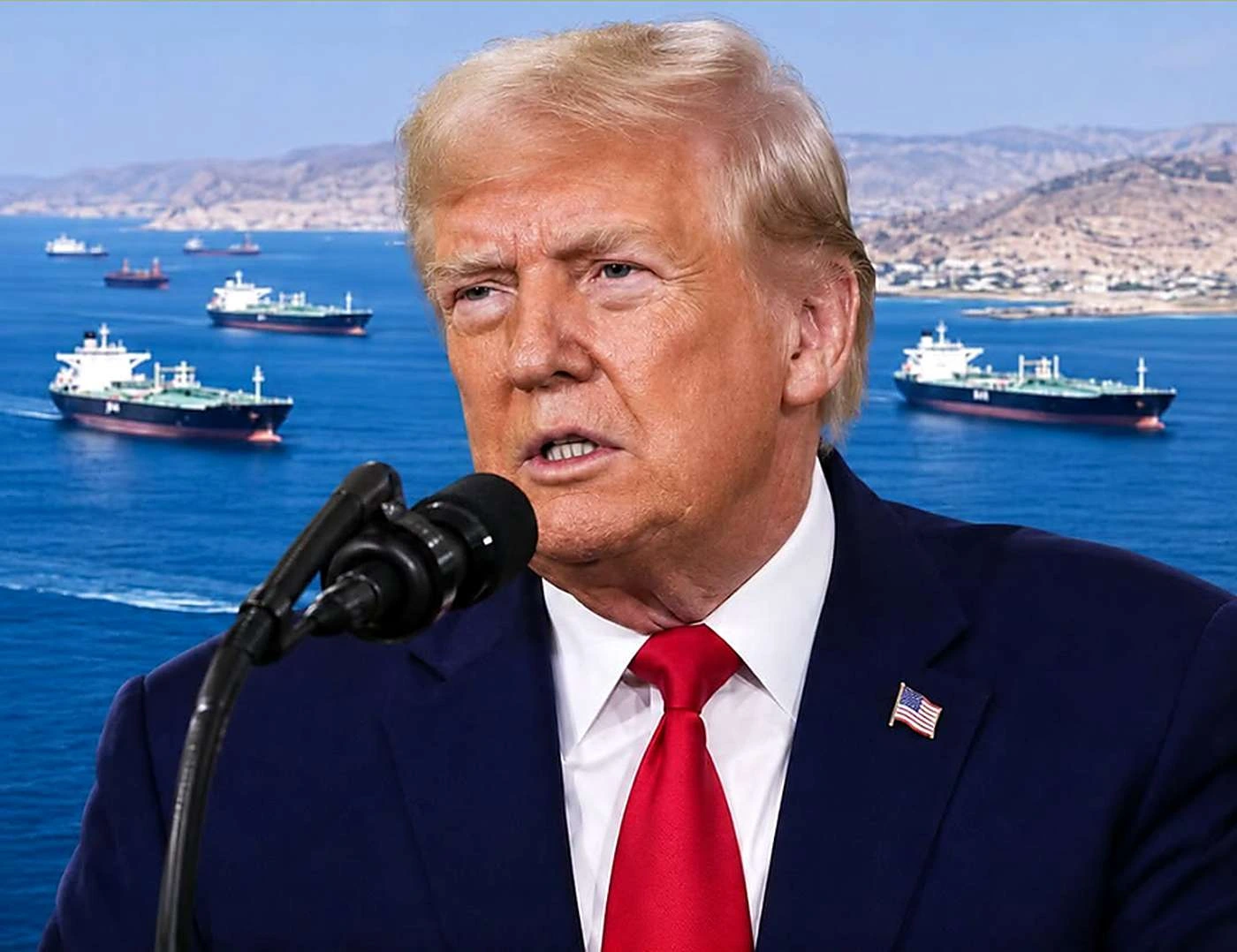
The president also issued a demand regarding the Strait of Hormuz, one of the world’s most critical energy shipping routes. He stated the waterway must be “immediately ‘Open for Business'” as a condition for avoiding the threatened infrastructure strikes.
The Reaction
Secretary of State Marco Rubio provided a more measured assessment of the military timeline during Friday remarks in France. Following meetings with Group of Seven foreign ministers, Rubio said U.S. operations in Iran are on track to conclude “within weeks” rather than the originally projected four-to-seven-week window, suggesting objectives are being met ahead of schedule.
Rubio indicated ongoing communication with Iranian officials but expressed uncertainty about representation in formal talks. “We’ve had an exchange of messages and indications from the Iranian system about a willingness to talk about certain things,” he said, while noting the administration is “waiting for further clarification about who it is that we would be talking to, what we would be talking about, and when we will be talking.”
Special envoy Steve Witkoff said the administration has placed a 15-point proposal before Iran and expressed optimism about imminent negotiations. “We have a 15-point deal on the table that the Iranians have had for a bit of time,” he said. “We expect an answer from them and it would solve it all.”
What This Means
The military conflict, which began February 28 with joint U.S. and Israeli operations, has fundamentally altered Iran’s power structure and regional balance. Several senior Iranian leaders have been killed during the campaign, while Iranian officials have accused Israel of targeting nuclear and industrial facilities including major steel plants.
Iran’s Islamic Revolutionary Guard Corps has responded with threats of its own, warning of potential retaliation targeting infrastructure tied to the U.S. and Israel across the region. The standoff now centers on the Strait of Hormuz, through which approximately 20 percent of the world’s oil and liquefied natural gas transits annually—making control of the waterway a central negotiating point.
Iran has reportedly begun charging certain vessels for safe passage and Iranian lawmakers are considering legislation to formalize restrictions on the strait. These actions raise stakes for a resolution that addresses both military operations and the critical shipping corridor’s status in any broader regional agreement.
The compressed timeline Rubio described suggests the administration views the current window as pivotal for securing terms before operations conclude. Whether the 15-point proposal addresses the full scope of regional tensions—from nuclear concerns to maritime access—remains unclear, but the intensity of Trump’s warnings indicates little patience for prolonged negotiations beyond the coming weeks.



