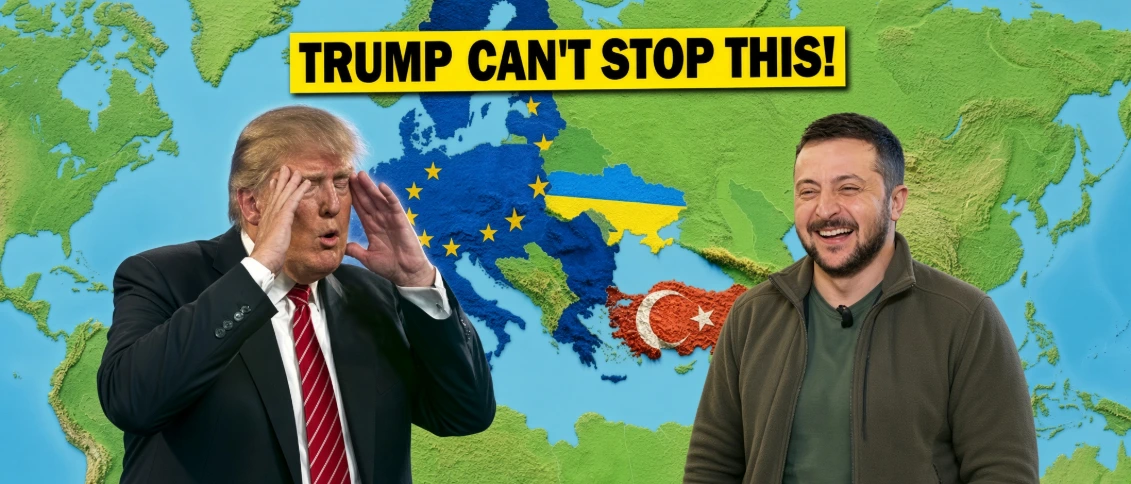
Diplomatic tensions surrounding the Russia-Ukraine conflict are intensifying as President Donald Trump faces mounting pressure from Moscow, Kyiv, and Western capitals over how to end the war, with Ukraine resisting territorial concessions while Russia demands recognition of occupied land.
The push for a negotiated settlement has collided with fundamental disagreements on core issues. While international actors urge movement toward talks, Moscow and Kyiv remain far apart on what a resolution would require—from security guarantees to the status of contested territory to sanctions relief.
What Happened
Trump’s engagement with the Ukraine conflict has become a central point of diplomatic activity, drawing competing appeals from multiple directions. Officials from Kyiv have emphasized their refusal to abandon territory or accept security arrangements that leave them vulnerable to future Russian military action. At the same time, Moscow has signaled that any ceasefire must acknowledge its control over regions it currently occupies in eastern and southern Ukraine.
Ukrainian officials argue that yielding territory or accepting weak security commitments would set a precedent for further Russian demands and leave the country exposed to renewed conflict. Kyiv has also emphasized its dependence on continued Western military and financial support as leverage in any negotiation. The position reflects deep wariness about historical patterns of Russian aggression and broken agreements.
Russia’s negotiating position centers on consolidating control over territory currently held by its forces and establishing security arrangements that Moscow views as protective of its interests. These positions have created a structural impasse: neither side appears willing to move substantially from its opening demands without significant concessions from the other.
The Reaction
The competing pressures on Trump reflect the stakes different actors see in the outcome. European governments worry about being sidelined in talks while also concerned about security commitments they might inherit if the United States withdraws support. Ukrainian leadership faces domestic political pressure not to surrender gains or sovereignty. Moscow has indicated it will not negotiate on terms it considers unacceptable, further narrowing the diplomatic space.
The challenge extends beyond immediate ceasefire terms. Any lasting settlement would need to address long-term security guarantees, the future of sanctions regimes, and mechanisms to prevent renewed conflict—issues where the parties hold fundamentally different views. A simple pause in fighting without resolving these deeper questions risks becoming temporary rather than durable.
What This Means
The deadlock suggests that diplomatic momentum alone is unlikely to produce agreement in the near term. Military developments on the ground continue to shape each side’s willingness to negotiate, meaning the trajectory of fighting may ultimately determine whether conditions exist for meaningful talks. The pressure on Trump reflects the reality that no single actor—whether Washington, Moscow, or Kyiv—can impose a solution unilaterally.
Moving forward, any breakthrough would likely require either significant shifts in military circumstances that change negotiating positions, or intermediaries capable of presenting new frameworks that address core security concerns for both sides. The current standoff reflects how deeply incompatible the starting positions remain and underscores the difficulty of translating calls for peace into concrete diplomatic progress when the underlying disputes remain unresolved.



