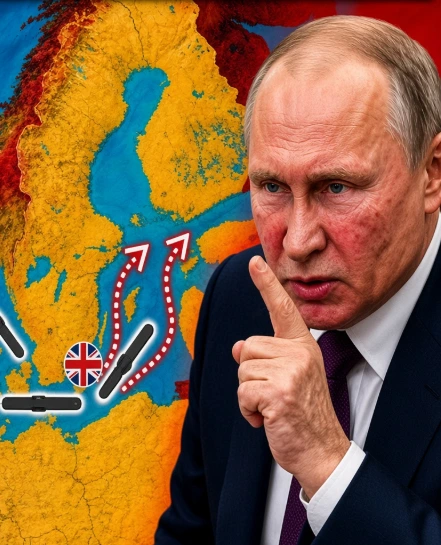
Britain is reportedly coordinating a multifaceted maritime response involving the simultaneous surfacing of three nuclear submarines, enhanced undersea infrastructure protection, and intensified military support for Ukraine as tensions escalate over Russian naval activity in Atlantic waters.
The coordinated operations reflect London’s growing focus on maritime security across multiple fronts—from protecting critical undersea cables to enforcing sanctions on Russian energy exports. Intelligence assessments indicate more than 500 suspicious Russian vessel movements near undersea infrastructure, alongside reports of a Russian frigate equipped with advanced hypersonic missiles operating in the region.
What Happened
Britain’s Royal Navy reportedly deployed three Vanguard-class nuclear-powered ballistic missile submarines in coordinated surface operations, according to available reports. The simultaneous emergence of these vessels signals a visible show of deterrence capability in waters where Russian maritime activity has drawn increased scrutiny from NATO and allied nations.
The submarine operations occur alongside continued delivery of Storm Shadow cruise missiles to Ukrainian forces and reports that Britain plans to supply up to 120,000 drones to assist Kyiv’s defense efforts. These weapons systems have been used extensively in strikes against Russian military infrastructure deep within Russian territory.
Britain is also moving forward with an artificial intelligence-supported Atlantic surveillance network involving ten allied navies. The initiative incorporates autonomous systems including Kraken drone boats designed to monitor threats to undersea cables and commercial shipping routes. The undersea cable network carries the vast majority of global data traffic and represents critical infrastructure for financial systems and communications.
The Reaction
British efforts to intercept and board vessels suspected of operating as part of Russia’s shadow fleet have intensified as part of broader sanctions enforcement. These operations aim to disrupt Russian oil export revenues, though their legal and operational scope varies by jurisdiction and circumstance.
The reported submarine deployment and expanded naval surveillance carry symbolic and operational weight. They underscore NATO’s commitment to Atlantic security while signaling resolve to Russia regarding the alliance’s capability to monitor and respond to maritime threats. Officials have emphasized that these measures are designed to deter further Russian aggression without initiating direct military engagement between the powers.
What This Means
Britain’s multidimensional approach reflects the complexity of modern maritime security challenges—balancing deterrence operations, infrastructure protection, sanctions enforcement, and support for an allied nation under attack. The coordination across submarine operations, drone surveillance networks, and weapons supply chains demonstrates how naval strategy now extends beyond traditional surface and subsurface operations into cyber and information domains.
The initiatives also highlight vulnerabilities in global undersea infrastructure that have become increasingly prominent in NATO planning. As tensions persist over Russian naval movements and hybrid threats to undersea cables, alliance nations are investing in resilience measures alongside conventional deterrence. Whether these coordinated efforts achieve their intended strategic effect depends partly on how Russia responds to the heightened visibility of allied maritime capabilities in the Atlantic.



