Armenia’s relationship with Russia, traditionally defined by military and economic partnerships, faces new pressures as the Ukraine war alters security dynamics across the South Caucasus and potentially reshapes Yerevan’s strategic calculations.
Armenia has maintained close ties with Moscow for decades, anchored in a 1992 military alliance and Russian military presence in the country. The ongoing conflict in Ukraine has created new pressure points for nations historically aligned with the Kremlin, forcing governments across Eastern Europe and the Caucasus to reconsider their foreign policy positioning.
What Happened
The nature of any specific Armenian action remains unclear without detailed reporting. Armenia’s government has historically balanced its security relationship with Russia—anchored in the Collective Security Treaty Organization—against growing economic and diplomatic ties with Western nations. The country’s experience with regional conflicts, particularly tensions with Azerbaijan, has traditionally made Russian security guarantees a central pillar of Yerevan’s strategic doctrine.
Recent shifts in Armenian policy, if they have occurred, would reflect broader changes in how smaller nations near Russia assess their security interests in a post-Ukraine war environment. Any meaningful realignment of Armenian foreign policy would likely involve diplomatic initiatives, changes to military cooperation agreements, or statements clarifying the country’s position on Russian military actions.
The Reaction
Russia has historically responded to perceived moves away from its sphere of influence with economic pressure, diplomatic statements, or in some cases, military deployment. The Kremlin has consistently portrayed former Soviet republics’ Western alignments as threats to Russian security.
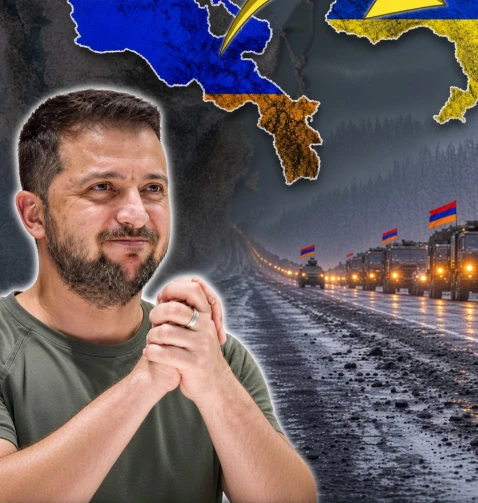
Armenia’s Western partners, including the European Union and United States, have signaled openness to strengthening ties with nations seeking to distance themselves from Russian influence. Such engagement typically involves trade negotiations, defense cooperation agreements, or statements of political support.
What This Means
Any substantive shift in Armenian policy toward Russia could reshape the regional balance of power in the South Caucasus. The region remains volatile, with unresolved tensions between Armenia and Azerbaijan and ongoing questions about territorial disputes. Russia’s military presence and security guarantees have been central to Armenia’s national security calculations.
A pivot away from Russian alignment would signal broader erosion of Moscow’s influence among former Soviet republics, potentially affecting Russia’s military capabilities in the region and its ability to project power beyond its borders. For Armenia, such a move would involve significant strategic risks and benefits, requiring clear assessments of alternative security partnerships and economic opportunities.
The long-term implications of Armenian-Russian relations remain fluid. How Yerevan navigates its security interests while maintaining European and American engagement will likely influence whether other post-Soviet nations follow similar strategic reorientation paths in the coming years.



