White House Press Secretary Karoline Leavitt publicly defended the Trump administration’s restructuring of how journalists access the president during an on-stage discussion with Axios co-founder Mike Allen on Monday, citing operational efficiency and security concerns as driving factors behind the policy shift.
The exchange marked one of the administration’s most direct public explanations for the access changes since implementation, occurring against a backdrop of media organizations and press freedom advocates questioning the new protocols. The modifications have fundamentally altered the traditional framework governing journalist-president interactions that have been in place for decades.
What Happened
Leavitt took the stage alongside Allen to discuss the administration’s approach to media relations and presidential access. She articulated the White House’s position that the restructured system enhances security measures while maintaining transparent communication channels with the press. The Press Secretary emphasized that the changes represent a modernization effort rather than a restriction, framing the adjustments as necessary adaptations to contemporary governance demands.
According to Leavitt, the administration consulted with various stakeholders before implementing the new protocols. She noted that the revised framework addresses concerns about efficiency, crowd management in briefing spaces, and physical security protocols surrounding the president. The Press Secretary indicated these considerations informed each element of the policy redesign.
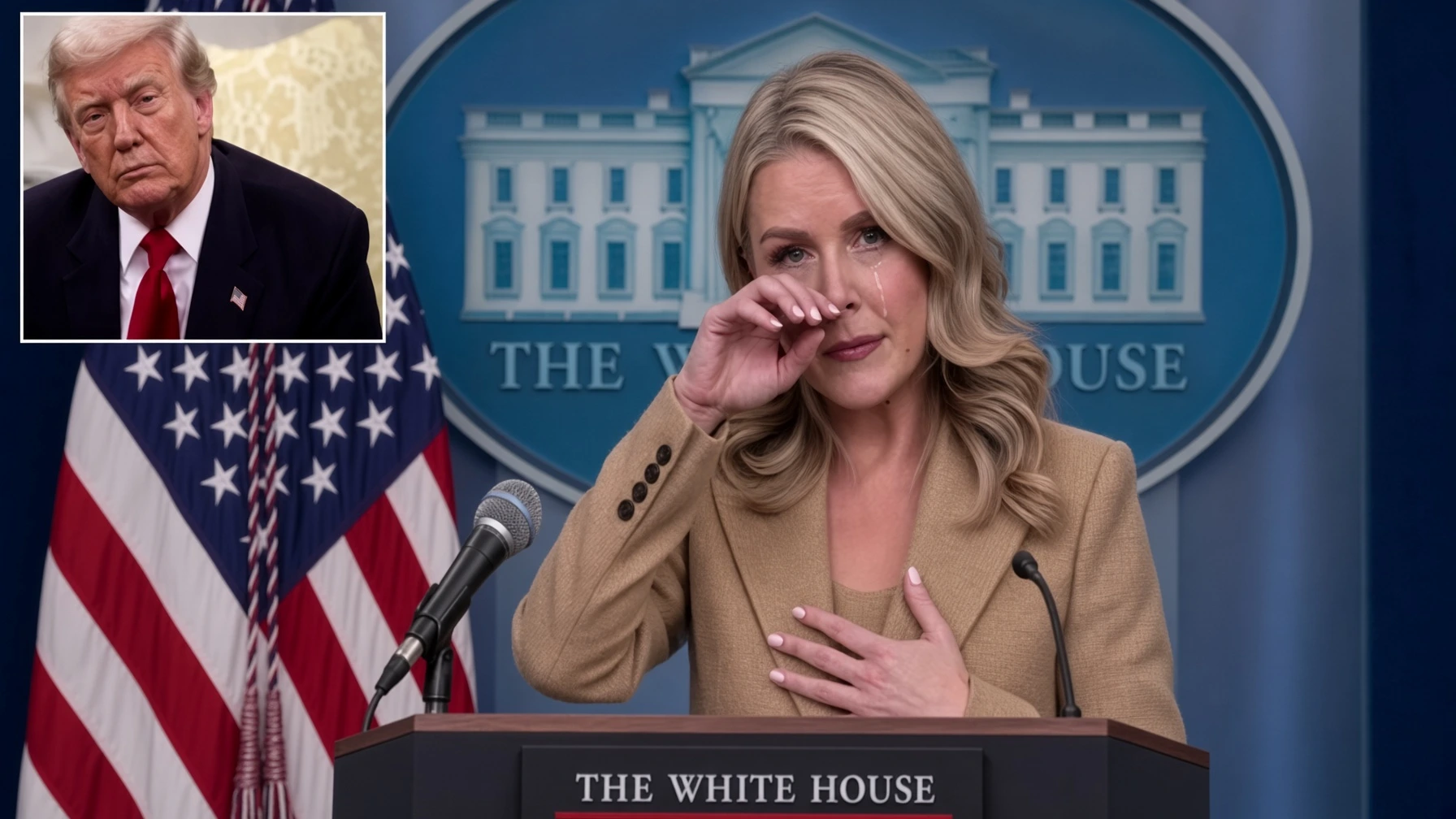
The Reaction
Media organizations have responded with mixed assessments to the policy rollout. Some outlets have raised concerns about potential limitations on access to presidential events and statements. Press freedom organizations have monitored the implementation closely, noting the historical significance of unrestricted journalist presence at presidential proceedings.
The administration maintains that alternative access pathways remain available, including written submissions, video briefings, and scheduled press conferences. Leavitt suggested that these alternatives provide comprehensive coverage opportunities while allowing the White House to manage logistics more effectively. She characterized the changes as pragmatic rather than punitive toward the media establishment.
What This Means
The policy represents a significant departure from established norms governing White House-press relations. Going forward, the interaction between the executive branch and media institutions will operate under this new framework, potentially influencing how presidential activities are documented and reported. The long-term effects of these changes will likely shape media strategy across the administration’s tenure and may establish precedents for future administrations regarding press access protocols.



