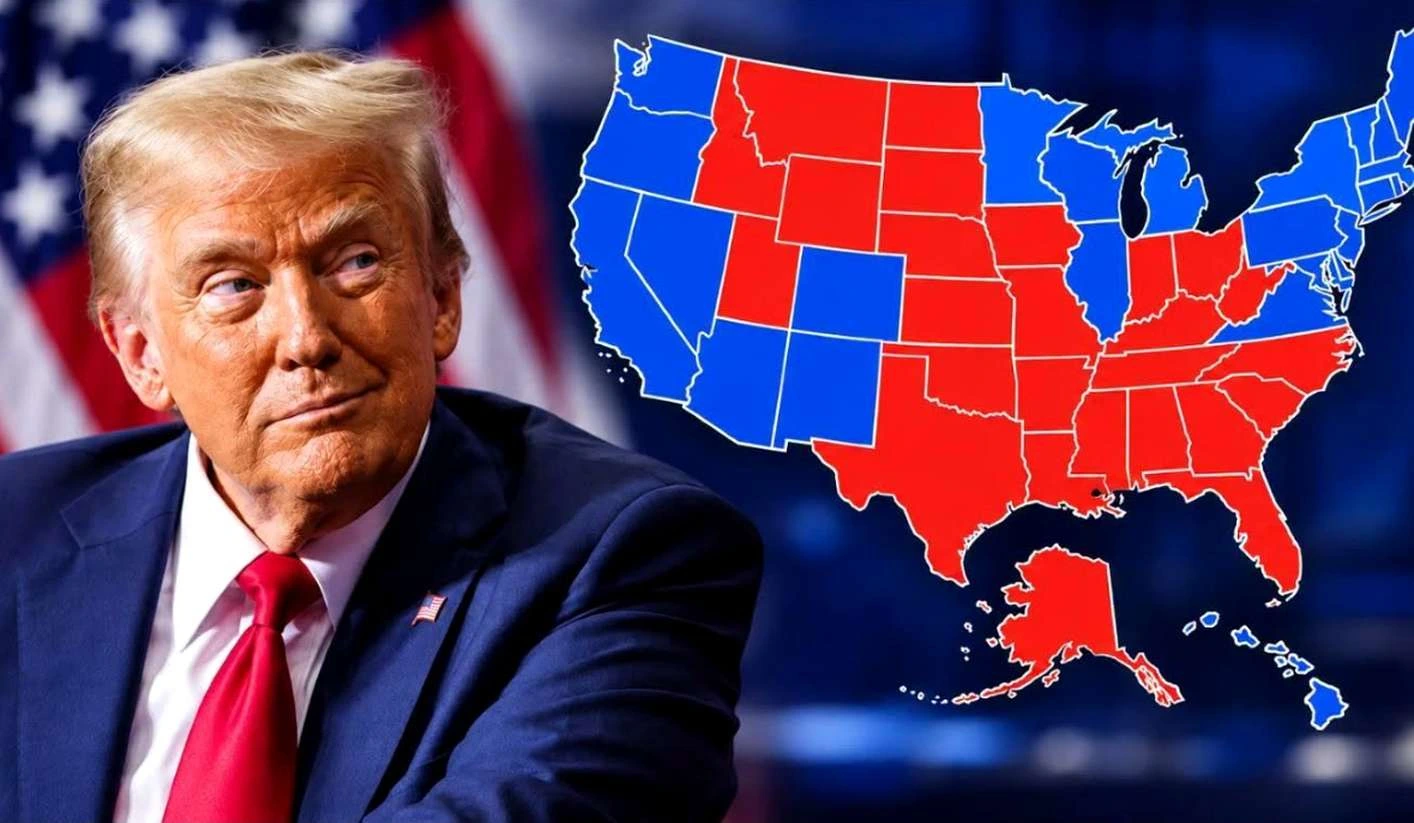
Republican candidates in competitive Senate contests have opened narrow polling leads over their Democratic opponents in Texas, Kansas, Iowa, Michigan, and Ohio, reshaping the landscape for chamber control just ahead of the midterm elections.
The shift underscores how volatile these races remain, with individual polls often diverging on which candidate leads. Control of the Senate hinges on performance in these handful of states, where Republicans currently hold the chamber 53-47.
What Happened
An InsiderAdvantage survey conducted October 13-14 found Republican Ken Paxton leading Democrat James Talarico 49% to 48% among 1,200 likely voters in Texas, a result that marked a reversal from earlier surveys. However, the RealClearPolitics average still shows Talarico ahead by more than 2 points, and a CBS News poll released shortly after found the Democrat leading 51% to 49%, illustrating the divergence between different surveys on the same race.
In Kansas, the latest InsiderAdvantage survey showed incumbent Republican Senator Roger Marshall ahead of Democrat Adam Hamilton 48% to 47%, placing Marshall narrowly ahead in the RealClearPolitics average after earlier polls had alternated between the two candidates. Kansas has not elected a Democratic senator in more than nine decades, making the competitiveness of this race one of the more notable surprises of the 2026 campaign. President Donald Trump visited Kansas on Monday to campaign for Marshall.
Michigan polling from The Tyson Group showed Republican Mike Rogers leading Democrat Abdul El-Sayed 46% to 44%, with Rogers gaining three points from an earlier September survey. In Iowa, multiple recent surveys show Republican Representative Ashley Hinson narrowly ahead of Democrat Josh Turek, with a co/efficient poll from October 19 placing Hinson ahead 48% to 45% and a Trafalgar Group survey showing her ahead 45.9% to 44.2%.
The Reaction
The polling results have energized Republican strategists pointing to the data as evidence their candidates can hold or expand their Senate majority. Fox News anchor Bret Baier noted Sunday that Republicans could finish with a 52-48 Senate majority if GOP candidates outperform current polling averages by margins similar to polling misses documented in previous election cycles.
Democratic operatives have countered that individual polls showing Republican leads often contradict aggregate averages that continue to show competitive or Democratic-favorable races. In Ohio, for instance, Rasmussen Reports recently found incumbent GOP Senator Jon Husted leading former Democratic Senator Sherrod Brown 49% to 47%, yet the RealClearPolitics average has Brown leading 47.4% to 44.6%.
In Maine, Democratic candidate Troy Jackson holds narrow advantages in several recent polls, though Republican Senator Susan Collins remains within striking distance. InsiderAdvantage, Suffolk University, and Rasmussen each recently found Jackson ahead 49% to 47%, while the RealClearPolitics average has Jackson leading by only 1.6 points.
What This Means
The tight polling across multiple states suggests the Senate outcome will depend on which candidates outperform or underperform their final surveys. Small shifts in voter preference or turnout patterns could determine whether Republicans expand their majority, maintain current control, or cede the chamber to Democrats.
The volatility evident in competing polls—with different firms sometimes producing opposite findings in the same race—underscores the challenge of predicting outcomes in an electorate that remains fluid heading into the final stretch before election day.



